
Shifting Competitive Landscape in the Global Heat Pump Industry: Consolidation, Differentiation, and Global Expansion
As the global heat pump market continues to expand under the influence of energy transition policies and growing demand for efficient heating solutions, the competitive landscape of the industry is undergoing significant transformation. In 2026, market competition is no longer defined solely by product performance, but increasingly shaped by scale, technology, branding, and global market strategies.
Market Concentration Increasing with Global Leaders Dominating
The global heat pump and broader HVAC market is currently led by several multinational corporations with strong technological capabilities and global distribution networks. Companies such as Daikin, Mitsubishi Electric, Carrier, and Bosch have established dominant positions across key regions including Europe, North America, and Asia. (Fact.MR)
In terms of market share, leading manufacturers such as Daikin, Gree, and Midea collectively account for a significant portion of global revenue, supported by their large-scale manufacturing capacity and continuous investment in innovation. (The Chill Brothers)
However, despite the presence of dominant players, the market remains relatively fragmented, with regional brands and emerging companies still accounting for a notable share. This indicates that while concentration is increasing, opportunities for new entrants and niche players still exist.
Rise of Chinese Manufacturers in the Global Market
Chinese manufacturers are playing an increasingly important role in reshaping the global competitive landscape. Companies such as Midea, Gree, and Haier have expanded rapidly in overseas markets, leveraging cost advantages, strong supply chain capabilities, and improving product quality.
In particular, Chinese brands have gained strong traction in Europe, where demand for cost-effective and energy-efficient solutions is rising. Their ability to offer competitive pricing while meeting international certification standards has allowed them to capture growing market share.
At the same time, this expansion has intensified price competition globally, putting pressure on traditional manufacturers, especially in mid- and low-end segments.
Intensified Competition Driven by Electrification Trends
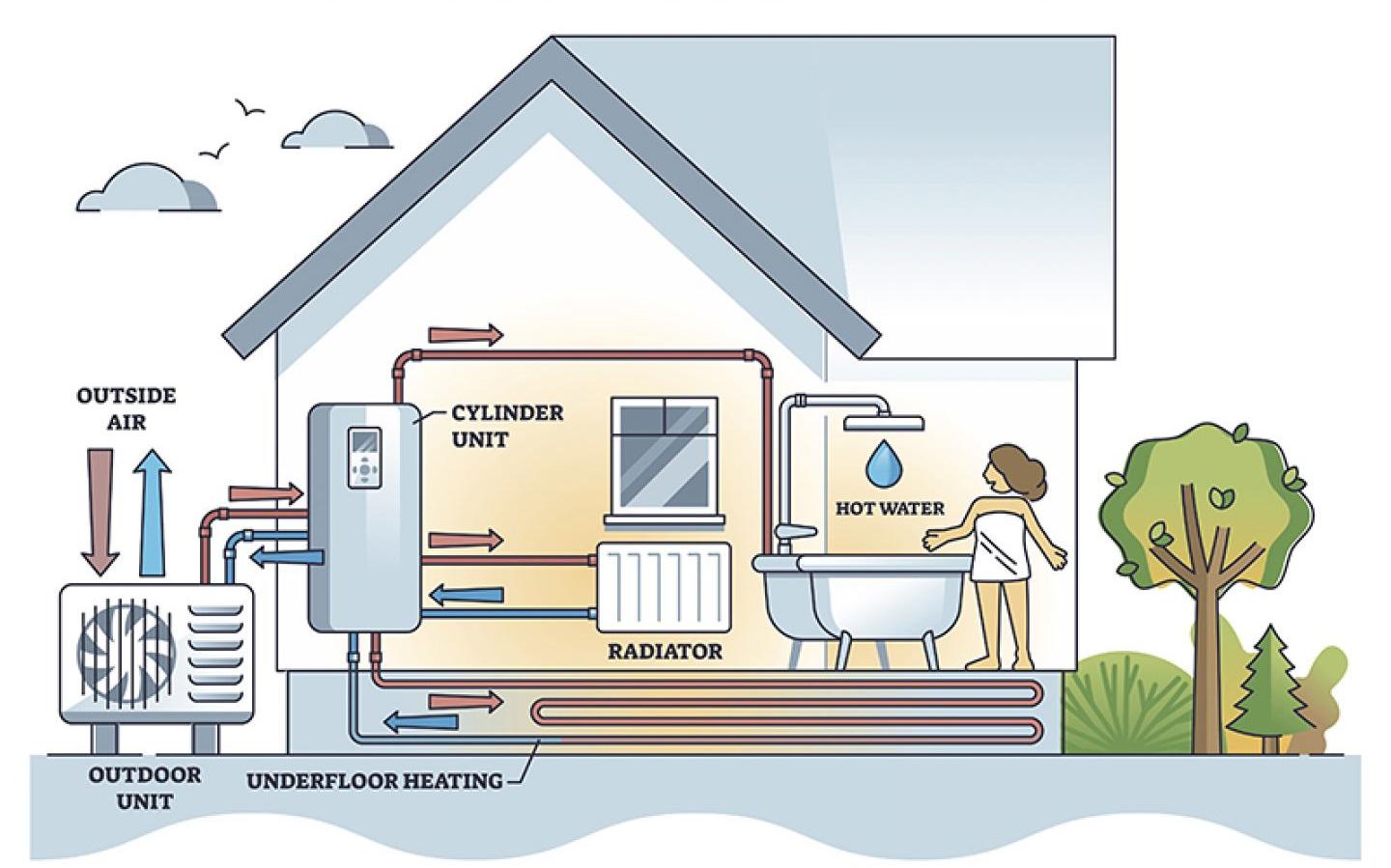
The rapid electrification of heating systems has attracted a wider range of competitors into the heat pump sector. Traditional HVAC companies are now competing with home appliance giants, energy solution providers, and even new entrants focusing on smart energy systems.
As heat pumps increasingly replace conventional heating equipment, their market share in residential cooling and heating systems has grown significantly, reaching nearly half of total equipment sales in some markets. (RMI)
This trend has effectively expanded the competitive field, making the industry more dynamic and complex than ever before.
Industry Consolidation and Strategic Partnerships
In response to growing competition, consolidation is becoming a key trend in the industry. Large companies are strengthening their market position through mergers, acquisitions, and strategic partnerships.
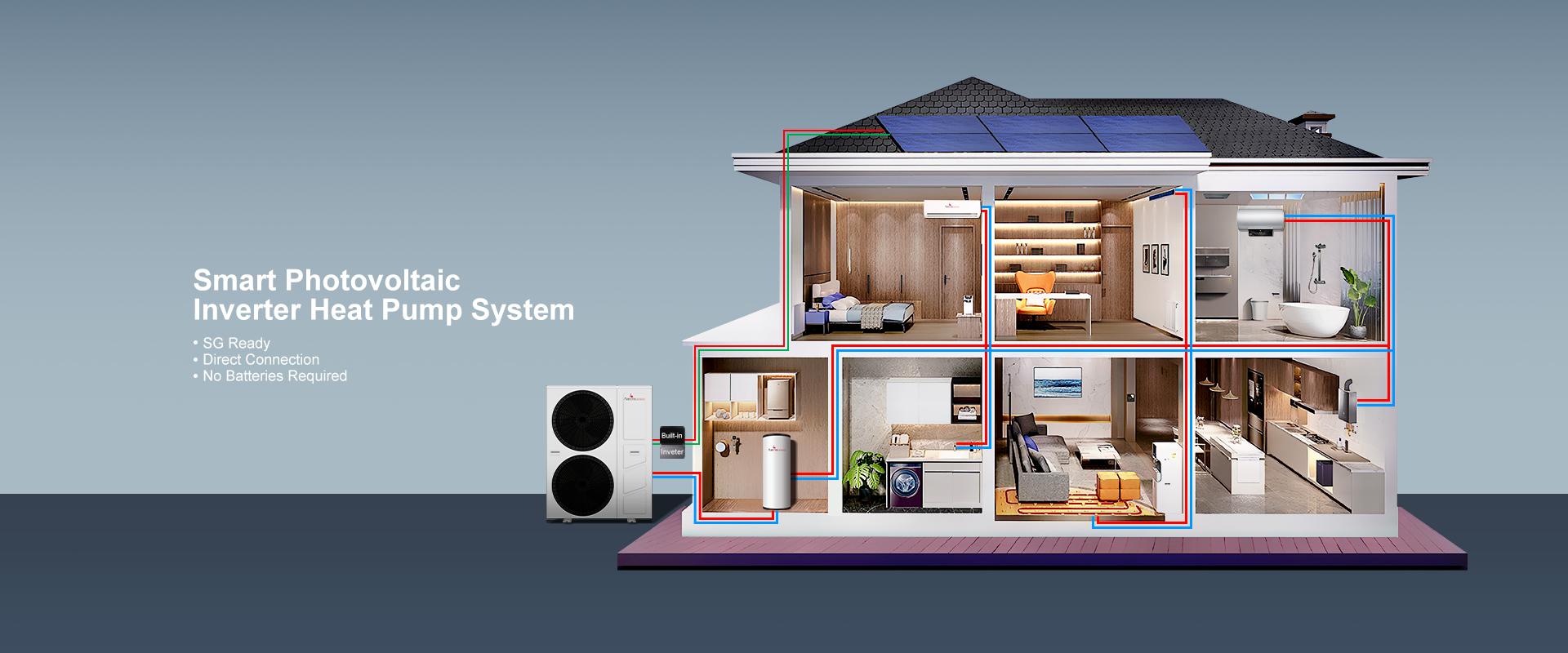
For example, integrated energy solution providers are emerging by combining heating, solar, insulation, and energy management services into a single offering. This shift reflects a broader move toward system-level competition rather than single-product competition.
Such consolidation not only enhances operational efficiency but also enables companies to provide more comprehensive solutions, increasing their competitiveness in large-scale projects.
Technology as a Key Differentiation Factor
With increasing competition, technological innovation has become a critical differentiator. Advanced features such as inverter-driven compressors, low-GWP refrigerants, and smart IoT-enabled control systems are now essential for maintaining competitiveness.
In particular, the development of cold-climate heat pump technology has allowed manufacturers to expand into previously challenging markets, further intensifying competition in regions with harsh winters.
Companies that invest heavily in R&D and energy efficiency improvements are better positioned to capture high-end market segments.
Challenges from Pricing Pressure and Policy Dependence
Despite strong growth potential, the industry faces challenges related to pricing pressure and policy dependence. In some markets, aggressive subsidy schemes have led to the influx of low-cost products, intensifying competition and raising concerns about product quality and market sustainability.
At the same time, fluctuations in government incentives can significantly impact demand, creating uncertainty for manufacturers and distributors.
This dual pressure requires companies to balance cost competitiveness with product reliability and brand reputation.
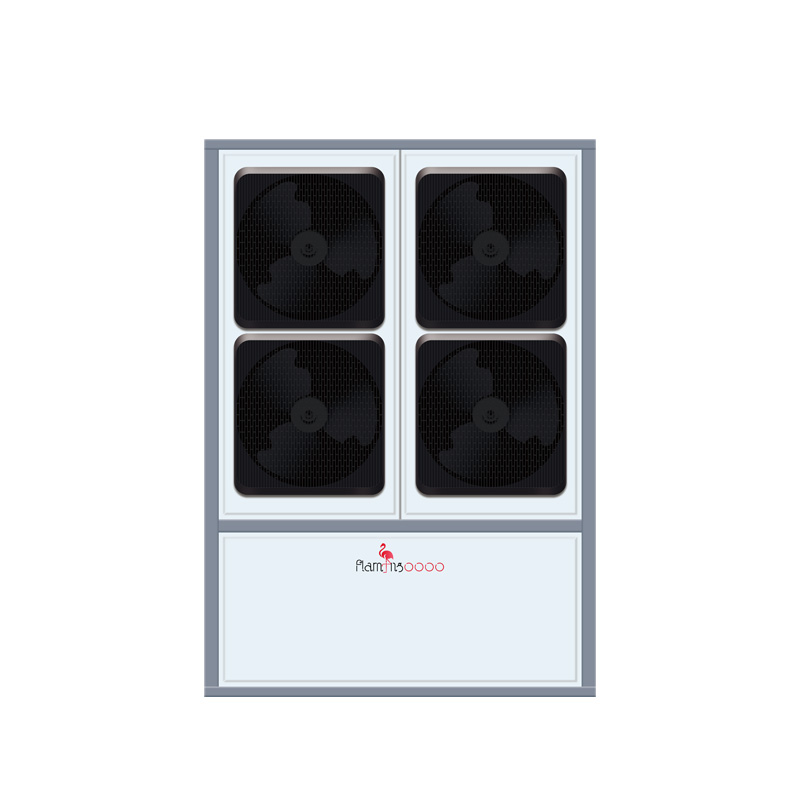
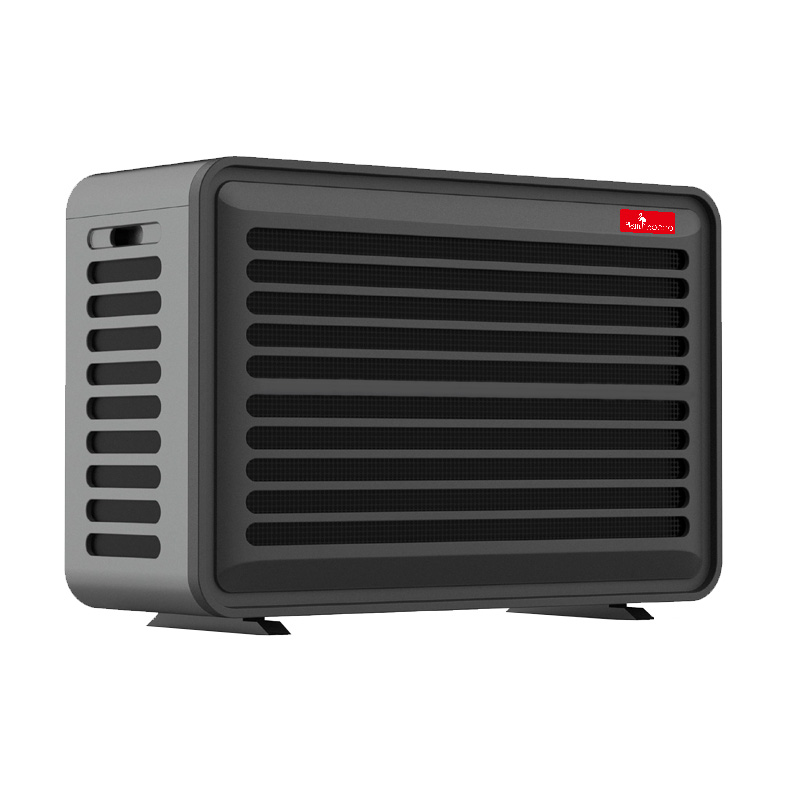
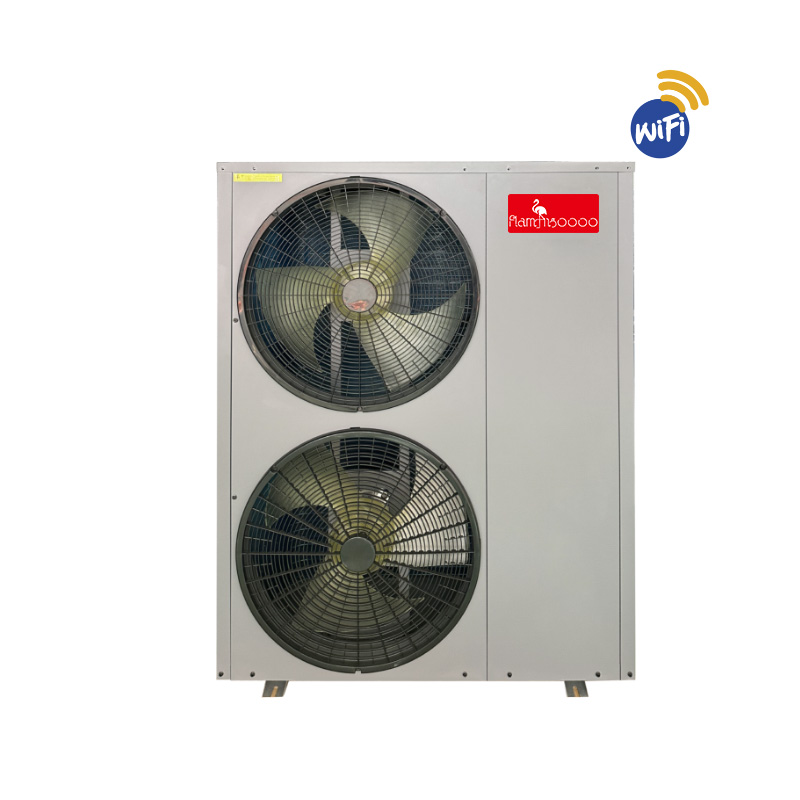
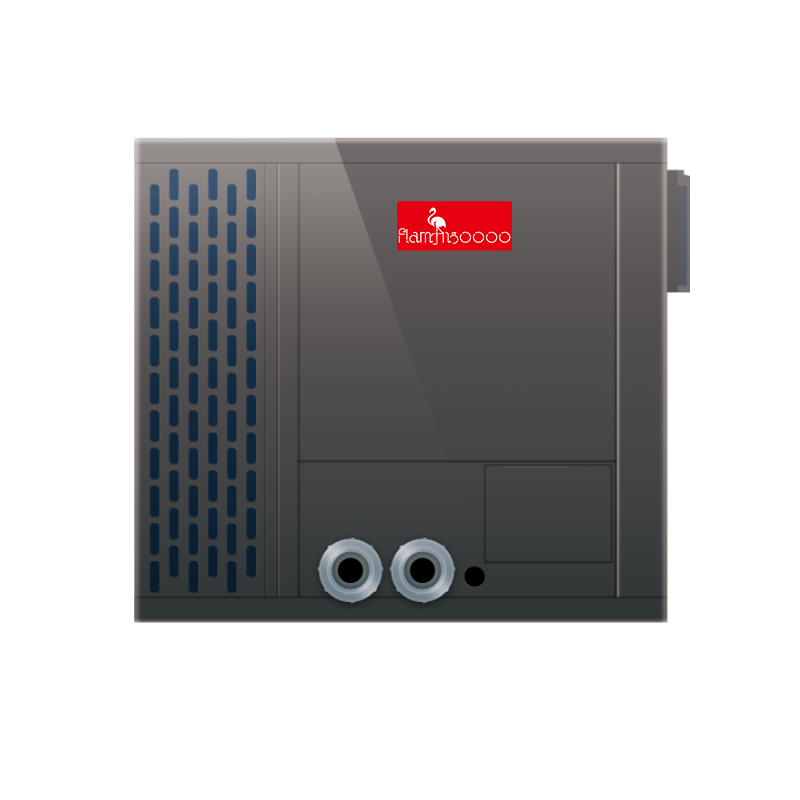
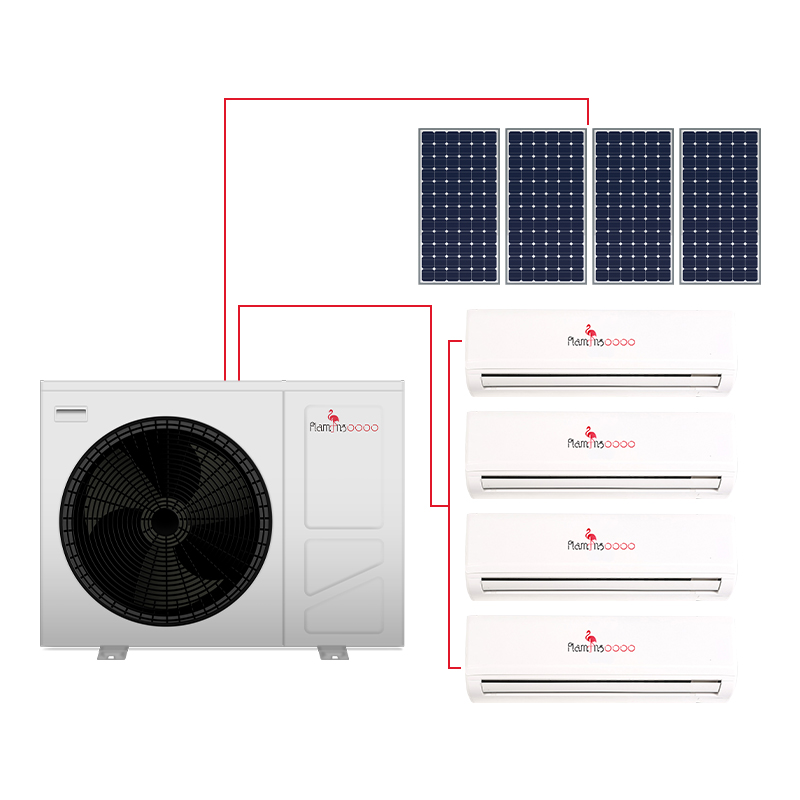
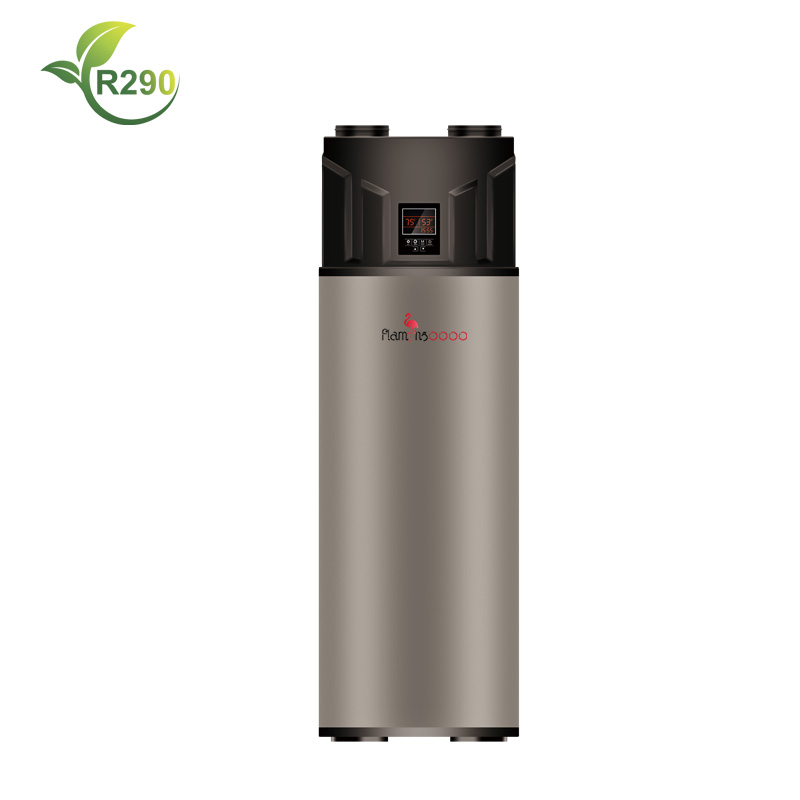
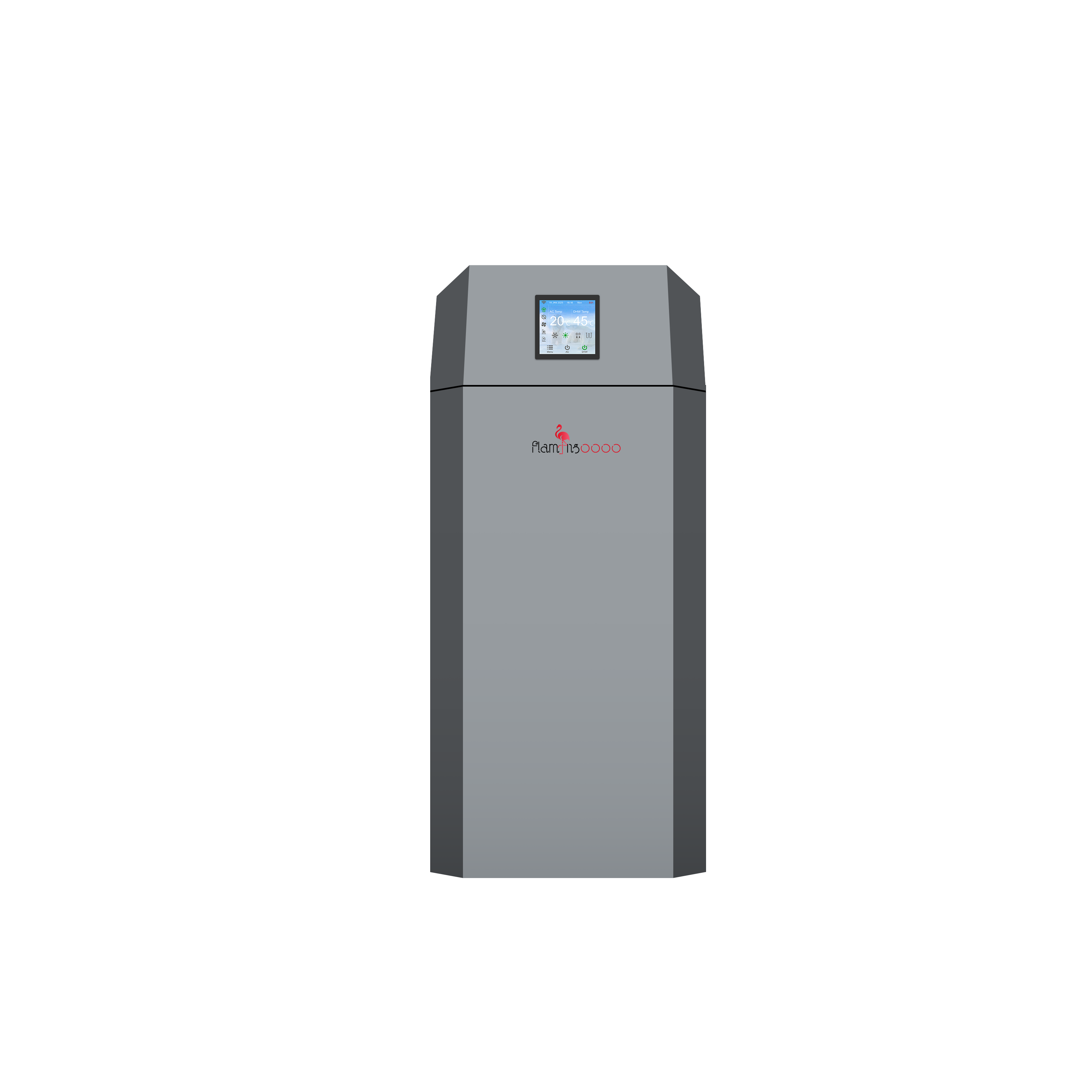
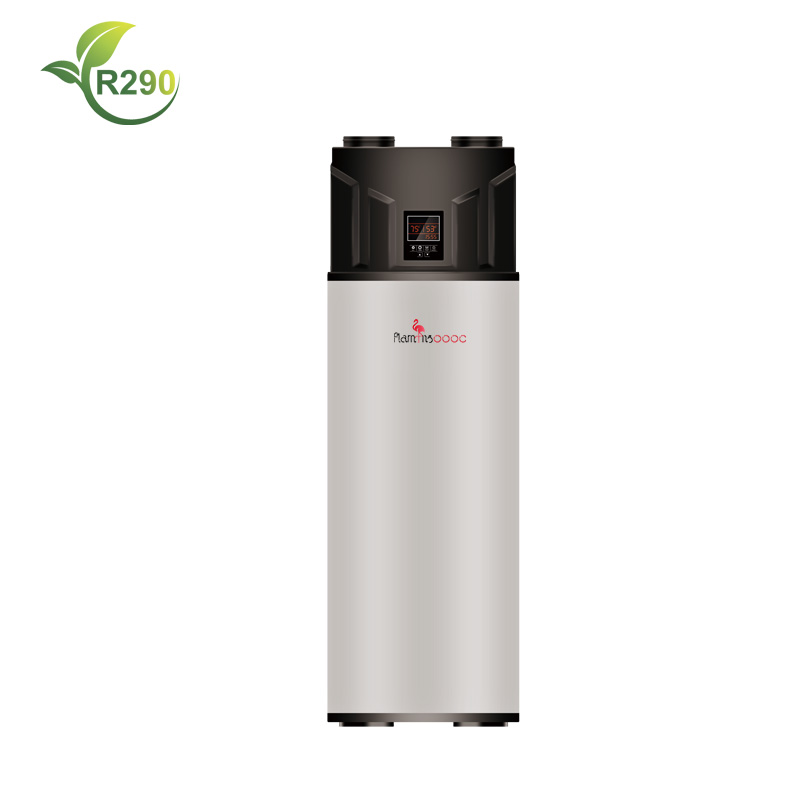
Company Perspective: Guangdong Flamingo New Energy Technology Co., Ltd.
Against this evolving competitive backdrop, Guangdong Flamingo New Energy Technology Co., Ltd. is actively strengthening its position in the global market. By focusing on high-efficiency products, compliance with international standards, and flexible OEM/ODM solutions, the company continues to expand its footprint in Europe and other overseas markets.
Through continuous innovation and customer-oriented service, Guangdong Flamingo New Energy Technology Co., Ltd. aims to differentiate itself in an increasingly competitive environment while building long-term partnerships with global clients.
Outlook: From Price Competition to Value Competition
Looking ahead, the competitive landscape of the heat pump industry is expected to shift from price-driven competition toward value-driven competition. Factors such as brand strength, technological capability, service quality, and integrated solutions will play an increasingly important role.
While competition will remain intense, companies that can adapt to changing market dynamics and deliver comprehensive, high-quality solutions will be best positioned for long-term success.
Conclusion
The global heat pump industry is entering a new phase of competition characterized by consolidation, diversification, and innovation. As the market continues to grow, the ability to balance cost, technology, and global strategy will determine which companies emerge as leaders in the next stage of industry development.
