


Global Heat Pump Industry Trends in 2026: Policy Momentum and Expanding Market Opportunities
As the global transition toward low-carbon energy systems accelerates, heat pumps are rapidly emerging as a key technology for sustainable heating and cooling. Entering 2026, the heat pump industry continues to benefit from strong policy support, technological advancements, and growing international demand, positioning itself as one of the most promising sectors within the HVAC market.
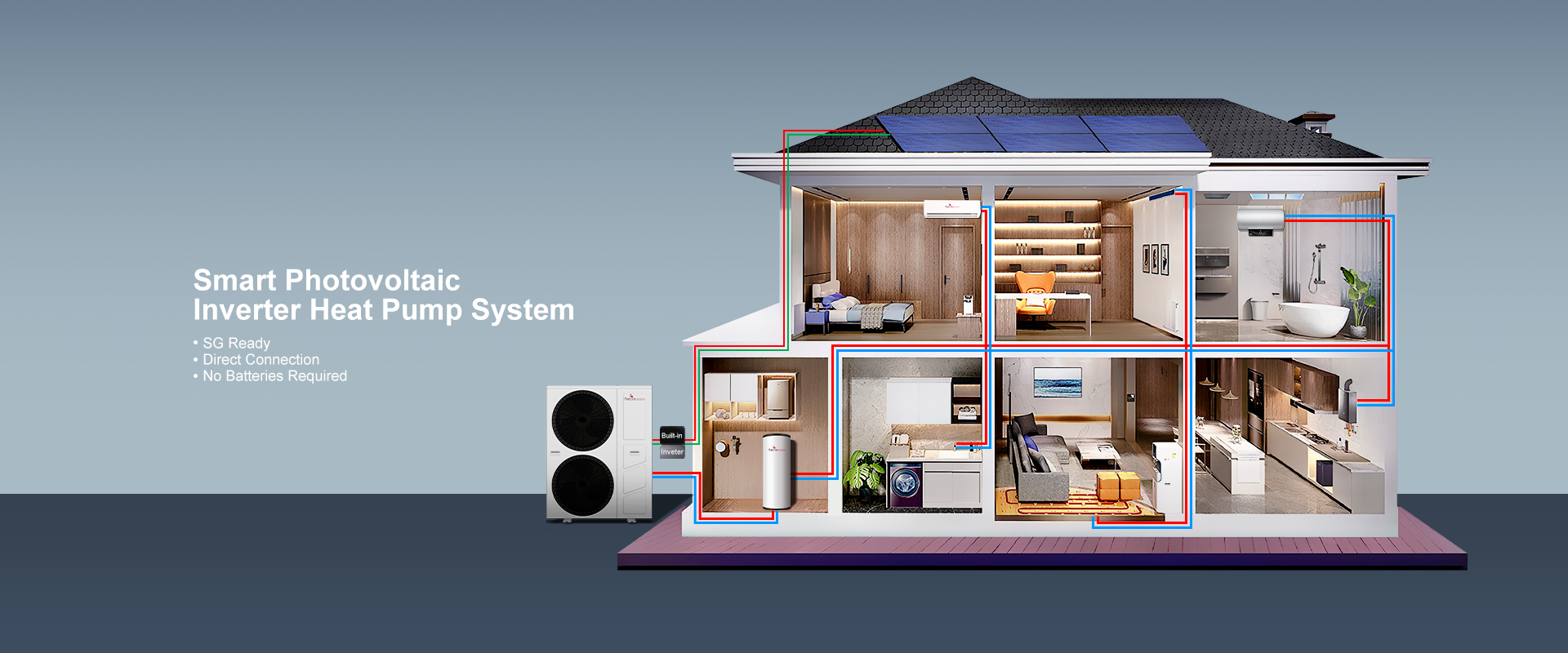
Policy Support Driving Market Expansion
In recent years, governments across major economies have placed heat pumps at the center of their decarbonization strategies. The electrification of heating, particularly in residential and commercial buildings, has become a critical pathway to achieving carbon neutrality targets.
In Europe, ambitious installation targets and subsidy programs remain in place, with plans to deploy tens of millions of heat pumps by 2030. Similarly, in the United States, federal incentives combined with local rebate programs are lowering the cost barrier for consumers, accelerating the replacement of traditional gas boilers.
As policy frameworks continue to strengthen, heat pumps are expected to become a mainstream heating solution globally over the next decade.
Rapid Growth of the Global Market
The global heat pump market has maintained strong growth momentum. Industry data indicates that the market size reached nearly USD 100 billion in 2025 and is projected to exceed USD 200 billion within the next decade.
This growth is primarily driven by rising energy costs, increased environmental awareness, and supportive government policies. Regionally, Asia-Pacific remains the largest market, while Europe and North America are experiencing faster growth due to aggressive decarbonization initiatives.
Advancements in cold-climate heat pump technology have also expanded their applicability, enabling efficient performance even in low-temperature environments.
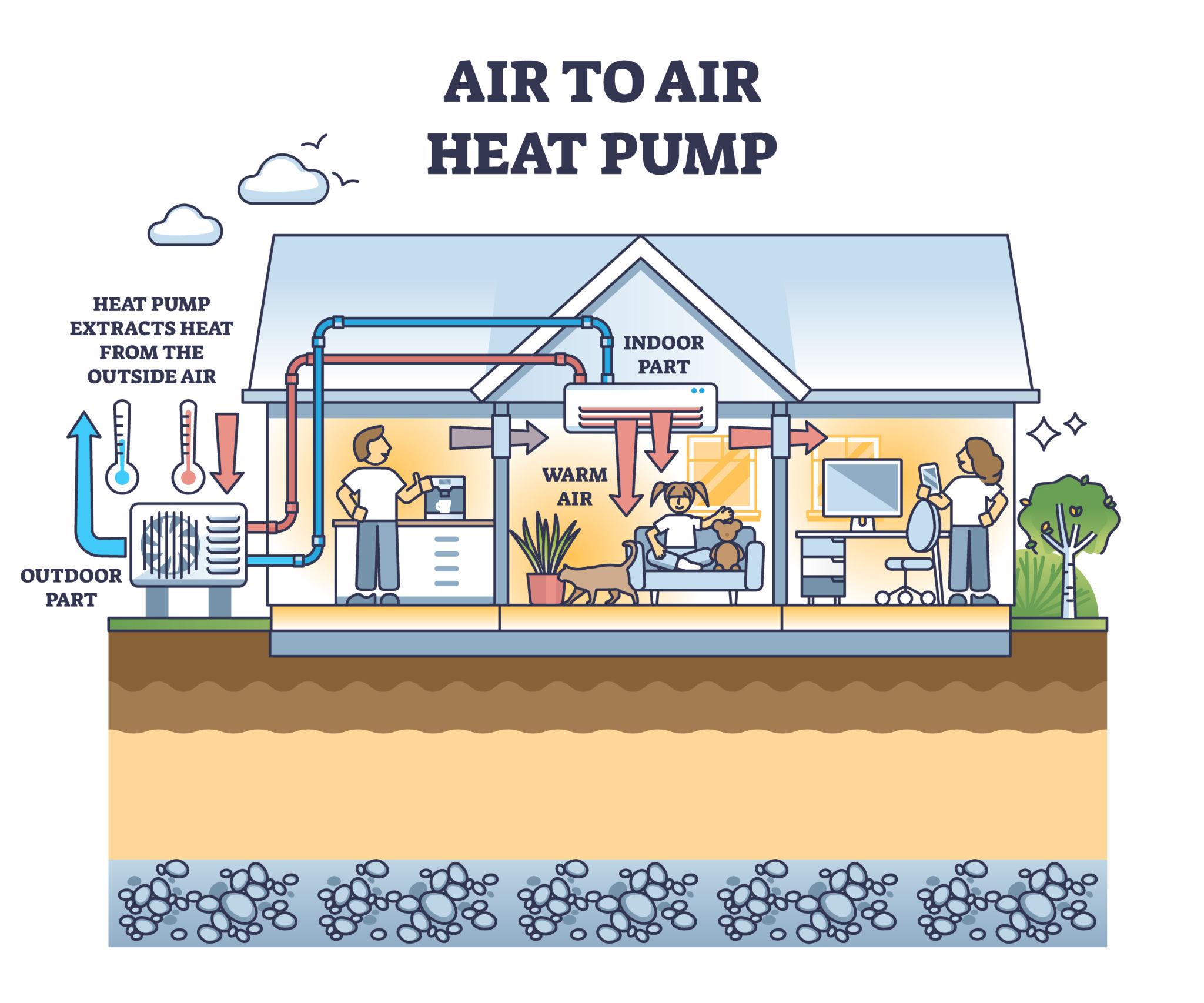
Recovery of China’s Export Market
For Chinese manufacturers, the export market presents significant opportunities. Since 2025, China’s heat pump exports have shown clear signs of recovery, with steady year-on-year growth over consecutive months.
Europe continues to be the primary export destination, supported by strong policy incentives and gradually improving inventory levels. Meanwhile, demand from North America and emerging markets is also increasing, offering diversified growth opportunities for exporters.
However, overseas customers are placing higher demands on product efficiency, certifications, and brand reliability, pushing manufacturers to upgrade their capabilities.
Intensifying Industry Competition
The competitive landscape of the heat pump industry is undergoing significant changes. Large home appliance brands are rapidly increasing their market share, leveraging strong distribution networks and brand recognition.
At the same time, small and medium-sized enterprises are facing growing pressure, leading to increased industry consolidation. In this environment, differentiation through innovation, quality, and targeted market strategies has become essential.
Technological Innovation and Diversification
Technological advancements continue to play a vital role in the development of the heat pump industry. Features such as inverter technology, smart control systems, and IoT integration are becoming standard, improving both energy efficiency and user experience.
In addition, application scenarios are expanding beyond residential heating to include commercial buildings, industrial processes, and agricultural uses such as drying systems. These new applications are opening up additional growth avenues for the industry.
Strengthening Industry Collaboration
The increasing number of industry exhibitions and trade events highlights the growing collaboration across the heat pump value chain. From key components such as compressors and heat exchangers to complete system integration, stakeholders are working more closely than ever before.
This collaborative ecosystem not only enhances efficiency but also accelerates innovation and product development, strengthening the overall competitiveness of the industry.
Company Perspective: Guangdong Flamingo New Energy Technology Co., Ltd.
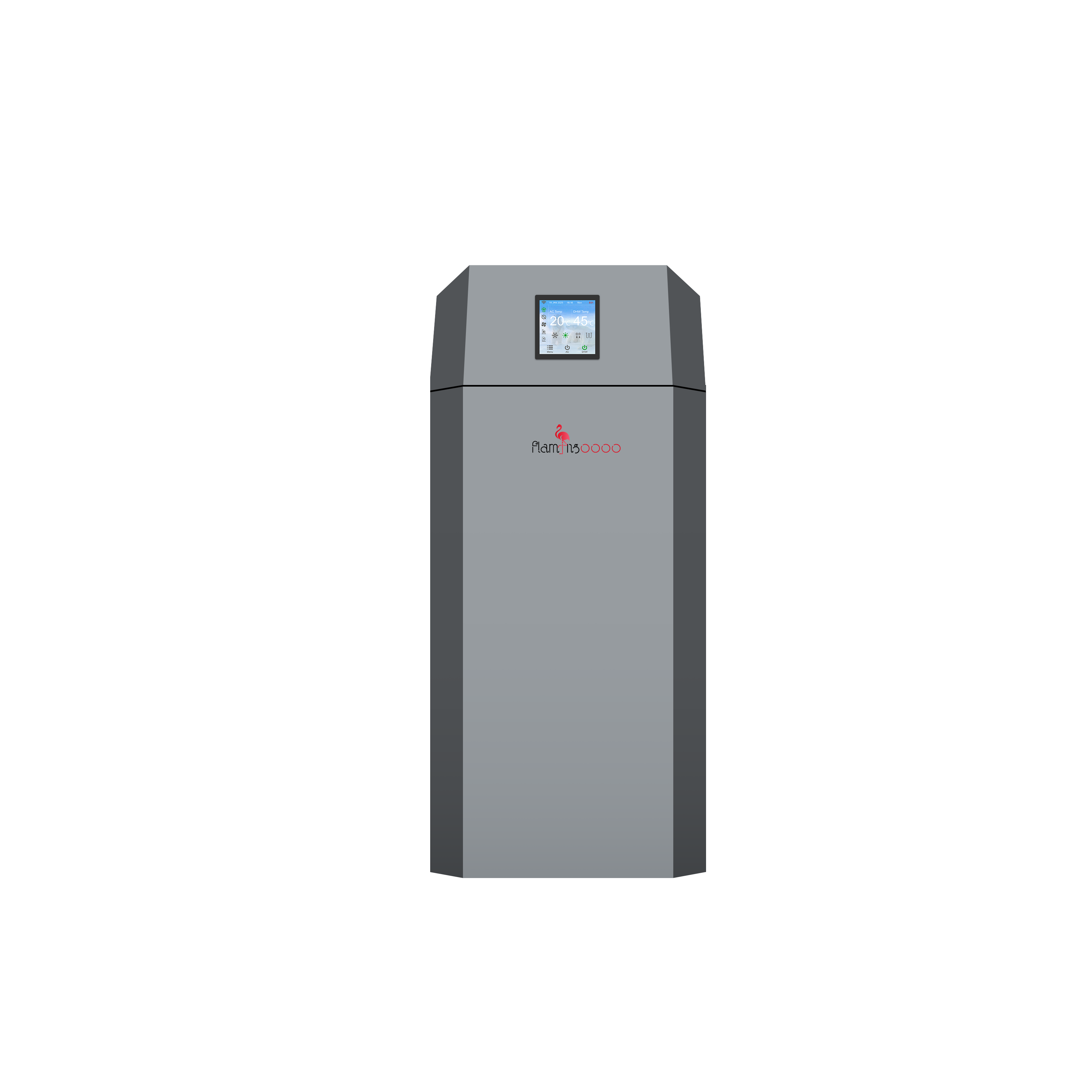
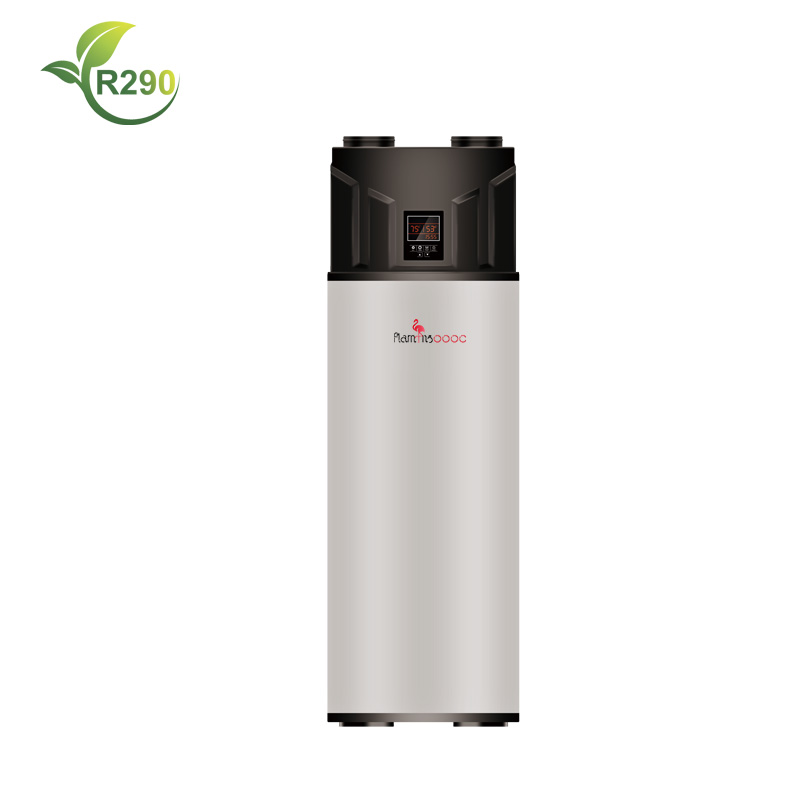
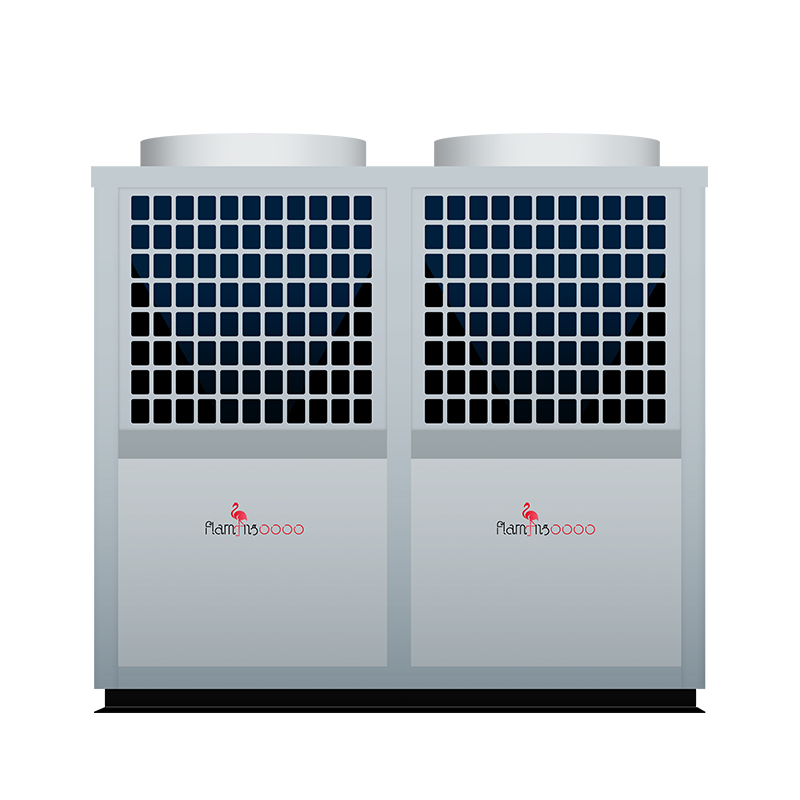
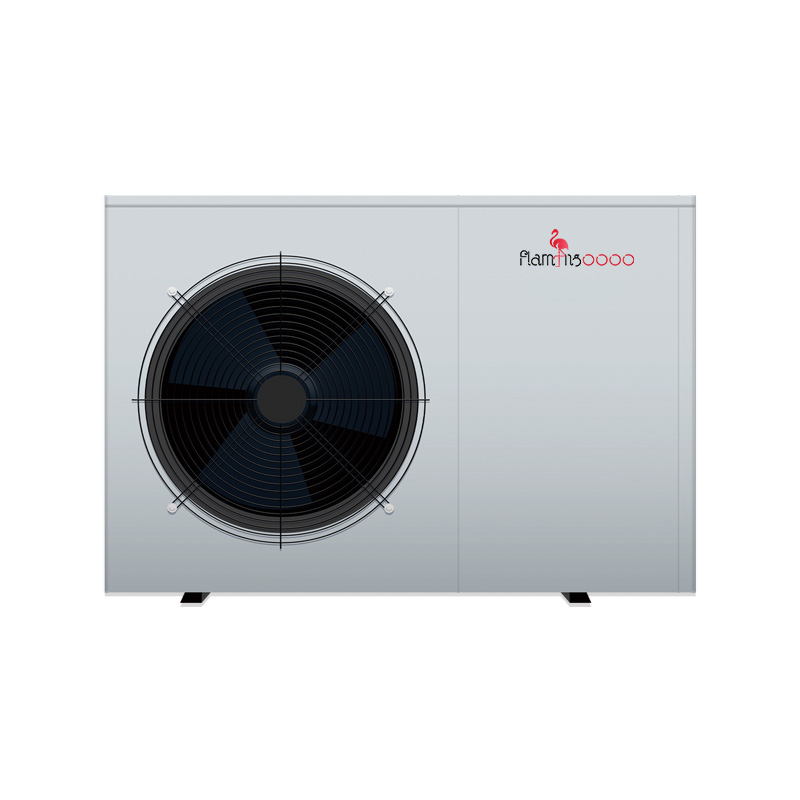
As an active participant in the global heat pump industry, Guangdong Flamingo New Energy Technology Co., Ltd. is committed to delivering high-efficiency and reliable heat pump solutions tailored to international markets.
With a strong focus on European standards and energy efficiency requirements, the company continues to expand its presence in overseas markets. By emphasizing product quality, technological innovation, and customer-oriented service, Guangdong Flamingo New Energy Technology Co., Ltd. aims to support global partners in achieving sustainable energy goals.
Outlook: Opportunities and Challenges Ahead
Looking forward, the heat pump industry is expected to maintain strong growth, driven by both policy incentives and market demand. However, challenges such as fluctuating raw material costs, evolving regulatory requirements, and intensifying global competition remain.
For industry players, success will depend on their ability to innovate, strengthen brand positioning, and adapt to changing market dynamics.
Conclusion
In the context of global energy transformation, heat pumps are set to play an increasingly important role in future energy systems. Companies that can effectively leverage policy support, enhance product competitiveness, and expand internationally will be well-positioned to capitalize on this growing market.
Guangdong Flamingo New Energy Technology Co., Ltd. will continue to explore new opportunities and contribute to the advancement of sustainable heating solutions worldwide.
