
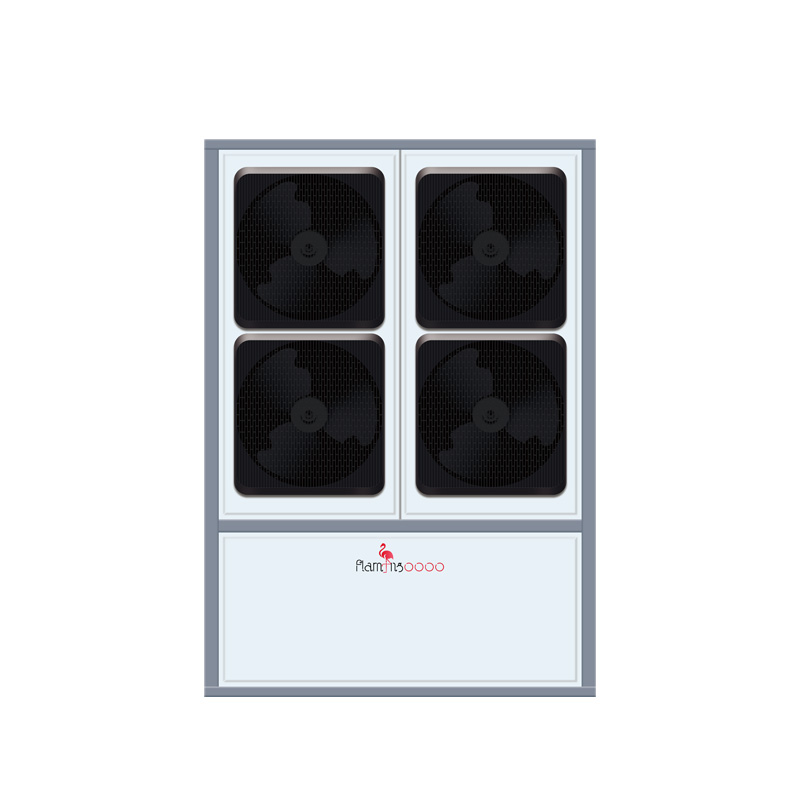
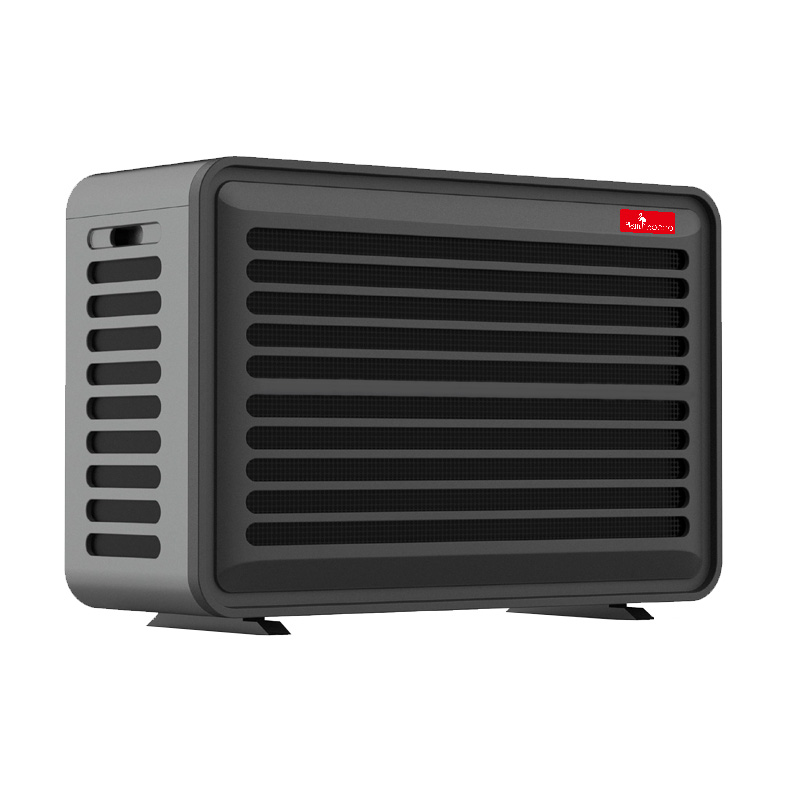
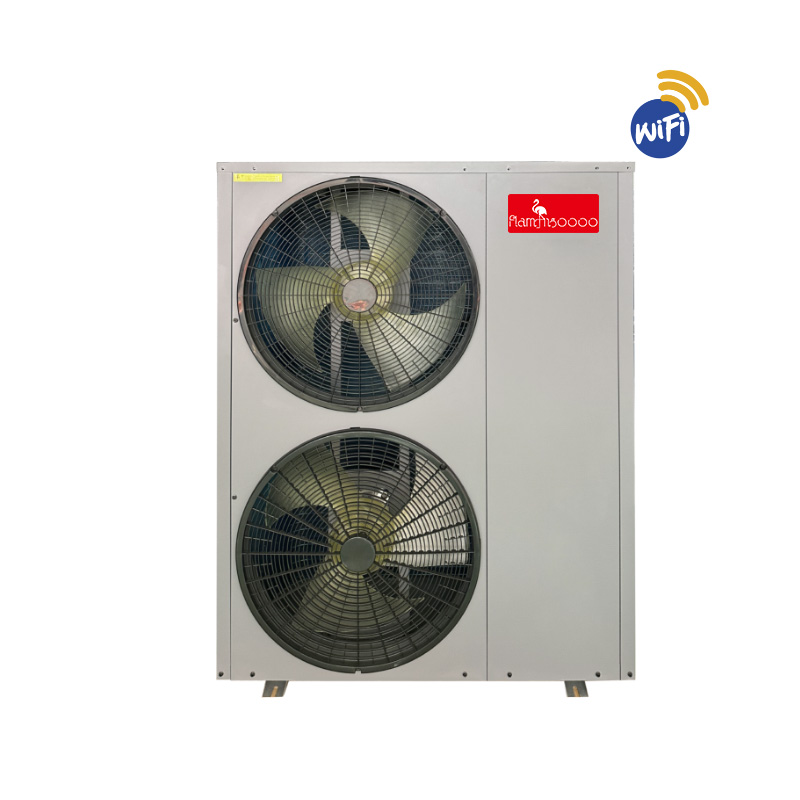
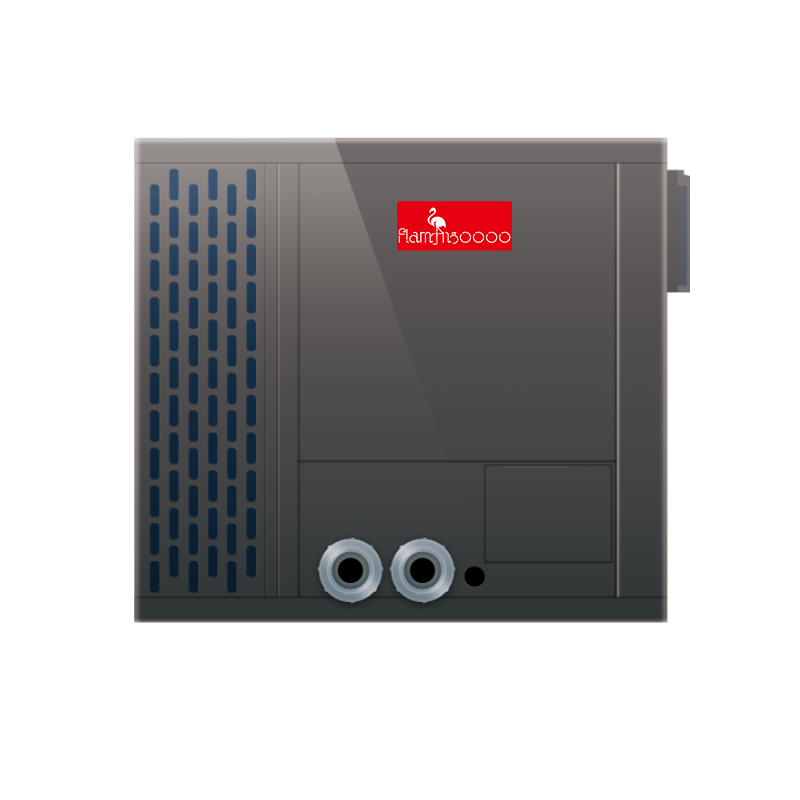
Is a Bigger Heat Pump Always Better? Debunking the "Bigger Is Better" Myth in Heating and Hot Water
By Flamingo Technical Team | Published March 2026
When homeowners begin their journey into the world of heat pumps, a common assumption often arises—one deeply rooted in our experience with other household appliances: bigger must be better. A larger boiler, a bigger air conditioner, a more powerful heater—surely these provide more comfort and better performance, right?
The answer, when it comes to heat pumps, is a definitive no.
At Flamingo, we've spent decades engineering precision heating and hot water solutions. Through countless installations and customer interactions, we've learned that when it comes to heat pump sizing, finding the "Goldilocks" zone—not too big, not too small, but just right—is the true key to optimal performance, efficiency, and longevity.
This comprehensive article will explore why bigger is not better for heat pumps, the science behind proper sizing, the consequences of getting it wrong, and how Flamingo ensures every customer receives the perfectly sized solution for their specific needs.
1. The Fundamental Misconception: Why Bigger Seems Better
The "bigger is better" mentality is understandable. In many areas of life, additional capacity provides a safety margin. A larger car engine can handle steep hills more easily. A bigger water tank ensures you never run out of hot water during a long shower. A more powerful computer can handle demanding tasks without slowing down.
This logic, however, breaks down when applied to heat pump systems. Unlike a traditional gas boiler or electric resistance heater, a heat pump is not simply a device that converts fuel into heat at a fixed rate. It is a sophisticated piece of engineering that moves heat from one place to another, and its efficiency and effectiveness depend entirely on how well it matches the specific heating and cooling demands of your home .
Think of it this way: a heat pump is more like a precision instrument than a brute-force tool. It needs to be calibrated to its environment, not overpower it.
2. Understanding Heat Pump Sizing: It's Not About Physical Dimensions
Before diving into the problems of oversizing, it's crucial to understand what "size" actually means in the context of heat pumps.
What Does "Size" Really Mean?
When we talk about heat pump size, we are not referring to the physical dimensions of the unit (though larger capacity units are often physically larger). Instead, we are referring to its heating and cooling capacity, measured in:
Kilowatts (kW): The standard unit of thermal power output in most countries .
British Thermal Units per hour (BTU/h): Common in North America and the UK .
Tons: A legacy unit where one ton equals 12,000 BTU/h, representing the cooling capacity of one ton of ice melting over 24 hours .
A 5 kW heat pump, for example, can deliver 5 kilowatts of heat energy to your home under specific rated conditions. But here's the critical point: a heat pump's actual output varies depending on external conditions .
Rated Capacity vs. Actual Performance
Manufacturers provide "rated capacity" figures based on standard test conditions (e.g., outdoor temperature of 7°C and water outlet temperature of 35°C, often denoted as A7W35) . However, real-world performance differs significantly.
When outdoor temperatures drop, the heat pump's capacity also drops. When you need higher water temperatures for radiators or domestic hot water, the capacity decreases further. This is why proper sizing must account for your specific climate and system requirements, not just rely on a nameplate rating .
3. The Hidden Dangers of an Oversized Heat Pump
Installing a heat pump that's too large for your property might seem like a safe bet—surely extra capacity means you'll never be cold? Unfortunately, oversizing creates a cascade of problems that affect everything from your comfort to your wallet and the environment.
Short Cycling: The Silent Efficiency Killer
The most significant problem with oversized heat pumps is short cycling .
Here's what happens: A heat pump that's too powerful heats your home (or water) to the desired temperature very quickly. Once the setpoint is reached, it shuts off. But because the system has so much excess capacity, the temperature drops quickly too—especially in mild weather. Soon, the heat pump kicks on again, runs briefly, and shuts off once more. This on-off-on-off cycle repeats frequently.
This short cycling has several devastating effects:
1. Reduced Efficiency
Heat pumps are most efficient when they run for extended periods at moderate capacity. Every start-up consumes extra energy, and the system never reaches its optimal steady-state operating efficiency. An oversized heat pump that short cycles will use more energy than a correctly sized unit, defeating the very purpose of switching to a heat pump .
2. Increased Wear and Tear
The compressor is the heart of a heat pump, and like any mechanical component, it experiences the most stress during start-up. Frequent starting and stopping dramatically increases wear on the compressor, motor, and electrical components. This can lead to:
Premature component failure
Costly repairs
A significantly shortened system lifespan (from 20+ years down to perhaps 10-15 years)
3. Poor Humidity Control
In cooling mode, heat pumps act as dehumidifiers, removing moisture from the air as they cool. This requires sustained run times to properly extract humidity. An oversized system cools the air quickly but doesn't run long enough to remove adequate moisture, leaving your home feeling cold and clammy rather than comfortably cool and dry .
One homeowner in Cleveland, Ohio, shared their experience: after installing an oversized mini-split in a home office, they faced constant short cycling and humidity issues, resorting to running a dehumidifier that filled its 8L tank daily during summer . This is the reality of an improperly sized system.
4. Temperature Fluctuations and Discomfort
Short cycling leads to uneven temperatures. Rooms may swing between too warm and too cool as the system struggles to modulate. Instead of a steady, comfortable environment, you experience temperature rollercoasters .
5. Higher Initial and Operating Costs
Larger heat pumps cost more to purchase and install. You're paying a premium for capacity you don't need. Additionally, the inefficiency of short cycling translates to higher electricity bills—so you pay more upfront and more every month .
4. The Opposite Problem: What Happens When a Heat Pump Is Too Small
While oversizing is often the more common mistake, undersizing presents its own set of challenges.
When Good Enough Isn't Enough
An undersized heat pump lacks the capacity to meet your home's heating or cooling demands during extreme weather conditions.
1. Insufficient Heating on Cold Days
On the coldest winter nights, an undersized heat pump will run continuously—at 100% capacity—yet still fail to maintain your desired indoor temperature. Your home may feel drafty and cold, and you may find yourself supplementing with expensive electric resistance heat .
2. Inadequate Cooling in Summer Heat
Similarly, during summer heat waves, an undersized system will struggle to keep up. It may run constantly without ever reaching the thermostat setpoint, leaving your home uncomfortably warm.
3. Continuous Operation and Strain
While running continuously is actually better for efficiency than short cycling, running at maximum capacity for extended periods puts significant strain on the system. The compressor works harder and longer, potentially leading to overheating and reduced lifespan.
4. Backup Heat Dependence
Many undersized systems must rely on electric resistance backup heat (heating strips) to make up the difference on cold days. Since electric resistance heat has a COP of just 1.0 (compared to a heat pump's 3.0-4.0), this can dramatically increase your energy bills during winter .
5. The Science of Getting It Right: Professional Load Calculations
So if bigger isn't better, and smaller isn't better, how do you find the perfect size? The answer lies in professional, science-based load calculations.
Why Rules of Thumb Fail
You might find online calculators or hear contractors suggest simple rules like "30 BTUs per square foot" or "divide your square footage by 500 to get tons." These rules of thumb are almost always inaccurate .
A study by the Massachusetts Clean Energy Center compared these common rules of thumb against actual heating load data. The results were alarming:
Not a single home would have received the correctly sized heat pump using the "30 BTUs per square foot" rule
On average, this rule oversized systems by 31,000 BTUs—more than 2.5 tons of excess capacity
Even the more conservative "divide by 500" rule resulted in 30% of systems being oversized by more than one ton, while 32% were significantly undersized
Every home is unique. Factors like insulation quality, window efficiency, orientation, climate, and occupancy patterns all affect heating and cooling needs . Rules of thumb simply cannot account for this complexity.
The Manual J Method: Industry Gold Standard
The proper way to size a heat pump is through a Manual J load calculation, published by the Air Conditioning Contractors of America (ACCA) .
A Manual J calculation considers dozens of factors, including:
This calculation determines your home's specific heating and cooling loads—the amount of heat that must be added or removed to maintain comfort under design conditions.
Beyond Manual J: Manual S for Equipment Selection
Once the load is known, a Manual S calculation helps select the specific heat pump model and size that best matches those loads . This ensures that the selected equipment can meet the load efficiently without oversizing.
The Blower Door Test: For Ultimate Precision
For the most accurate assessment, some contractors perform a blower door test. This involves mounting a powerful fan in an exterior doorway to depressurize the home and measure exactly how much air leaks through cracks and gaps. Thermal imaging can then pinpoint where air sealing improvements would be most beneficial .
This level of precision ensures your heat pump is sized not for the house as it exists on paper, but for the house as it actually performs.
6. Special Considerations for Hot Water Production
When a heat pump is responsible for both space heating and domestic hot water (DHW)—as is common with Flamingo's integrated systems—sizing becomes even more critical.
The Dual-Duty Challenge
A heat pump serving both functions must satisfy two different demands:
Space heating: A continuous, modulating load that varies with weather
Hot water: An intermittent, high-intensity load requiring higher temperatures
In most residential applications, the space heating load is the primary driver of system size. However, several factors must be considered:
1. Prioritization and Trade-offs
When the heat pump shifts to producing domestic hot water, it typically stops providing space heating for a period. A properly sized system, combined with adequate thermal storage (buffer tank), can manage this trade-off without compromising comfort. The building's thermal mass (insulation, flooring, walls) retains heat during this brief interruption .
2. Recovery Time
Industry guidelines suggest that a heat pump should be able to reheat a fully depleted hot water tank within one hour. This ensures that occupants don't face long waits for hot water after heavy usage, while also limiting the duration of space heating interruption .
3. Temperature Requirements
Domestic hot water typically needs to reach higher temperatures (50-60°C) than space heating (35-45°C for underfloor systems). Higher output temperatures reduce a heat pump's efficiency and capacity. A properly sized system must account for this performance derating at higher temperatures .
4. Cold Climate Considerations
In colder regions, both space heating demand increases and heat pump capacity decreases simultaneously. This "double whammy" means systems in cold climates must be sized more carefully, often with consideration of supplementary heat sources or enhanced vapor injection (EVI) technology .
7. The Flamingo Approach: Precision Sizing for Every Home
At Flamingo, we don't believe in one-size-fits-all solutions. Our approach to heat pump sizing is rooted in engineering excellence and customer-centric design.
Our Commitment to Proper Sizing
1. Comprehensive Site Assessment
Every Flamingo installation begins with a thorough assessment of your property. Our certified technicians evaluate:
Building construction and insulation levels
Window types and orientations
Existing heating system configuration
Hot water usage patterns (number of bathrooms, occupants,浴缸 usage)
2. Advanced Load Calculation Tools
We utilize industry-leading software to perform detailed Manual J calculations, ensuring that every heat pump we recommend is precisely matched to your home's unique characteristics.
3. Modulating Technology for Flexibility
Many Flamingo heat pumps feature inverter-driven variable-speed compressors. Unlike traditional single-stage compressors that are either 100% on or completely off, inverter-driven models can modulate their output from as low as 30% up to 120% of rated capacity .
This technology provides a crucial buffer against sizing uncertainties:
If the calculated load is slightly conservative, the system can ramp up to meet demand
During mild weather, it can run at low capacity for extended periods, maximizing efficiency and eliminating short cycling
It provides perfect humidity control by running continuously at reduced capacity
4. The "Buffer Tank" Advantage
For systems combining space heating and DHW production, Flamingo recommends appropriately sized buffer tanks. These thermal reservoirs:
Store excess heat for use during defrost cycles
Allow the heat pump to operate in longer, more efficient cycles
Ensure consistent hot water availability without oversizing the heat pump itself
5. Considering User Habits
We ask the important questions that impact sizing:
Do you frequently use a bathtub (which consumes more water than showers)?
Do you have high-demand periods (morning and evening showers for a large family)?
Are there additional hot water needs (washing machines, dishwashers, kitchen sinks)?
In colder regions, we recommend upsizing both the heat pump and water tank by one increment to account for reduced winter performance and colder incoming water temperatures .
8. Real-World Consequences: Case Studies in Sizing
Case Study 1: The Oversized Office (Cleveland, Ohio)
A homeowner renovated a 100-year-old brick home in Climate Zone 6A, installing a multi-zone heat pump system. The bonus room office received a 12,000 BTU (1-ton) mini-split head—significantly oversized for the well-insulated 19x11 foot space.
The result: Constant short cycling, humidity problems requiring a dedicated dehumidifier, and vibration issues during operation. The homeowner realized they needed to replace the unit with a 6,000 BTU head and downsize the outdoor unit—a costly and inconvenient correction .
The Flamingo lesson: Even in cold climates, insulation improvements mean smaller, not larger, equipment is often the right choice.
Case Study 2: The Undersized Family Home
Imagine a 4-bedroom home with poor insulation where a contractor installed a heat pump based solely on square footage, ignoring the drafty windows and leaky ducts.
The result: On the coldest winter nights, the system runs continuously but never reaches 20°C. The electric backup heating strips kick in frequently, doubling or tripling the electricity bill. The homeowners wonder why their "efficient" heat pump costs so much to run.
The Flamingo lesson: Accurate load calculations must account for the building's actual condition, not idealized assumptions.
Case Study 3: The Perfect Fit
A 3-bedroom semi-detached house in the UK with average insulation receives a professional assessment. The contractor performs a full heat loss calculation, considers the home's south-facing orientation (passive solar gain), and accounts for the family of four's hot water usage patterns.
The result: An 8 kW Flamingo variable-speed heat pump is installed. On mild autumn days, it purrs along at 30% capacity, maintaining perfect temperature and humidity. On cold winter mornings, it ramps up to meet demand without breaking a sweat. Hot water is always available, and the annual energy bills are 60% lower than the old gas boiler .
The Flamingo lesson: Precision sizing delivers comfort, efficiency, and savings.
9. Common Myths About Heat Pump Sizing
Myth 1: "A bigger heat pump means I'll never run out of hot water."
Reality: Hot water availability depends more on storage tank size and recovery rate than on heat pump capacity. An oversized heat pump may heat water faster, but it will also short cycle, wasting energy and wearing out components. A properly sized unit with an appropriately sized tank provides ample hot water more efficiently .
Myth 2: "I should oversize to prepare for future needs."
Reality: If you plan to add rooms or increase hot water demand in the future, it's better to size for your current needs and upgrade later if necessary. Oversizing now guarantees inefficiency and potential damage in the present.
Myth 3: "Cold climates need massively oversized heat pumps."
Reality: Cold climates do require heat pumps with sufficient low-temperature capacity, but this is about selecting the right type of heat pump (e.g., cold-climate models with EVI technology), not simply installing a larger unit. Modern cold-climate heat pumps are designed to maintain high output at low temperatures without oversizing .
Myth 4: "Any heat pump is better than my old boiler, regardless of size."
Reality: A poorly sized heat pump can actually be less efficient than a well-maintained conventional system. The energy savings and environmental benefits of heat pumps are only realized when the system is correctly designed and installed .
10. The Installation Process: What to Expect from a Flamingo Professional
When you choose Flamingo, here's what a proper sizing and installation process looks like:
Step 1: Initial Consultation
We discuss your heating and hot water needs, usage patterns, and any concerns about your current system.
Step 2: Property Assessment
Our technician conducts a thorough inspection, measuring rooms, assessing insulation, examining windows and doors, and evaluating your existing heating distribution system (radiators, underfloor heating, etc.).
Step 3: Load Calculation
Using Manual J methodology, we calculate your home's precise heating and cooling loads, accounting for your local climate's design temperatures .
Step 4: System Design
Based on the load calculation, we design a complete system including:
Appropriate heat pump model and capacity
Correctly sized hot water storage tank
Buffer tank if needed
Any necessary upgrades to your distribution system
Step 5: Equipment Selection (Manual S)
We select the specific Flamingo model that best matches your calculated loads, considering its performance characteristics across the full range of operating conditions.
Step 6: Professional Installation
Our certified installers complete the installation to the highest standards, ensuring proper refrigerant charging, water flow rates, and electrical connections.
Step 7: Commissioning and Handover
We test the system thoroughly, demonstrate its operation to you, and ensure you understand how to use the controls for maximum comfort and efficiency.
Step 8: Ongoing Support
Flamingo stands behind its products with comprehensive warranties and responsive customer service.
11. The Future of Heat Pump Sizing: Smart Systems and Self-Optimization
As technology advances, heat pump sizing is becoming more forgiving and intelligent.
Self-Learning Algorithms
Modern heat pumps with internet connectivity can monitor their own performance and learn the characteristics of your home. Over time, they can optimize their operation to match your specific patterns and preferences.
Weather Forecasting Integration
Some advanced systems now incorporate local weather forecasts, preemptively adjusting their operation to prepare for incoming cold fronts or heat waves.
Smart Grid Integration
Flamingo's latest systems can communicate with the electrical grid, timing hot water production for periods of low demand or high renewable energy availability.
These innovations don't eliminate the need for proper initial sizing, but they do provide additional layers of optimization that enhance performance and efficiency over the life of the system.
12. Conclusion: The Goldilocks Principle Prevails
So, is a bigger heat pump better?
No. The best heat pump is the one that's sized precisely for your home.
Not too big—to avoid short cycling, excessive wear, poor humidity control, and wasted energy.
Not too small—to ensure comfort on the coldest nights and hottest days without relying on expensive backup heat.
Just right—to deliver efficient, reliable heating and hot water for decades to come.
At Flamingo, we're committed to helping you find that perfect fit. Our precision engineering, combined with professional sizing and installation, ensures that your heat pump system will provide optimal comfort, maximum efficiency, and lasting value.
Whether you're building a new home, replacing an old boiler, or simply curious about how heat pump technology can benefit you, we invite you to contact Flamingo. Let our experts show you why, when it comes to heat pumps, size really does matter—but bigger isn't always better.
Frequently Asked Questions About Heat Pump Sizing
Q: How do I know if my current heat pump is oversized?
A: Signs include short cycling (frequent on-off cycles), poor humidity control in summer, and higher-than-expected energy bills. A professional assessment can confirm.
Q: Can an inverter-driven heat pump overcome sizing errors?
A: Inverter technology provides a wider operating range and helps mitigate minor sizing inaccuracies, but it cannot fully compensate for significant oversizing or undersizing .
Q: What size heat pump does a typical 3-bedroom house need?
A: Based on UK guidance, a 3-bedroom house with average insulation typically requires an 8 kW system, while a poorly insulated 3-bedroom home might need 10 kW. However, professional calculation is essential .
Q: Does hot water production affect heat pump sizing?
A: Yes. In combined systems, the heat pump must be sized to handle both space heating and hot water demands, though these rarely occur at peak simultaneously. A buffer tank helps manage this dual duty .
Q: How much does professional sizing cost, and is it worth it?
A: While professional sizing adds some upfront cost, it's insignificant compared to the long-term savings in energy bills and the cost of replacing an incorrectly sized system. It's always worth it.
About Flamingo:
Flamingo is a global leader in precision-engineered air source heat pumps for residential and commercial applications. With a commitment to sustainability, innovation, and customer satisfaction, we provide heating, cooling, and hot water solutions that are perfectly sized for every need.
Contact Us:
Ready to find your perfect heat pump? Contact Flamingo today for a professional consultation.
