
Expanding Technologies and Applications in the Heat Pump Industry: Driving the Next Phase of Sustainable Growth
As global demand for energy-efficient and low-carbon solutions continues to rise, the heat pump industry is entering a new phase characterized by rapid technological innovation and expanding application scenarios. In 2026, advancements in system performance, intelligent control, and diversified use cases are reshaping how heat pumps are deployed across residential, commercial, and industrial sectors.
Continuous Innovation in Core Technologies
Technological progress remains at the heart of the heat pump industry’s development. In recent years, inverter-driven compressors have become increasingly mainstream, allowing systems to adjust output dynamically based on real-time demand. This not only improves energy efficiency but also enhances operational stability and user comfort.
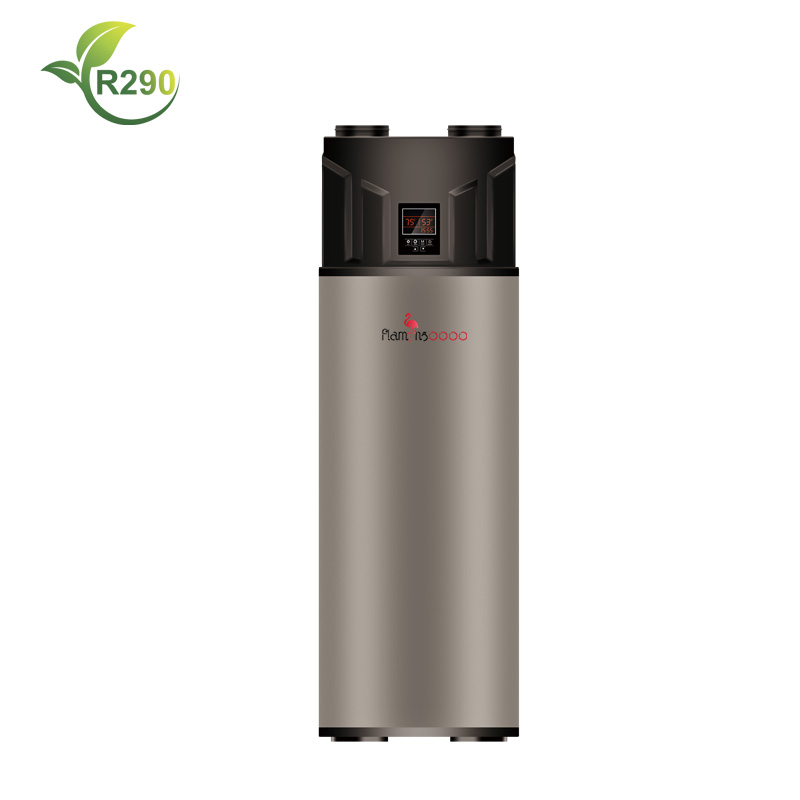
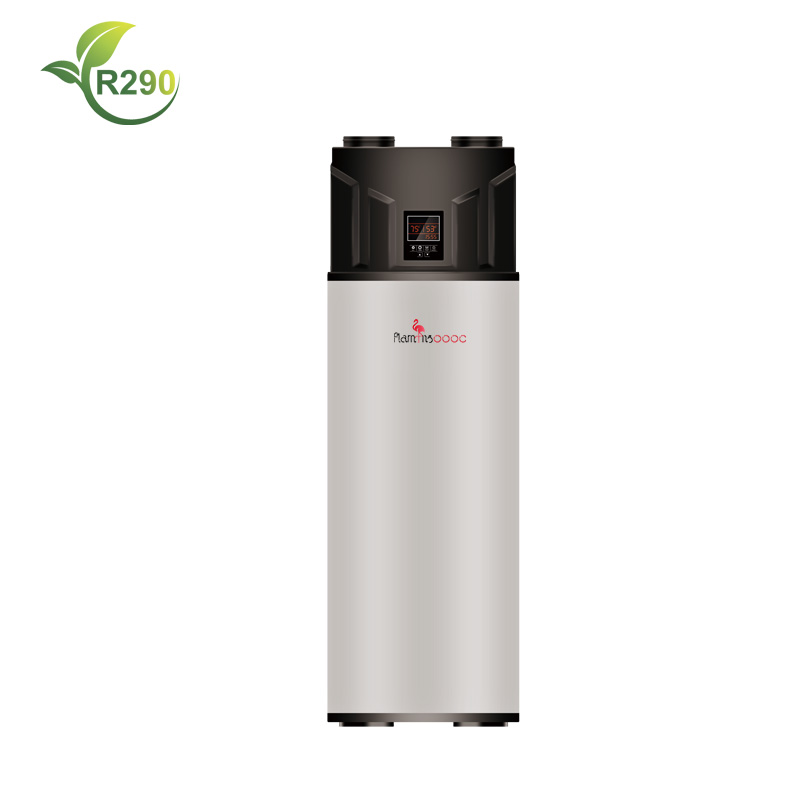
In addition, the adoption of low-global-warming-potential (low-GWP) refrigerants is accelerating, driven by stricter environmental regulations worldwide. These refrigerants help reduce the carbon footprint of heat pump systems while maintaining high performance.
Another key development is the improvement of cold-climate heat pump technology. Modern systems are now capable of delivering reliable heating even in extremely low temperatures, significantly expanding their applicability in northern regions.

Integration of Smart and IoT Technologies
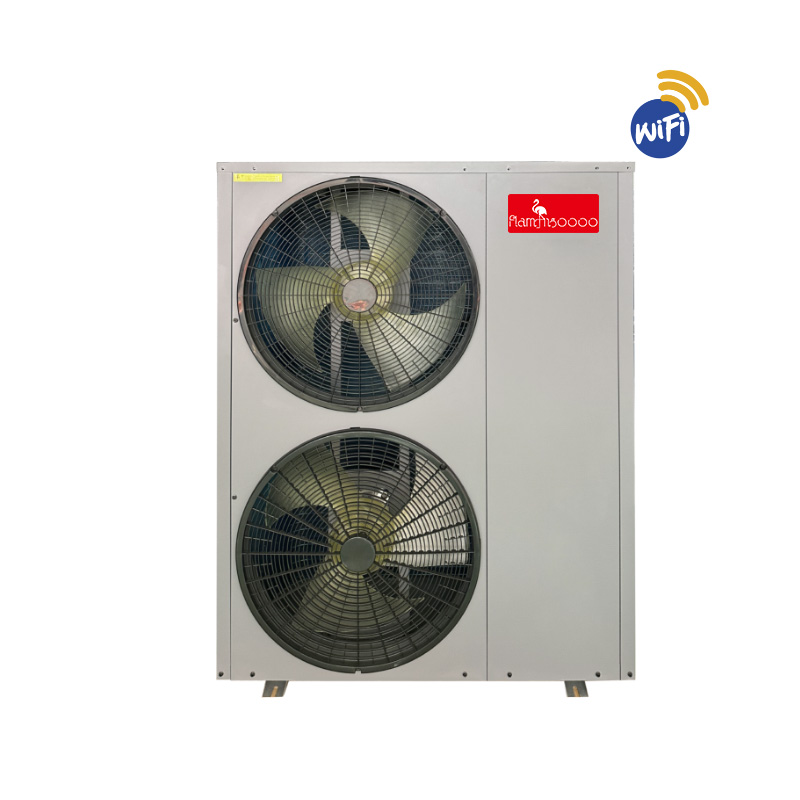
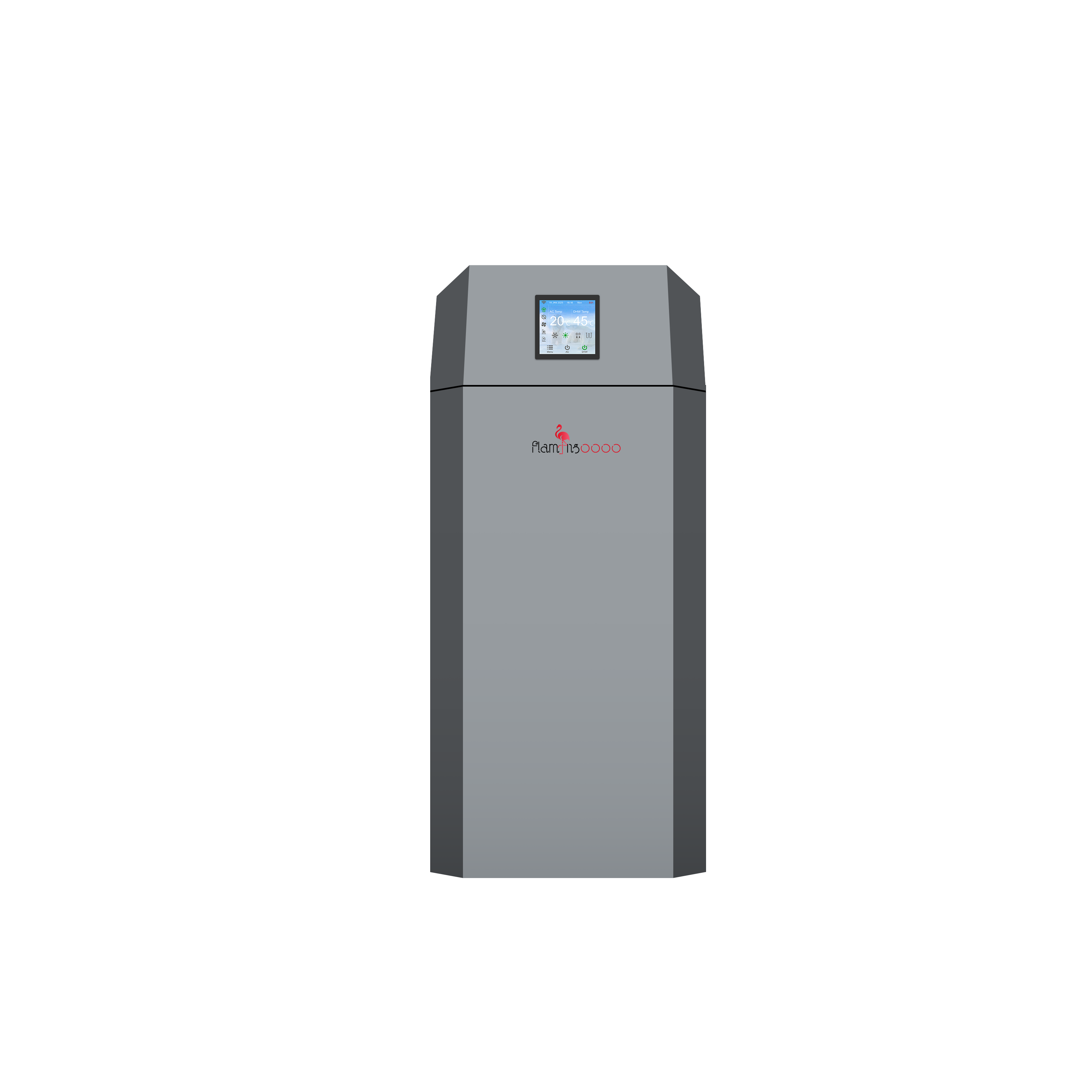
The integration of smart control systems and Internet of Things (IoT) technologies is transforming heat pumps into intelligent energy solutions. Users can now monitor and control system performance remotely through mobile applications, optimizing energy consumption and reducing operating costs.
For commercial and industrial users, data-driven energy management systems provide deeper insights into system efficiency, enabling predictive maintenance and improved lifecycle management.
This shift toward intelligent operation is not only enhancing user experience but also creating new opportunities for service-based business models.
Expansion into Commercial and Industrial Applications
While residential heating remains the primary application of heat pumps, the technology is increasingly being adopted in commercial and industrial sectors. Office buildings, hotels, hospitals, and shopping centers are integrating heat pump systems to meet both heating and cooling demands efficiently.
In industrial settings, heat pumps are being used for waste heat recovery, process heating, and drying applications. These use cases significantly improve energy utilization and reduce operational costs, making heat pumps an attractive solution for industries seeking to decarbonize their operations.
Growing Role in Agricultural and Specialized Applications
Beyond traditional sectors, heat pumps are finding new applications in agriculture and specialized industries. For example, heat pump drying systems are widely used in food processing, improving product quality while reducing energy consumption.
In aquaculture and greenhouse farming, heat pumps provide precise temperature control, supporting stable production environments. These emerging applications highlight the versatility of heat pump technology and its potential for further growth.
Hybrid Systems and Integrated Energy Solutions
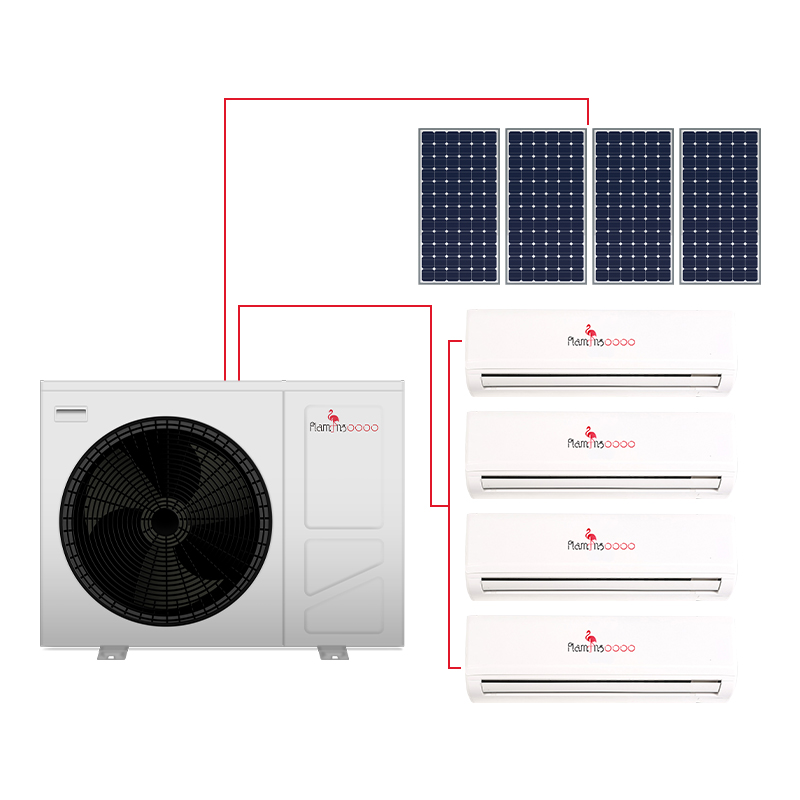
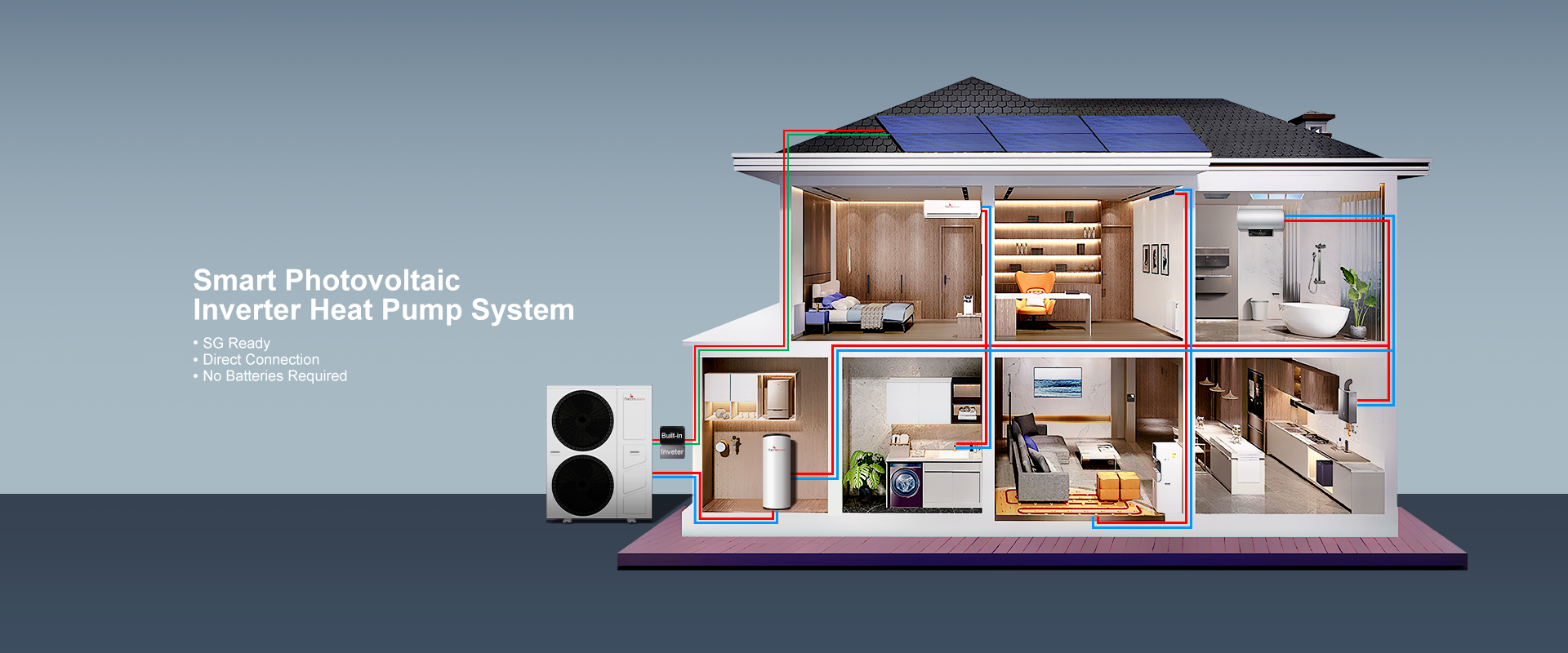
Another important trend is the development of hybrid systems that combine heat pumps with other energy technologies such as solar power and energy storage. These integrated solutions enhance overall system efficiency and resilience, particularly in regions with variable energy supply.
As energy systems become more interconnected, heat pumps are evolving from standalone products into key components of comprehensive energy ecosystems.
Company Perspective: Guangdong Flamingo New Energy Technology Co., Ltd.
As the industry continues to evolve, Guangdong Flamingo New Energy Technology Co., Ltd. is actively advancing its technological capabilities to meet the changing needs of global markets. The company focuses on developing high-efficiency heat pump solutions with advanced inverter technology, intelligent control systems, and reliable performance under diverse operating conditions.
By expanding its product portfolio across residential, commercial, and specialized applications, Guangdong Flamingo New Energy Technology Co., Ltd. is well-positioned to support customers in achieving energy efficiency and sustainability goals.
Future Outlook: Technology-Driven Growth
Looking ahead, technological innovation and application expansion will remain the primary drivers of growth in the heat pump industry. As global energy policies continue to favor electrification and decarbonization, the demand for advanced heat pump solutions is expected to increase significantly.
Companies that invest in R&D, embrace digitalization, and explore new application scenarios will gain a competitive advantage in this rapidly evolving market.
Conclusion
The ongoing expansion of heat pump technologies and applications is redefining the role of this industry in the global energy transition. With continuous innovation and increasing versatility, heat pumps are set to become a cornerstone of sustainable energy systems worldwide. Guangdong Flamingo New Energy Technology Co., Ltd. remains committed to contributing to this transformation through innovation, quality, and global collaboration.
