




CO₂ Heat Pumps Supporting Europe’s Industrial Energy Transition
Europe’s industrial sector is at the center of the continent’s climate and energy ambitions. Industrial activities account for a substantial portion of final energy consumption and carbon emissions, making the decarbonization of industrial heat a strategic priority. CO₂ heat pumps are increasingly recognized as a practical and scalable solution to support this transition while maintaining industrial competitiveness.
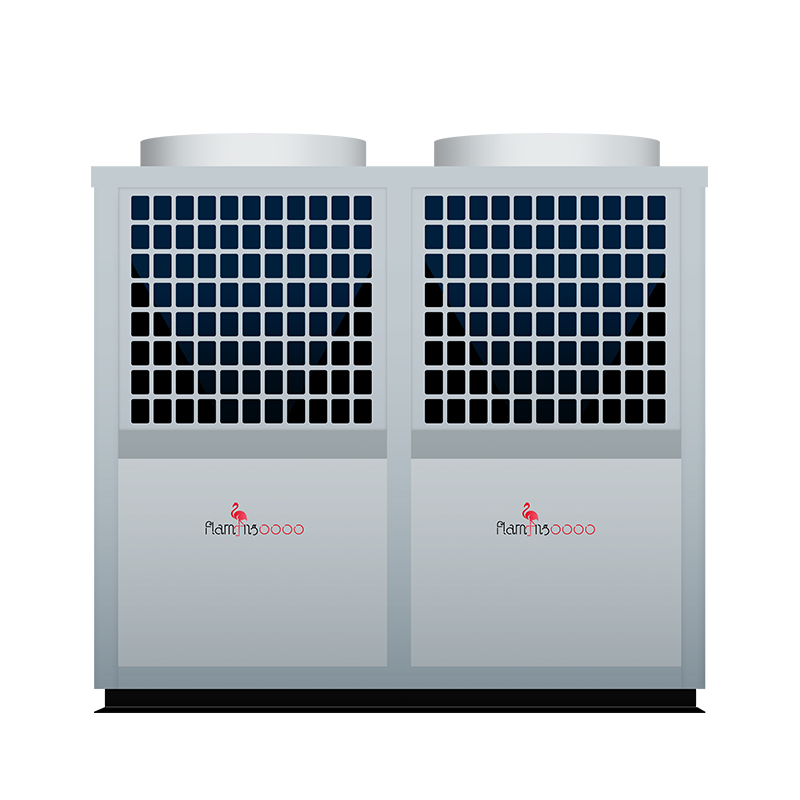
One of the defining strengths of CO₂ heat pump technology is its versatility across different industrial environments. Systems can be engineered to match a wide range of capacity requirements, from decentralized installations serving individual processes to centralized solutions supplying entire industrial sites. By recovering and upgrading waste heat, CO₂ heat pumps reduce primary energy demand and improve overall system efficiency.
In industrial settings, heat demand profiles are often complex and highly variable. CO₂ heat pumps are well suited to such conditions due to their ability to operate efficiently across wide load ranges and fluctuating source temperatures. This operational flexibility allows them to be deployed in batch-based production, continuous processes, and multi-shift industrial operations without compromising performance or reliability.
Regulatory considerations further strengthen the case for CO₂-based systems. The ongoing tightening of European F-gas regulations is accelerating the phase-down of high-GWP refrigerants, increasing both compliance costs and long-term risks for conventional heat pump technologies. CO₂, as a natural refrigerant, offers long-term regulatory security and aligns with Europe’s broader environmental policy framework, including climate neutrality targets and industrial decarbonization roadmaps.
From a system design perspective, CO₂ heat pumps can be integrated into existing industrial heating architectures with minimal disruption. Hybrid configurations combining heat pumps with conventional boilers or thermal storage systems allow industries to maintain supply security while gradually reducing fossil fuel dependence. This staged transition approach is particularly attractive for industrial operators seeking to balance sustainability objectives with operational risk management.
Technological advancements are also enhancing system performance and reliability. Modern CO₂ heat pump installations increasingly incorporate digital monitoring, predictive maintenance, and intelligent control systems. These features enable real-time optimization of operating parameters, early detection of performance deviations, and improved coordination with other energy assets on-site. As a result, operators benefit from reduced downtime, lower maintenance costs, and improved transparency of energy flows.
From a strategic energy perspective, CO₂ heat pumps support broader energy system integration. They can interact with thermal energy storage, district heating networks, and demand response mechanisms, enabling industrial facilities to respond dynamically to electricity price signals and grid conditions. This flexibility is becoming increasingly valuable as Europe’s energy systems evolve toward higher shares of renewable electricity.
As Europe progresses toward climate neutrality, CO₂ heat pumps are emerging as a mature and future-proof technology for industrial heat decarbonization. Their combination of high efficiency, regulatory compliance, operational flexibility, and system integration capability makes them a key enabler of Europe’s industrial energy transition and long-term competitiveness.
