




High-Temperature CO₂ Heat Pumps Unlocking New Possibilities for Industrial Applications
The decarbonization of industrial heat remains one of the most complex challenges in Europe’s energy transition. A significant share of industrial thermal demand requires temperatures above 80°C, a range traditionally dominated by fossil fuel boilers and steam-based systems. High-temperature CO₂ heat pumps are increasingly demonstrating their ability to address this challenge by delivering reliable, efficient, and low-carbon heat for demanding industrial applications.
CO₂ heat pumps are particularly suited for high-temperature operation due to their transcritical cycle characteristics. Unlike conventional heat pump systems, CO₂ units can achieve high outlet temperatures with stable performance, even under varying load conditions. Hot water supply temperatures of 90°C or higher can be achieved without auxiliary heating, making these systems suitable for process heating, cleaning, sterilization, and pasteurization in industries such as food and beverage, pharmaceuticals, textiles, and chemicals.
A key technical advantage of high-temperature CO₂ heat pumps is their capacity to utilize multiple and variable heat sources. Waste heat from refrigeration systems, industrial cooling processes, compressed air systems, or low-temperature exhaust streams can be recovered and upgraded. This not only improves the overall energy balance of industrial sites but also reduces peak heat demand and reliance on conventional boilers.
System integration plays a crucial role in maximizing performance. CO₂ heat pumps can be configured in parallel with existing heating systems, enabling hybrid solutions that ensure operational reliability while progressively reducing fossil fuel use. Advanced control strategies allow heat pumps to operate optimally under fluctuating process demands, ensuring high coefficients of performance (COP) across a wide operating range.
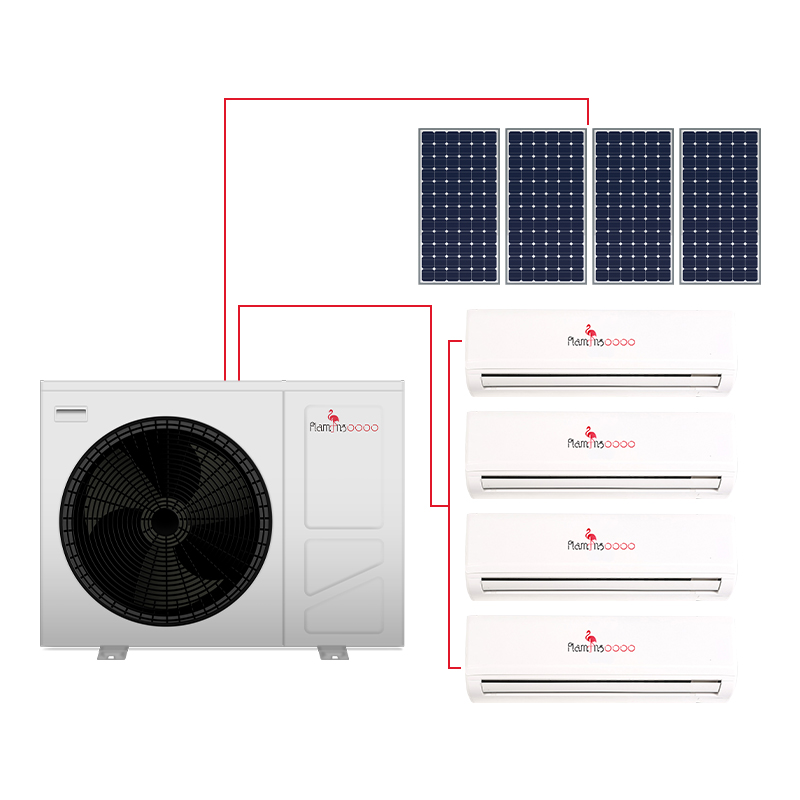
From an energy system perspective, high-temperature CO₂ heat pumps support the ongoing electrification of industrial heat. As Europe’s electricity mix continues to decarbonize, electrically driven heat pump systems offer a direct pathway to reducing greenhouse gas emissions. When combined with renewable electricity sources, such as on-site solar or wind power, CO₂ heat pumps can enable near-zero-emission heat supply for industrial processes.
As industries face increasing pressure from energy costs, emissions regulations, and sustainability commitments, high-temperature CO₂ heat pumps are transitioning from pilot projects to large-scale deployment. Their ability to deliver high-grade heat efficiently and reliably positions them as a cornerstone technology for the future of industrial heating.
