
Post‑Exhibition Surge: Flamingo Welcomes Waves of Customers from Central Asia and Russia – Strong Demand for PV‑Direct Heat Pumps Along the Belt and Road
Successful Beijing Exhibition Attracts Global Visitors
In April 2026, the much‑anticipated China International Trade Fair for Heating, Ventilation, Air‑Conditioning, Sanitation and Home Comfort Systems (ISH China & CIHE) concluded successfully at the China International Exhibition Center in Beijing. As a professional heat pump manufacturer, Flamingo made a strong appearance with a range of star products. The booth was vibrant, attracting numerous industry professionals from home and abroad. During the exhibition, Flamingo held in‑depth discussions with customers from more than ten countries, including Russia, Kazakhstan, Uzbekistan, and Tajikistan. The company received over 300 domestic and international visitors and generated more than 40意向 cooperation projects, achieving fruitful strategic cooperation intentions.
Right after the exhibition, Flamingo experienced wave after wave of international clients making special trips to visit our factory. Delegations from Russia, Kazakhstan, Uzbekistan, Tajikistan and other countries traveled to Flamingo’s headquarters and production base. They conducted thorough inspections of our R&D capabilities, manufacturing processes, quality control systems, and product performance. Over several weeks, Flamingo’s engineering team engaged in deep exchanges with customers regarding local climate conditions, energy structures, building types, and user needs, jointly exploring optimal heat pump system solutions. Clients highly praised Flamingo’s outstanding product quality, innovative technology, and comprehensive after‑sales service, expressing strong interest in long‑term cooperation.
General Manager of Flamingo commented:
“The success at the Beijing exhibition and the subsequent factory visit boom are clear recognition of Flamingo’s brand strength and product quality by the international market. We sincerely thank our partners from Central Asia and Russia for their trust and support. Moving forward, Flamingo will continue to uphold the philosophy of ‘innovation‑driven technology, quality‑and‑service‑first.’ We will keep increasing R&D investment, launching more efficient, smarter, and more environmentally friendly heat pump products, and providing global customers with one‑stop clean energy heating and cooling solutions. We are committed to contributing to the green and low‑carbon transformation of countries along the Belt and Road.”

Russian customers
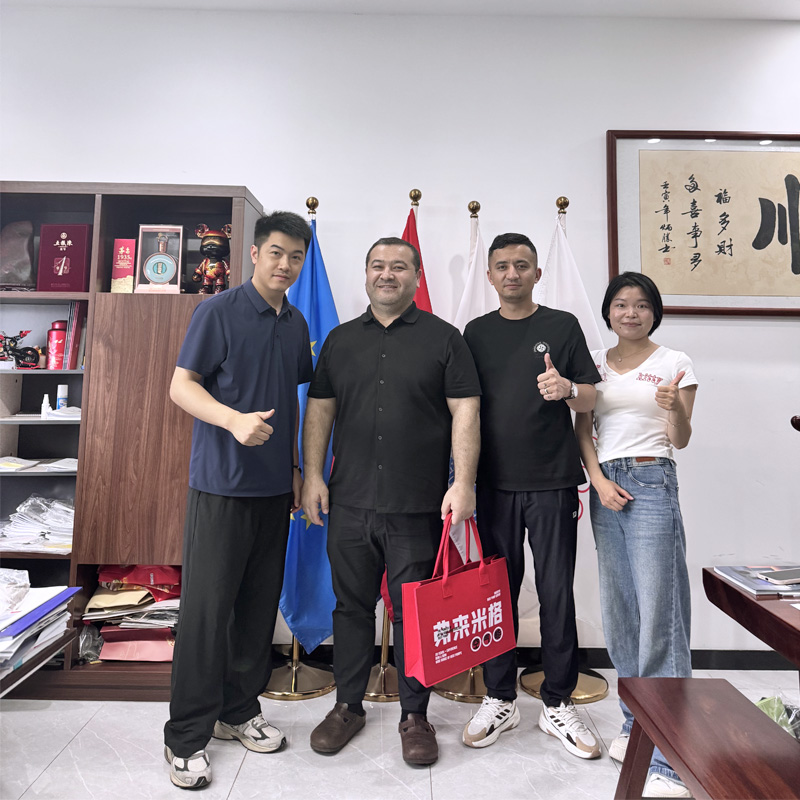
Uzbekistan customers
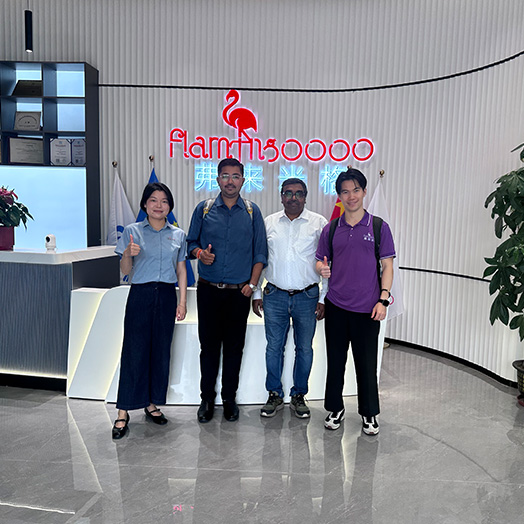
Indian customers
In‑Depth Analysis of the Heat Pump Market in Central Asia and Russia
Central Asian countries and Russia are currently at a critical stage of energy transition and infrastructure upgrade. Aging traditional heating systems, tight natural gas supply, volatile energy prices, and carbon neutrality goals are jointly driving rapid growth in demand for heat pump products. Below is a detailed analysis of heat pump markets in Central Asia and Russia, with a focus on Uzbekistan, Kazakhstan, Tajikistan, and Russia – covering current status, policy drivers, opportunities, and challenges.
Central Asia Heat Pump Market: A Core Arena for Energy Transition
Central Asia has a harsh continental climate – long, cold winters and hot, dry summers. Heating and cooling are near‑essential for residents and commercial buildings. For decades, district heating systems have dominated, relying mainly on natural gas and coal. These systems suffer from aging equipment, high leakage rates, and severe energy waste. According to the World Bank, district heating in Central Asia is generally outdated, mostly gas‑ or coal‑fired, and tightening gas supply makes new gas heating systems impractical.
Against this backdrop, heat pump technology – with its high efficiency, energy savings, and low emissions – has become a key enabler of energy transition in Central Asia. According to the International Energy Agency (IEA), heat pump coefficients of performance (COP) range from 3.0 to 5.0, far exceeding traditional boilers and air conditioners, thus significantly reducing energy consumption and carbon emissions.
As governments roll out incentive policies and industry standards, the Central Asian heat pump market is poised for unprecedented growth. In 2025, demand for new energy, energy efficiency, and environmental protection products in the five Central Asian countries continued to rise. It is expected that in the second half of 2025, products such as air‑source heat pumps, solar thermal systems, PV modules, and energy storage will see procurement peaks. For example, AQUA‑THERM ALMATY – the largest HVAC&R exhibition in Central Asia – attracted 322 exhibitors from 18 countries and 14,900 visitors in 2025, covering about 80% of procurement demand in the region, fully demonstrating the huge potential and activity of the local HVAC market.
Uzbekistan: Policy‑Driven Heat Pump Market Leader
Uzbekistan has the largest population and leading economy in Central Asia. In recent years, infrastructure upgrades have unleashed massive demand for HVAC, water treatment, and renewable energy equipment. The Uzbek government attaches great importance to energy efficiency and has introduced a series of major policies that lay a solid foundation for explosive heat pump market growth.
1. Strong policy incentives.
On March 27, 2024, the President of Uzbekistan signed a decree “On Measures to Improve the State Management System in the Field of Energy Efficiency and Develop the Market for Energy Service Companies,” establishing the National Agency for Energy Efficiency. According to the decree, from July 1, 2025, the government will provide subsidies covering 20% of the cost of solar panels and solar collectors, and 40% of the cost of heat pump systems (air‑source, water‑source, and ground‑source), with the subsidy not exceeding 50 times the basic calculation unit (BHM). The government will also introduce “green” technical standards for manufacturers and importers of energy‑efficiency products and set up an Energy Efficiency Incentive and Support Fund.
2. Mandatory installation in new buildings.
From June 1, 2025, new heating supply requirements will take effect in Uzbekistan – all new and renovated buildings must be equipped with solar panels, water heaters, and heat pumps. At the same time, district heating systems will gradually transition to closed‑loop systems. These mandatory requirements apply to all construction projects regardless of funding source, including budget funds, international financial institution loans, public‑private partnerships, and private investments. The government also plans to install solar panels in about 250,000 facilities (including 150,000 residential units) by 2025 and connect 135,000 newly built apartments to district heating. These mandates mean heat pumps are shifting from optional to standard equipment in new buildings, creating enormous market potential.
3. Opportunities and challenges.
With policy dividends unfolding, Uzbekistan is becoming the fastest‑growing and most attractive heat pump market in Central Asia. For Flamingo, demand for PV‑direct heat pumps is particularly strong – the government subsidizes both solar panels and heat pumps, making “PV + heat pump” combined systems very economical. However, companies must pay attention to local certification requirements, technical standards, and service network development to ensure quick and compliant market entry.
Kazakhstan: Central Asia’s Largest HVAC Market
Kazakhstan has the largest economy in Central Asia and is a key node of the Belt and Road Initiative as well as a major transit hub for China‑Europe rail freight. Its heat pump and HVAC market is a bellwether for the region.
1. Growing market size.
In 2025, the total building materials market in Kazakhstan exceeded 600 billion tenge, with domestic manufacturers’ market share rising to 70% (up 7 percentage points from the previous year). The market is still in early development, with huge growth potential. The government issued the “2024‑2027 National Infrastructure Development Plan,” which will launch over 200 large infrastructure projects in transportation, industrial parks, electricity, housing, water conservancy, and other fields over the next three years, directly driving demand for HVAC equipment.
2. Green finance supporting heat pump adoption.
Kazakhstan actively promotes its green economy strategy by partnering with international financial institutions to provide financing support for energy‑efficient equipment. For example, the European Bank for Reconstruction and Development’s (EBRD) Green Economy Financing Facility (GEFF) offers low‑interest green loans to homeowners and developers for purchasing energy‑efficient HVAC systems, including air‑source heat pumps. In April 2025, the International Finance Corporation (IFC) and Kazakhstan’s Ministry of Energy jointly held a workshop on “Decarbonisation of Heating and Cooling with Ground‑Source Heat Pumps,” discussing the prospects for geothermal heat pumps in Kazakhstan. Deputy Minister of Energy Sungat Yessimkhanov noted that ground‑source heat pumps offer a promising path for Kazakhstan’s sustainable energy development, especially considering the country’s international climate commitments. Experts pointed out that promoting ground‑source heat pumps can significantly reduce carbon emissions from the building and utility sectors while enhancing regional energy independence and resilience.
3. Extreme climate demands high‑performance heat pumps.
Winters in Kazakhstan are harsh, with temperatures in some areas dropping below ‑40°C. This climate places high demands on heat pump low‑temperature performance, creating a competitive edge for manufacturers with efficient low‑temperature heating technology.
Tajikistan: Early‑Stage Market with Great Potential
Tajikistan is a mountainous country with a variable climate – long, cold winters and warm summers. This creates significant seasonal heating and cooling needs. Although the current heat pump market is small, its unique geothermal resources and strong interest from international financial institutions make it a promising emerging market.
1. Early stage, huge growth space.
Tajikistan’s air‑source heat pump industry is still in its infancy, with low market concentration. According to the country’s statistical agency, the market size is about USD 1 million, and the top five players together hold only about 30% market share – indicating fragmentation and huge growth potential. The ground‑source heat pump market is growing steadily, driven by increasing consumer awareness of energy efficiency and sustainability, as ground‑source heat pumps are gaining popularity due to their cost savings and carbon emission reductions.
2. Active involvement of international financial institutions.
The International Finance Corporation (IFC), part of the World Bank Group, is actively promoting ground‑source heat pump projects in Tajikistan. In March 2025, the IFC issued a tender seeking a consulting firm to develop a model for a sustainable, affordable, and reliable fifth‑generation networked ground‑source heat pump (NGSHP) heating and cooling system for Tajikistan. The IFC report notes that Tajikistan’s mountainous terrain and continental climate are highly suitable for ground‑source heat pump technology. Although the country’s shallow geothermal potential is enormous, it remains largely untapped, presenting a great opportunity to reduce fossil fuel dependence and improve energy security. Additionally, the country relies heavily on hydropower, but electricity supply is increasingly unable to meet growing demand. Over 900 small coal‑fired boilers still operate in hospitals and schools – these will gradually be replaced by heat pumps.
3. Policy guidance and technical challenges.
The Tajik government has formulated a “Renewable Energy Development Program,” explicitly including heat pump technology as a renewable energy category with corresponding policy support and financial subsidies. However, challenges remain, including high upfront investment, shortage of trained technicians, and unstable power supply. This creates room for differentiation by suppliers with strong technical support and comprehensive services. Notably, demand for cold‑climate air‑source heat pumps (ASHP) is growing in Tajikistan – products that maintain high efficiency in extremely low temperatures are well‑suited to local needs.
Russia: A Vast Energy Transition Market
Russia’s vast territory and severe climate create huge heating demand. The Russian heat pump market is experiencing steady growth, driven by rising energy efficiency awareness and the shift to sustainable heating solutions. The Russian government actively promotes renewable energy and carbon reduction, which is a major driver for air‑source heat pump adoption in residential buildings.
1. Steady market growth.
According to an IndexBox report, the Russian heat pump market grew significantly in 2025 and is expected to continue rising. In major cities like Moscow and St. Petersburg, efficient heating methods such as heat pump air conditioners and underfloor heating are rapidly spreading, with average annual market growth of 15%.
2. Diversified heating and supportive policies.
Russia has abundant electricity resources (mainly thermal and hydro), and relatively low power costs – favorable for electric heating and heat pumps. Government subsidies and regulations are also promoting the adoption of renewable energy technologies. With urbanization at 75% and real estate investment growing 8% year‑on‑year in 2024, demand for HVAC systems is rising. Moreover, global warming is increasing the number of hot summer days in Russia, making the cooling function of heat pumps increasingly important.
3. Import substitution creates strategic opportunities for Chinese companies.
Russia’s domestic refrigeration equipment production capacity is limited, with imports accounting for over 30% of the market. Previously reliant on European brands, the cost of importing European products has risen sharply due to geopolitical factors, creating a historic opportunity for Chinese companies to fill the gap. Many of Russia’s top refrigeration equipment distributors have begun cooperating with Chinese manufacturers to purchase high‑cost‑performance refrigeration units and components. In the residential air‑source heat pump market, major players are focusing on product innovation, such as improved energy efficiency and smart technology integration, to meet evolving consumer demands. This provides unprecedented market space for Chinese heat pump companies.
4. Low‑temperature operation is the key challenge.
The core requirement for heat pump products in the Russian market is reliable operation at very low temperatures (below ‑30°C), which also forms a key technical barrier and competitive differentiator. Products with low‑temperature high‑efficiency heating technology and GOST certification will have a significant competitive advantage.
PV‑Direct Heat Pumps: The Future Choice for Central Asia and Russia
In the markets discussed above, the main pain points for heat pumps are energy cost and power supply stability. On one hand, electricity bills for conventional electric heat pumps are a considerable expense for households and businesses. On the other hand, in parts of Central Asia and Russia, the grid is relatively weak, and power fluctuations are frequent, affecting stable heat pump operation. PV‑direct heat pumps, with their unique technical advantages and significant energy savings, are becoming the most attractive heating and cooling solution for these regions.
What is a PV‑Direct Heat Pump?
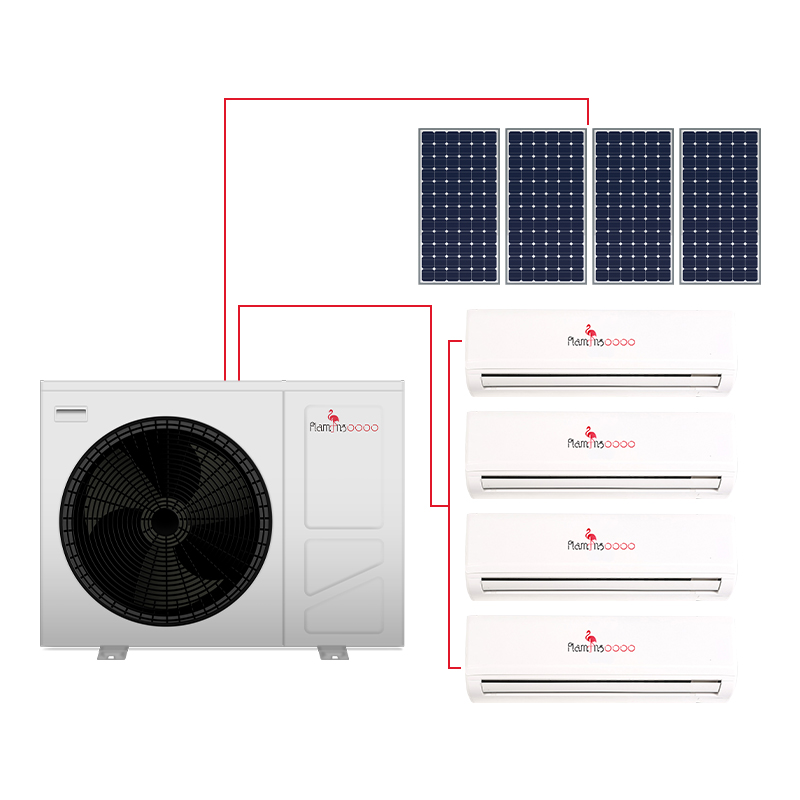
A PV‑direct heat pump is a new type of high‑efficiency energy‑saving equipment that deeply integrates photovoltaic power generation with heat pump technology. Its core principle is to use the direct current (DC) electricity produced by PV panels – without complex grid‑connection conversion – to directly drive the heat pump unit. The heat pump has two power inputs: AC mains and DC PV power. Operating under a “PV priority, mains supplement” logic, the system gives priority to PV power, which can account for up to 100% of the energy used. When sunlight is insufficient, the system automatically supplements with mains power as needed to maintain stable operation.
In terms of workflow, PV panels absorb sunlight and convert it into DC electricity, which directly powers the heat pump. The heat pump then transfers heat: in summer, it moves heat from indoors to outdoors for cooling; in winter, it absorbs heat from outdoor air and transfers it indoors for space heating or domestic hot water production.
Key Technical Advantages of PV‑Direct Heat Pumps
1. Direct drive reduces energy losses.
Conventional heat pump systems require converting PV DC to AC via an inverter before driving the compressor (DC‑AC‑DC conversion), causing about 5‑10% energy loss at each conversion. PV‑direct heat pumps, by contrast, use DC directly to drive a DC inverter compressor, eliminating the intermediate inverter step and reducing conversion losses. PV utilization is 10‑15% higher than with inverter‑fed systems.
2. “PV priority, mains supplement” ensures 24/7 stable operation.
The system incorporates a PV control module with Maximum Power Point Tracking (MPPT) technology, which continuously monitors the PV output voltage and automatically adjusts for the best voltage and current to maximize PV power utilization. When PV supply is insufficient, mains power intelligently supplements, ensuring stable operation even at night or on cloudy days. This feature is especially valuable in Central Asia and Russia – the region has abundant solar resources (e.g., Central Asia averages 2,500‑3,000 sunshine hours per year), but grid stability varies. PV‑direct technology addresses both economy and reliability.
3. No energy storage needed – significantly lower initial investment.
PV‑direct heat pump systems have no storage components, eliminating inverters and batteries, which greatly reduces upfront equipment costs. Installation is simple: connect PV panels in series/parallel arrays, then connect the positive and negative leads to the heat pump’s PV input port – no complex training required.
4. Outstanding economic benefits – short payback period.
PV‑direct heat pumps can drastically reduce operating electricity costs, with peak savings reaching 95‑99%. In commercial and industrial applications, where electricity prices are higher, the payback period is even faster. Under good sunshine conditions, the initial investment in PV installation can be recovered within 1‑2 years. The world’s largest PV‑direct heat pump project – a 250,000 m² district heating and cooling project in Kashgar, Xinjiang – has achieved about two‑thirds reduction in monthly electricity bills, fully validating the technology’s economic viability.
Application Prospects in Central Asia and Russia
Central Asian countries and Russia generally enjoy abundant sunshine and long日照 hours, providing ideal natural conditions for promoting PV‑direct heat pumps. For example, Uzbekistan subsidizes 20% of the cost of solar panels alongside heat pump subsidies, making “PV + heat pump” systems much more affordable. In Kazakhstan, green loan facilities can cover both PV systems and heat pump equipment, further reducing user burdens. In Tajikistan, power shortages and grid instability give PV‑direct heat pumps a unique advantage – even with limited grid supply, as long as sunlight is available, the system can operate independently using PV generation, ensuring heating and hot water supply.
As government subsidies for renewable energy and energy‑efficient equipment continue to increase, the market penetration of PV‑direct heat pumps is expected to grow exponentially in the coming years. Especially in Central Asia and Russia – regions with high traditional heating costs and urgent energy transition needs – PV‑direct heat pumps are set to become a preferred solution for clean heating.
Flamingo’s Global Strategy and Product Strengths
Dedication to Heat Pump Technology Innovation
Since its founding, Flamingo has focused on R&D and manufacturing of high‑efficiency, energy‑saving heat pump products. Our portfolio covers air‑source, ground‑source, water‑source, and PV‑direct heat pumps, widely used in residential, commercial, industrial, and agricultural applications for heating, cooling, and hot water. Flamingo has an industry‑leading R&D team and advanced production and testing equipment, with a full‑process quality control system covering product design, core component manufacturing, assembly, and quality inspection. This ensures that every heat pump leaving our factory meets international standards and customer requirements.
Product Advantages and Differentiation
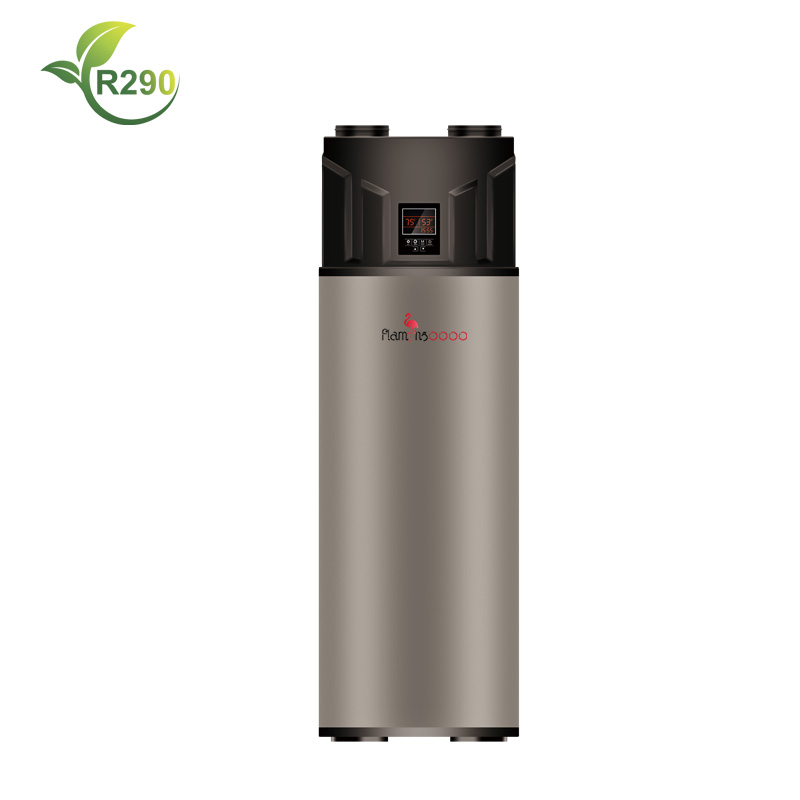
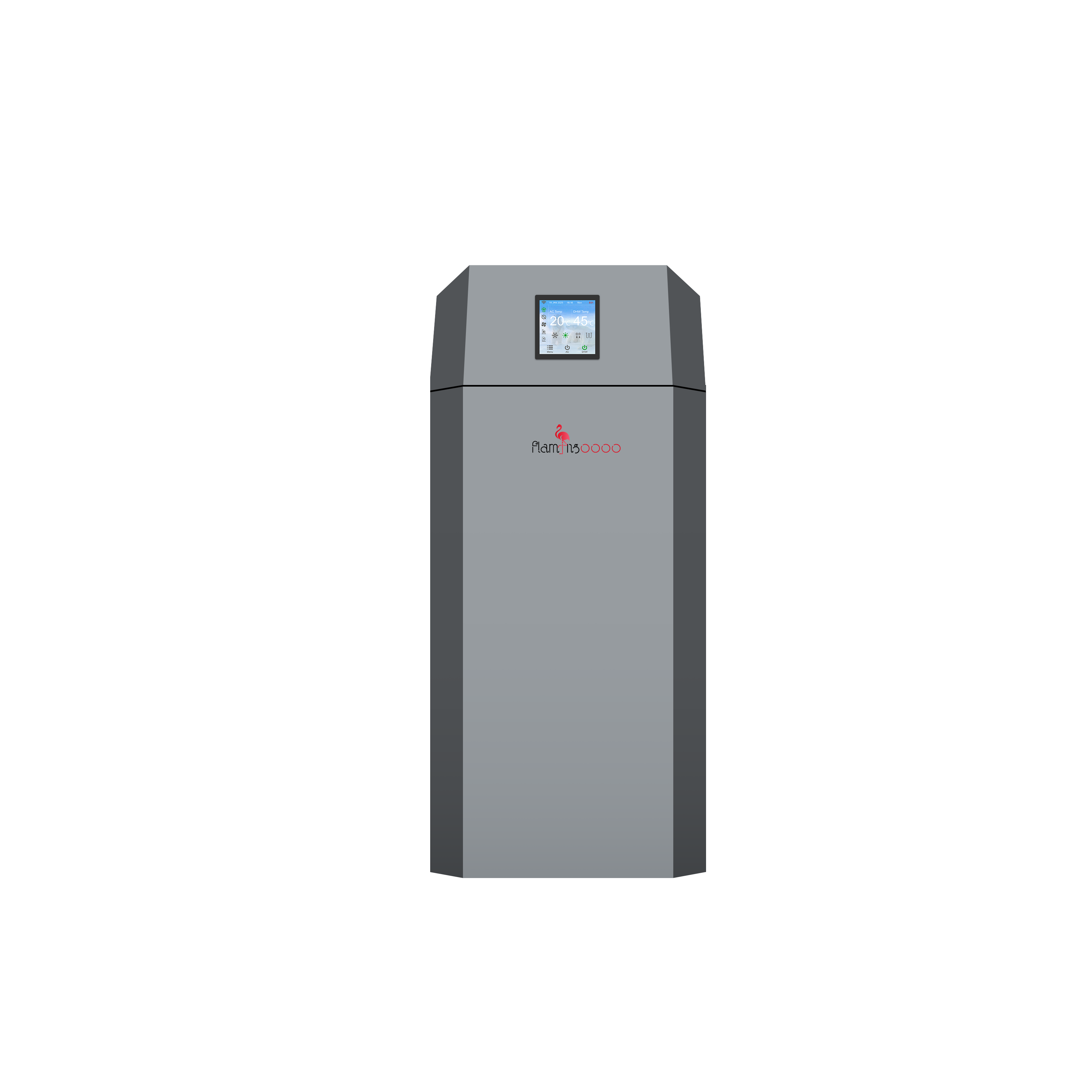
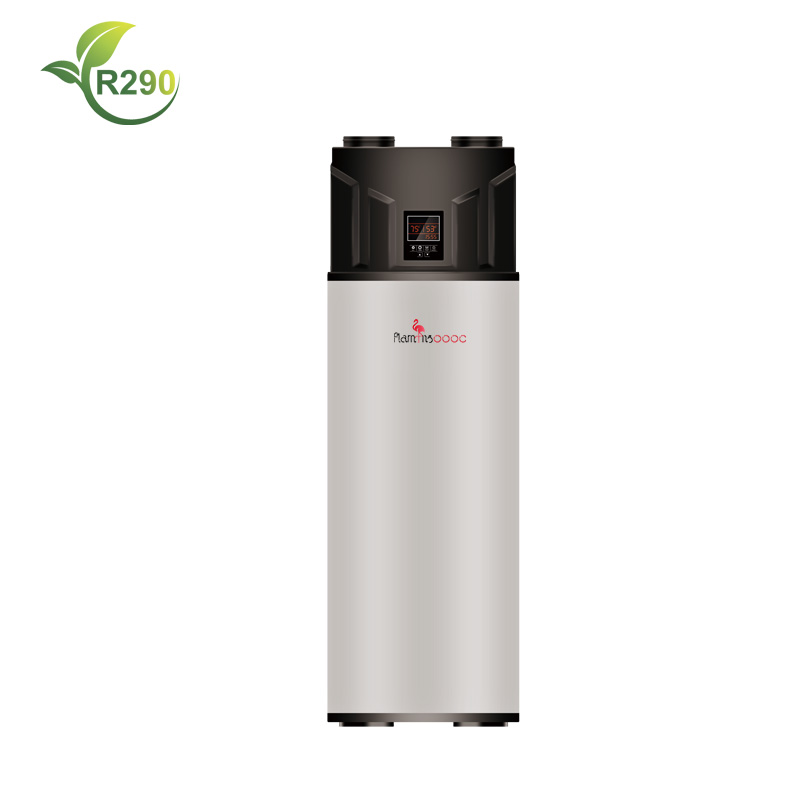
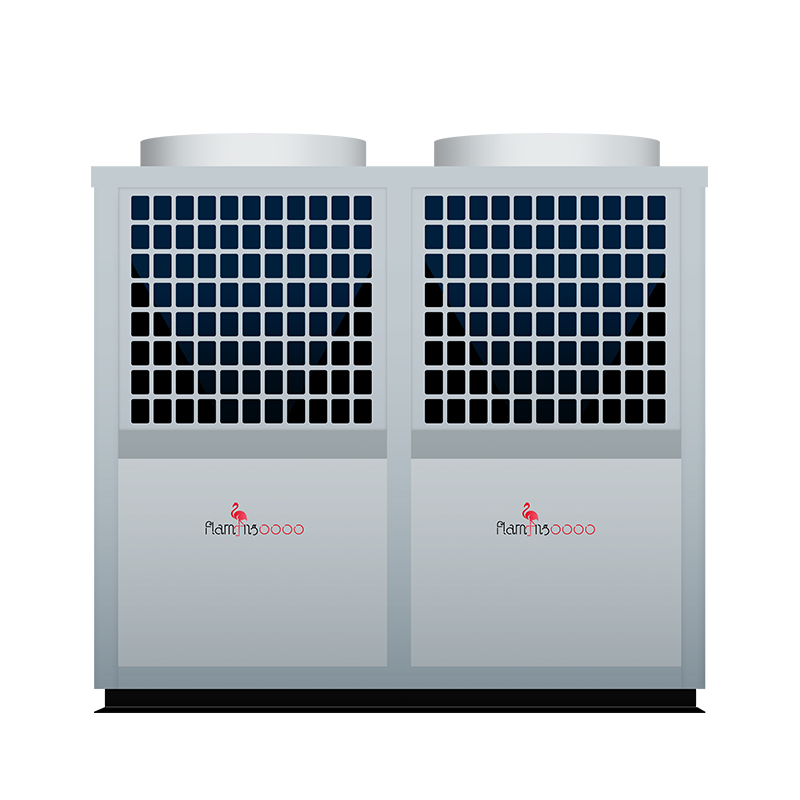
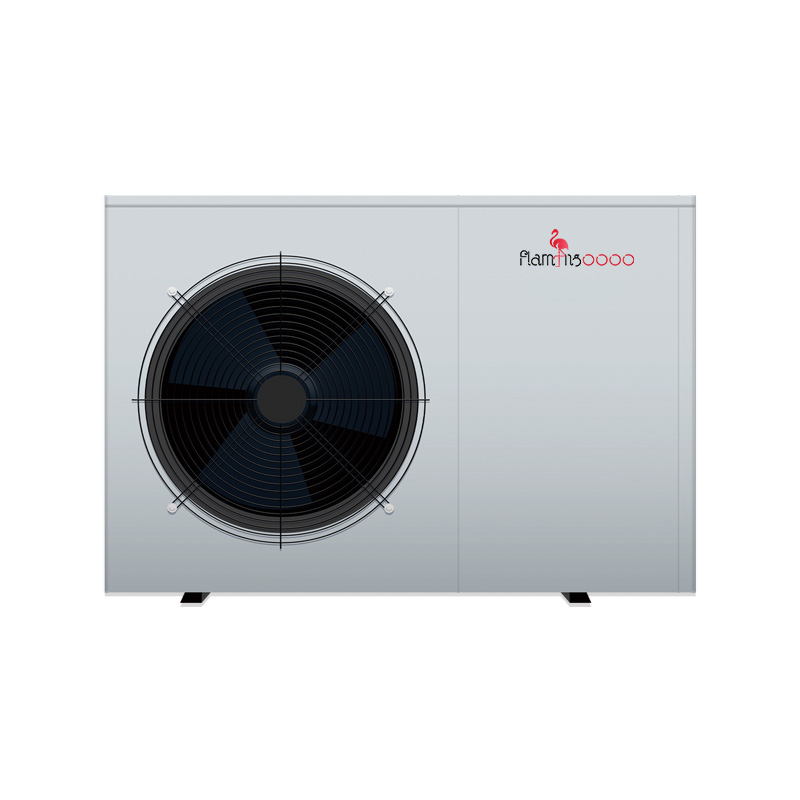
Flamingo heat pumps excel in low‑temperature heating performance, energy efficiency, intelligent control, and reliability. In particular, our cold‑climate air‑source heat pumps (Cold Climate ASHP) operate stably and efficiently at temperatures as low as ‑30°C, fully meeting the heating needs of severely cold regions like Russia and Kazakhstan. Flamingo is also actively developing PV‑direct heat pump technology, integrating PV generation with heat pump systems to provide zero‑electricity‑bill, fully green heating and cooling solutions that significantly reduce customers’ long‑term operating costs.
International Service Network and Market Expansion
Seizing the huge opportunities in Central Asia and Russia, Flamingo is actively building a localized service network. Over the next year, the company plans to establish after‑sales service and technical support centers in key cities, including Moscow (Russia), Almaty (Kazakhstan), and Tashkent (Uzbekistan). These centers will provide local customers with timely installation guidance, technical training, and after‑sales repair services. At the same time, Flamingo is advancing international product certifications, including Russian GOST certification and EAC certification for the Eurasian Economic Union, to ensure smooth market entry.
Customer Factory Visit Highlights
After the successful Beijing exhibition, Flamingo experienced its largest wave of customer visits to date. Delegations from Russia, Kazakhstan, Uzbekistan, Tajikistan, and other countries traveled to Flamingo’s headquarters and production base for on‑site inspections and discussions.
During the visits, the delegations toured Flamingo’s R&D center, production workshops, laboratories, and finished product display areas, observing the entire process from component processing to assembly and performance testing. Customers highly praised Flamingo’s rigorous quality management system and advanced testing equipment. Several customers expressed immediate purchasing intentions and signed memorandums of cooperation.
Looking Ahead: Win‑Win Cooperation on a Green Path
Global action to combat climate change is accelerating. Energy transition and green development have become common goals worldwide. Central Asia and Russia, as important regions along the Belt and Road, face urgent needs in energy restructuring, infrastructure upgrading, and environmental protection. Heat pump technology is one of the key solutions to these challenges.
Flamingo will take the successful Beijing exhibition and the subsequent customer visit boom as an opportunity to further deepen strategic cooperation with partners in Central Asia and Russia. We will continue to increase R&D investment, continuously optimize product performance, improve localized service networks, and provide global customers with even better, more efficient, and greener heat pump products and services.
We firmly believe that as government policy support for clean energy and energy efficiency continues to grow, and as innovative technologies such as PV‑direct heat pumps mature and spread, the heat pump market in Central Asia and Russia will enter a golden period of rapid growth. Flamingo is ready to walk hand in hand with all partners to explore this vast and promising market and contribute to global green and low‑carbon development.
