
Does a Photovoltaic Heat Pump Need Regular Cleaning?
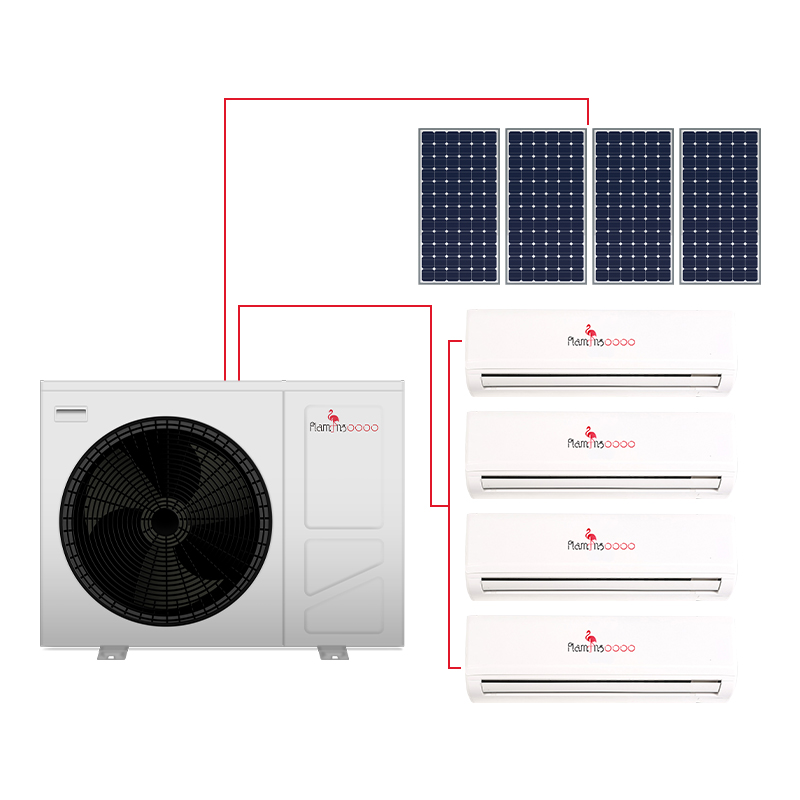
As we advance toward the "Dual Carbon" goals of peak carbon and carbon neutrality, the Photovoltaic Heat Pump—a groundbreaking hybrid of solar PV and heat pump technology—is rapidly gaining traction in residential homes and commercial sectors. By converting solar energy into electricity to power the heat pump while simultaneously absorbing thermal radiation, this system maximizes energy utilization efficiency like never before.
However, as we move through 2025 and witness a surge in new installations, a critical question regarding the system’s lifespan and core performance is often overlooked by end-users: "Does a photovoltaic heat pump need regular cleaning?"
To address this industry-wide concern, our team has interviewed multiple new energy system engineers and consulted authoritative sources, including the "Technical Code for Solar Air Conditioning Systems of Civil Buildings." The findings may surprise you: Regular cleaning is not merely a "recommendation"; it is a "mandatory requirement" for maintaining the economic viability of the entire system.
The Dust Effect: The "Efficiency Killer" You Can’t See
To determine whether cleaning is necessary, we must first understand the physical and chemical impact of dust and grime on a photovoltaic heat pump system.
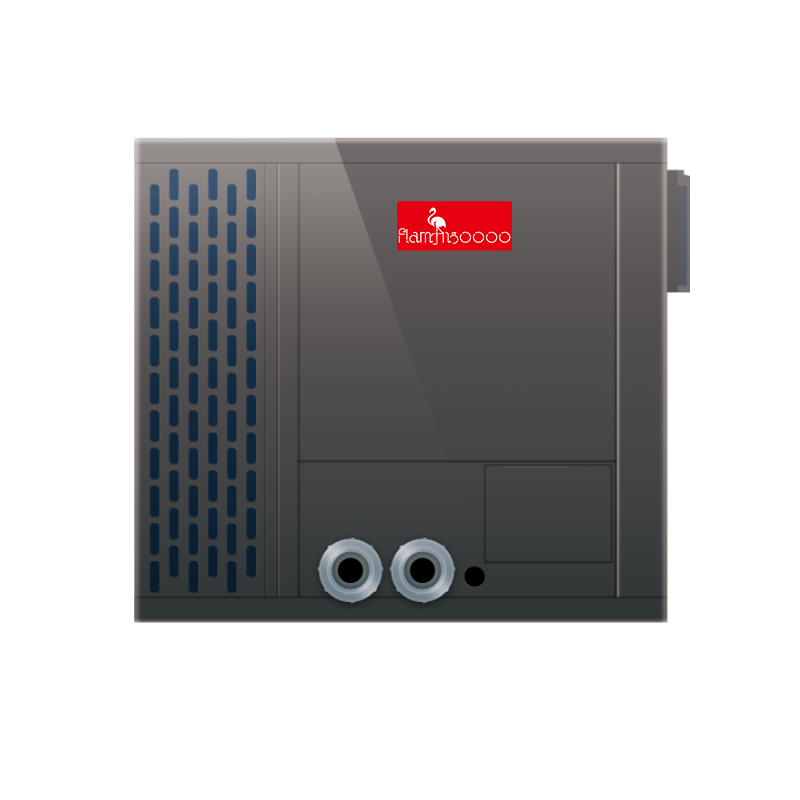
A PV heat pump system typically consists of two core components: the PV/Thermal (PV/T) collectors responsible for capturing solar energy, and the heat pump unit responsible for raising the temperature of that energy. Both components are installed outdoors, subject to years of exposure to sun, wind, and rain.
At the Photovoltaic Module Level:
Dust accumulation is the primary natural enemy of power generation efficiency. When dust, bird droppings, or snow covers the surface of solar panels, it acts like an insulating layer. This not only reduces the transmittance of the glass cover but also causes localized overheating, creating a "hot spot effect." In severe cases, this can permanently damage the solar cells. Studies indicate that in heavily polluted areas, monthly energy losses due to soiling can range from 5% to 20%.
At the Heat Pump Unit Level:
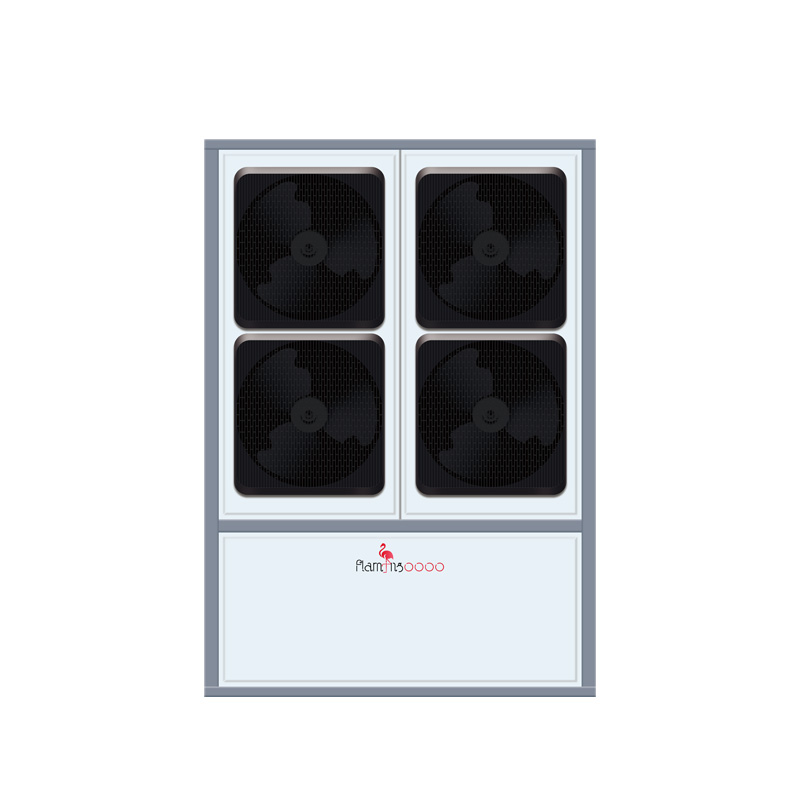
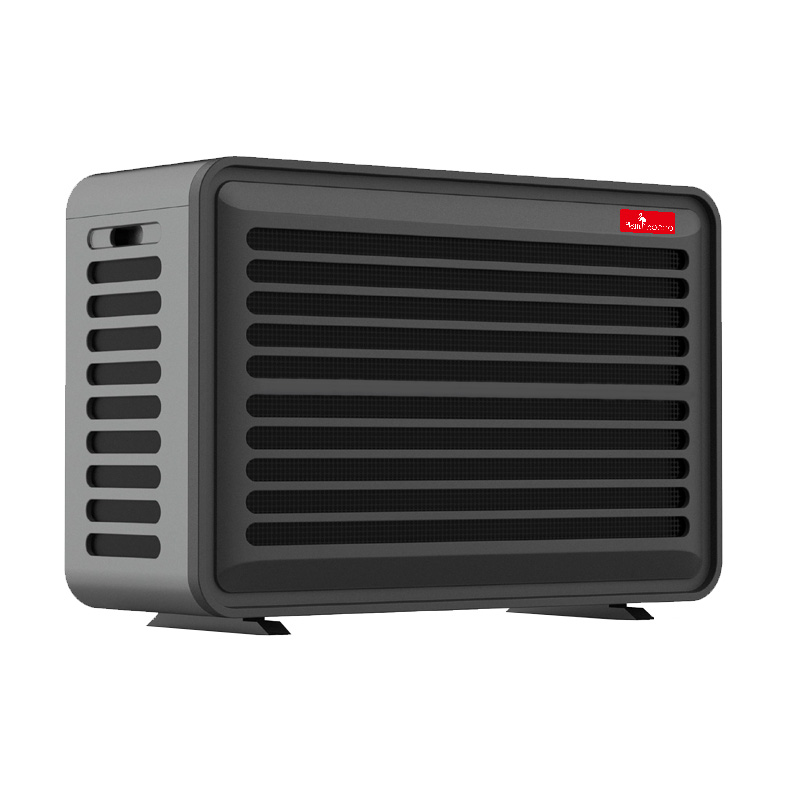
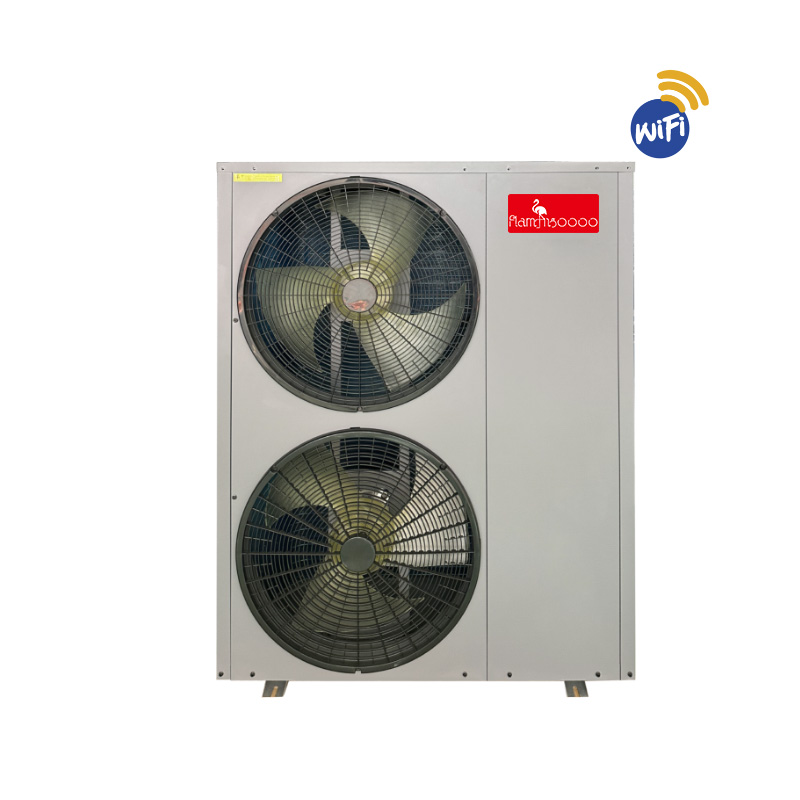
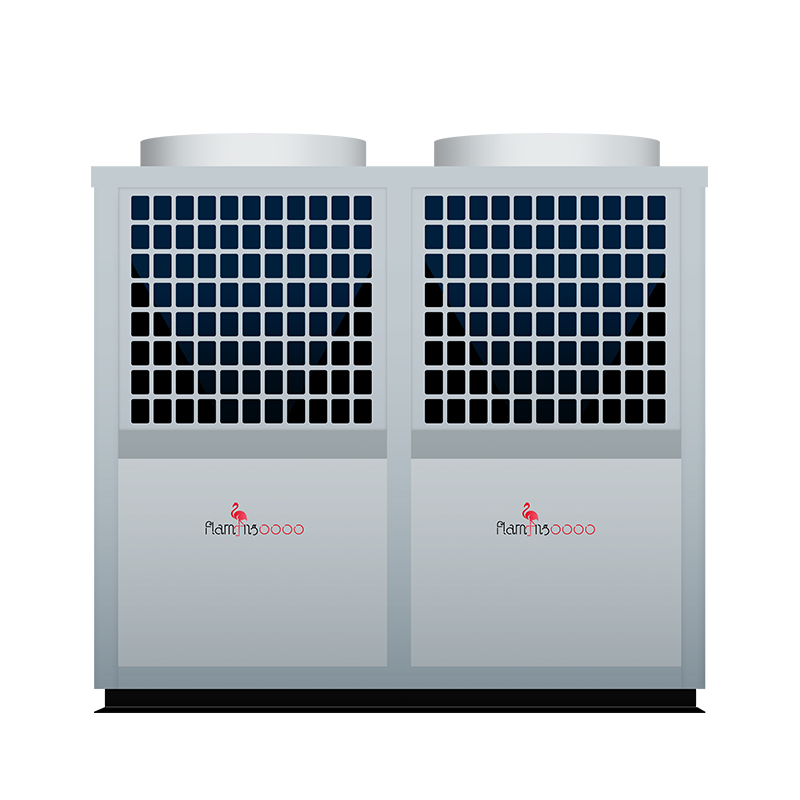
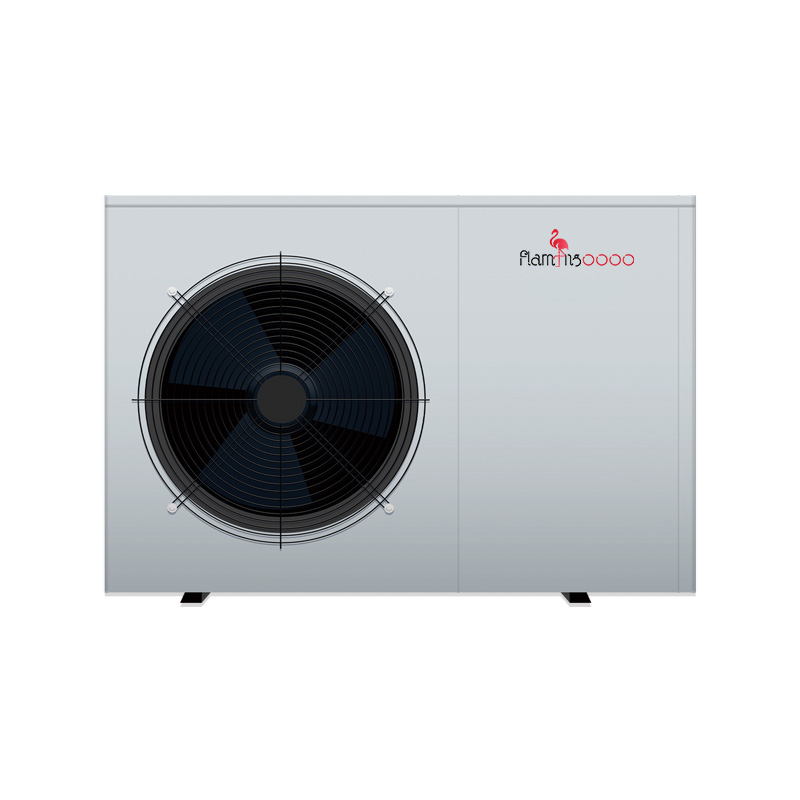
While the heat pump itself doesn't rely on direct light, its core heat exchangers (evaporators and condensers) are critical for thermal transfer. If these fins and coils become clogged with dust, oil, or airborne debris, the heat exchange efficiency plummets. According to technical literature, in severe fouling conditions, the heat exchange efficiency of a heat pump can drop by over 30%. Consequently, the overall Coefficient of Performance (COP) of the system can suffer a cliff-like decline. A poorly maintained photovoltaic heat pump system can consume up to 25% more energy than one that receives regular upkeep.
Expert Interpretation: Not Just Cleaning, But "Scientific Cleaning"
Regarding the question of whether a PV heat pump needs regular cleaning, the answer is a definitive yes. Whether following national standards or corporate technical specifications, regular cleaning is an indispensable part of the system’s lifecycle management.
Article 8.3.2 of the Chinese national standard "Technical Code for Solar Air Conditioning Systems of Civil Buildings" (GB50787-2012) clearly states: "Solar collectors should be comprehensively inspected annually, and the surface of the collectors should be cleaned regularly. " The logic behind this mandatory clause is simple: any accumulation of dust on the collector surface significantly reduces solar absorption efficiency. This forces the auxiliary heat source (the heat pump) to start more frequently, paradoxically increasing electricity consumption and negating the green benefits of the system.
For systems integrating heat pump technology, the maintenance requirements are even more detailed. A professional maintenance plan typically adheres to a "Three-Clean" principle:
1. Clean the "Face": Restoring Photoelectric Conversion Capacity
The transparent cover of PV modules or flat-plate collectors must maintain a high level of clarity. Cleaning should be scheduled for early morning, evening, or overcast days to avoid dousing hot glass with cold water, which can cause thermal shock and cracking. For evacuated tube collectors, in addition to cleaning the glass, technicians must check the vacuum status. If the "getter" (barium flash) turns white, it indicates a loss of vacuum, requiring tube replacement.
2. Clean the "Heart": Ensuring Efficient Heat Pump Operation
The air-source side of the heat pump requires focused attention on the evaporator fins and fan blades. Due to the tight spacing of the fins, they are easily clogged by willow catkins, dust, and pollen. Professional maintenance employs high-pressure washing equipment and specialized chemical cleaners to thoroughly cleanse the fins, ensuring unobstructed airflow and allowing the refrigerant to absorb heat efficiently.
3. Clean the "Veins": Preventing Hydraulic System Blockage
For photovoltaic heat pump systems that utilize water circulation, water quality management is crucial. Due to varying water hardness levels across regions, pipes, water tanks, and internal heat exchangers are prone to scaling over long-term operation. Limescale has a very low thermal conductivity; even a thin layer can cause significant energy waste. It is recommended to perform descaling on the tank and pipelines every six months to a year. This involves circulating a descaling agent under pressure to remove buildup and eliminate bacteria like Legionella, ensuring hygiene at the terminal water points.
Cleaning Cycles and Best Practices
So, how often is "regular"? The cycle depends on the installation environment and local climate conditions.
Recommended Standard Cycles:
PV Modules / Solar Collectors: In dusty urban or industrial areas, cleaning is recommended quarterly. In clean suburban areas or regions with frequent rainfall, the cycle can be extended to semi-annually. If a noticeable drop in power generation or water temperature is observed after a dust storm, immediate cleaning should be arranged.
Heat Pump Unit: It is advisable to perform a comprehensive inspection and cleaning before the peak usage seasons of winter (heating) and summer (cooling). Focus on cleaning the evaporator fins and the condensate drain pan to prevent bacterial growth and ensure the defrost function operates correctly.
Water System Filters: Filters should be cleaned at least once a year. For newly installed systems, it is recommended to check them more frequently during the first year of operation to clear out welding slag and debris introduced during installation.
Methodology for Cleaning:
Manual vs. Automated Cleaning: For small residential systems, owners can use soft cloths and neutral detergents for manual cleaning, avoiding abrasive tools that can scratch the glass. For large commercial and industrial projects, it is best to engage professional maintenance teams equipped with aerial lift equipment or install automated cleaning robots.
Safety First: The system power must be completely disconnected before any cleaning begins. When cleaning the heat pump unit, special care must be taken to protect the electrical control components from water ingress.
Deep Maintenance: More Than Just Cleaning
The cleaning window is also the perfect opportunity to conduct a comprehensive "physical examination" of the system. Professional service providers often perform the following critical checks simultaneously with the cleaning process:
Electrical Safety Inspection: Check for aging power cables, verify the sensitivity of residual current devices (RCDs), and ensure the grounding system is intact. PV heat pumps involve high-voltage DC and AC electricity, making electrical safety paramount.
Refrigerant System Check: By monitoring the compressor's operating current and system pressure, technicians can diagnose potential refrigerant leaks. Insufficient refrigerant is a leading cause of poor heating performance and compressor burnout.
Mechanical Structure Tightening: Inspect fan blades for balance and check all mounting bolts for looseness. A heat pump that has become "noisy" often indicates wear or looseness in mechanical components.
Control System Calibration: Verify the accuracy of temperature sensors and the functionality of the control panel display. Sensor drift can lead to misjudgment by the system, causing frequent start-stop cycles and wasting electricity.
Case Study: The Economic Impact of Regular Maintenance
To illustrate the point more concretely, consider a comparison between two industrial photovoltaic heat pump projects located in the same region:
Project A (Regular Maintenance): Strictly adhered to quarterly PV panel cleaning and semi-annual heat pump cleaning. After five years of operation, the measured power generation efficiency of the PV array remained at 95% of its出厂 (factory new) rating. The heating COP of the heat pump remained consistently above 3.8.
Project B (Neglected Maintenance): Had not received professional cleaning in three years since installation. The PV panels were covered with a stubborn layer of industrial grime and bird droppings. Measured power generation efficiency had degraded by 25%. The heat pump evaporator was severely clogged, leading to high compressor discharge temperatures. The COP had plummeted to below 2.5, and the system frequently triggered high-pressure protection alarms, leading to downtime.
The conclusion is obvious: While regular cleaning incurs minor labor or service fees, compared to the cost of a 25% increase in energy bills and the potential expense of replacing a burned-out compressor (which can run into thousands of dollars), this maintenance is an incredibly cost-effective "health investment."
Conclusion: Long-Term Efficiency Starts with Daily Care
Returning to our original question: "Does a photovoltaic heat pump need to be cleaned regularly?"
The answer is: Yes, it absolutely does.
As a long-life, high-value new energy asset, the "high efficiency" label of a photovoltaic heat pump system is not a permanent state. It requires the user to provide regular cleaning and maintenance, much like caring for precision machinery. In our pursuit of a green, low-carbon future, we must focus not only on the front-end selection and installation of equipment but also on the back-end operation and maintenance.
At [Your Company Name], we firmly believe that "installation is the starting point, but service is the endless journey." We recommend that all PV heat pump users incorporate system cleaning into their annual schedule or consider signing a托管 (full-service) contract with a professional maintenance provider. Only through diligent upkeep can we ensure that these green energy systems operate at peak performance throughout their 15 to 20-year lifecycle, continuously generating economic and environmental benefits for their owners.
If you have any questions about the daily maintenance of your photovoltaic heat pump or wish to schedule a professional cleaning service, please feel free to contact the [Your Company Name] after-sales service center. Our team of certified engineers is ready to provide you with a customized, full-lifecycle management solution.
