
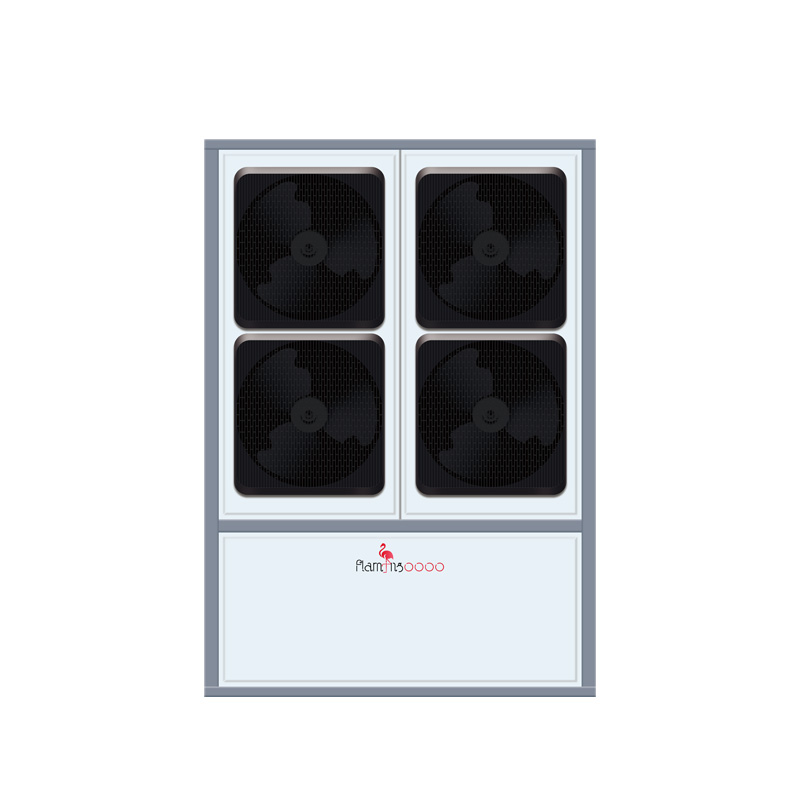
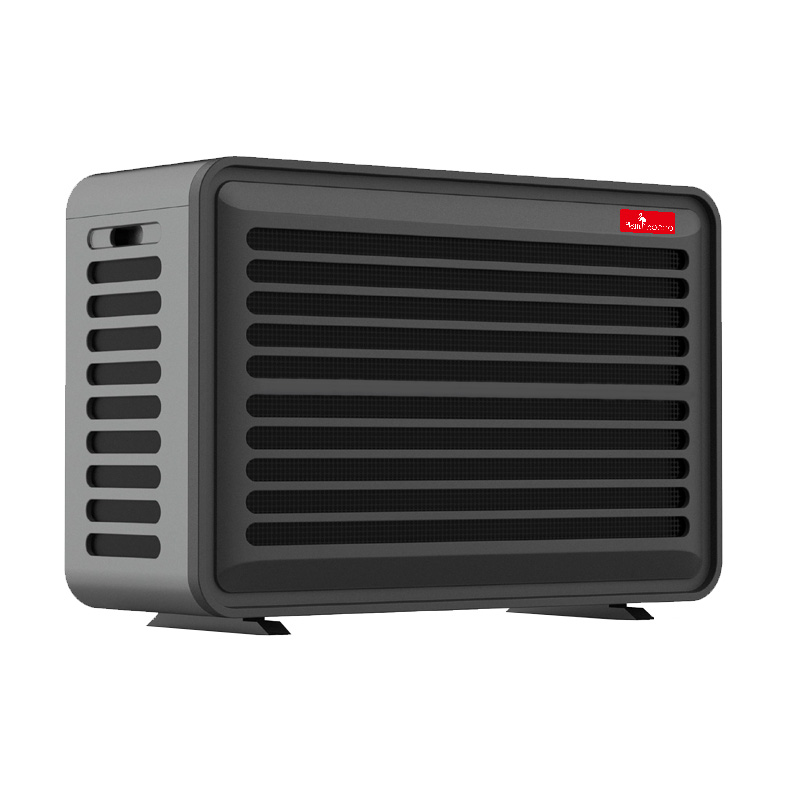
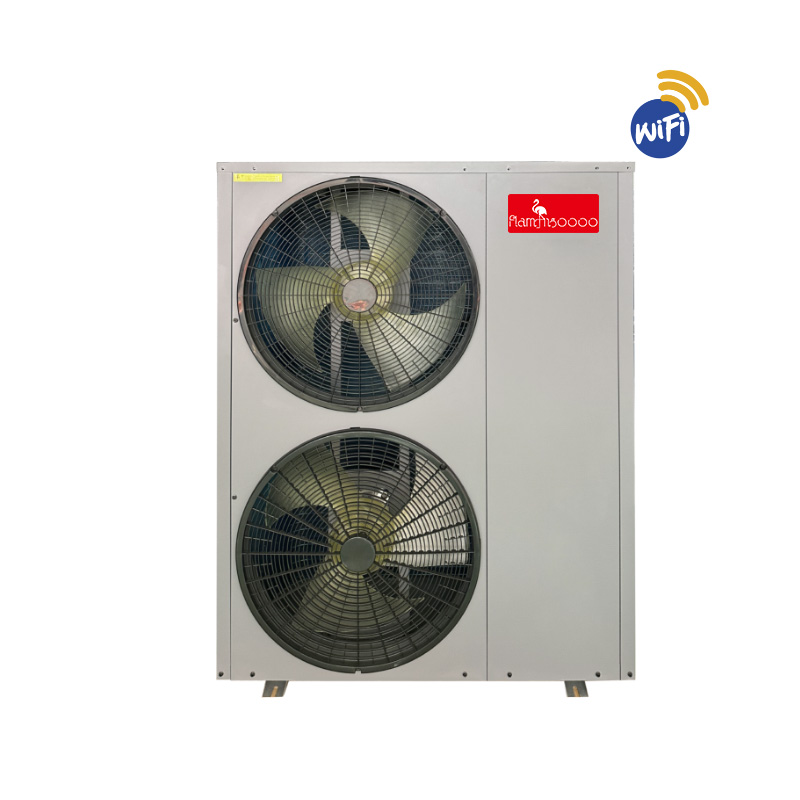
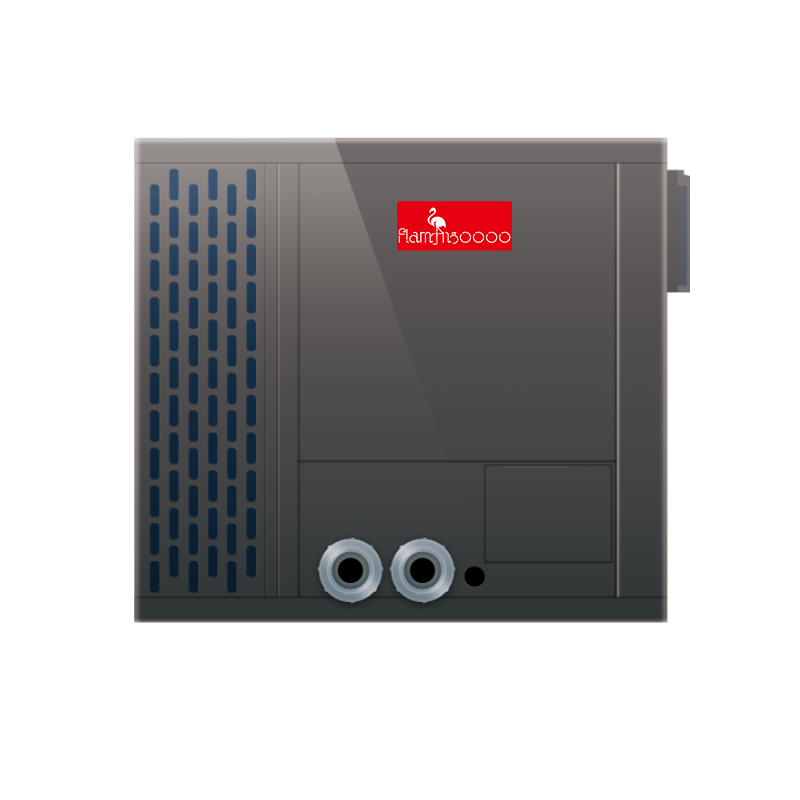
The Difference Between CO₂ and R290 Heat Pumps: Which One Is Right for You?
As the world moves toward greener heating solutions, two refrigerants have become the focus of high-temperature heat pump technology: R290 (propane) and CO₂ (R744). Both are low-GWP, natural refrigerants that comply with strict environmental regulations, yet they behave very differently in real-world applications. Understanding their differences is essential for homeowners, commercial users, and installers who need reliable high-temperature hot water or space heating.
Here is a clear, side-by-side comparison based on Flamingo’s latest R290 and CO₂ heat pump series.
1. Refrigerant Properties
| Item | R290 (Propane) | CO₂ (R744) |
|---|---|---|
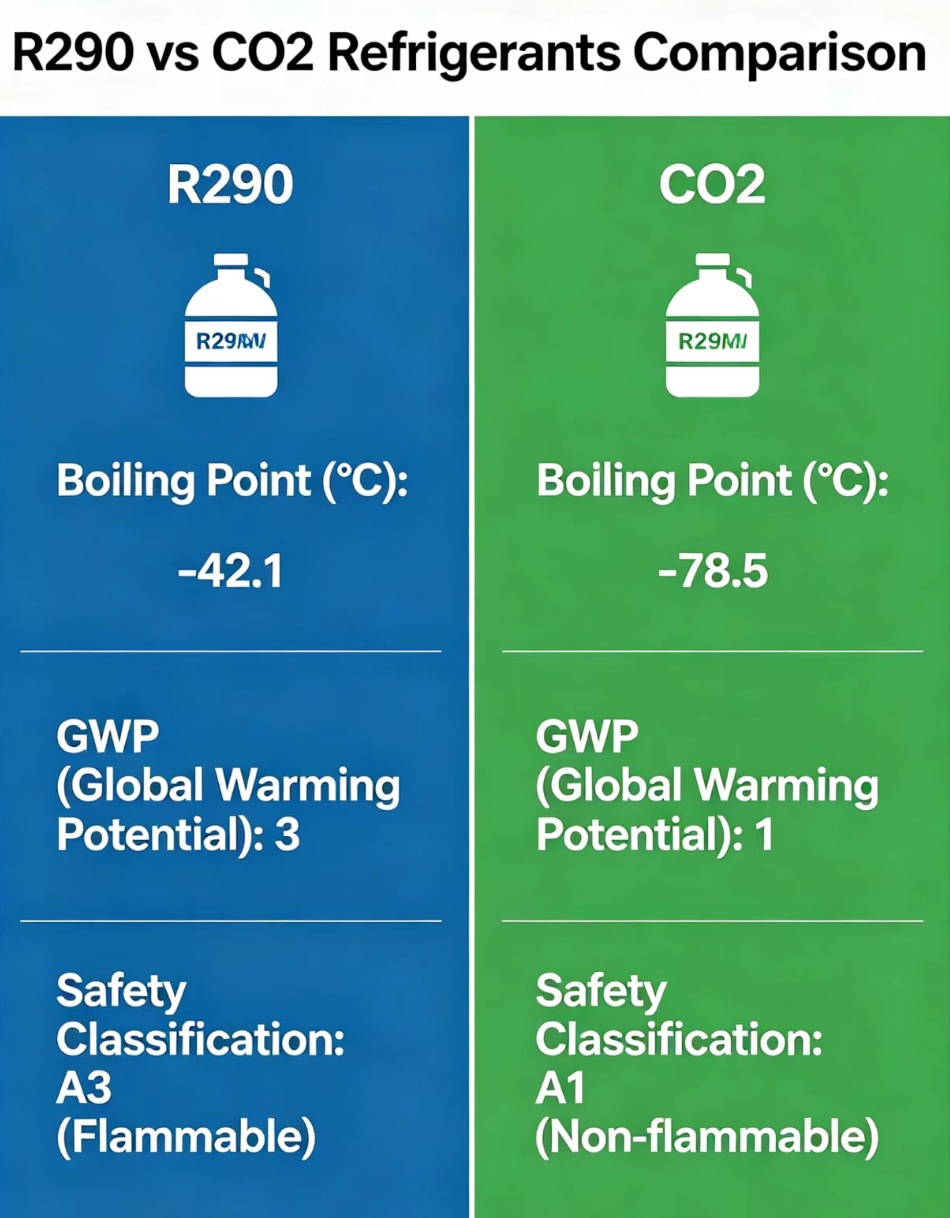
| Global Warming Potential (GWP) | 3 | 1 |
| Ozone Depletion Potential (ODP) | 0 | 0 |
| Safety Classification | A3 (highly flammable) | A1 (non-flammable) |
| Operating Pressure | Medium (similar to R410A) | Very high (up to 120 bar) |
| Environmental Impact | Excellent | Best-in-class |
2. Temperature Performance
This is where the two technologies show the biggest difference:
R290 Heat Pump
Maximum ambient temperature: 60°C (excellent for Middle East and hot climates)
Maximum hot water outlet temperature: 80°C
Ideal for regions where summer temperatures regularly exceed 40–50°C.
CO₂ Heat Pump
Operating ambient temperature: -35°C to +43°C
Maximum hot water outlet temperature: 100°C (or even higher in some modes)
Superior performance in extremely cold climates and when very high water temperatures (80–100°C) are required, such as for radiator systems or commercial sterilization.
3. Efficiency (COP)
R290: COP up to 6.23 (at 27°C air, 26–28°C water). Excellent efficiency in moderate to high ambient temperatures.
CO₂: COP typically 2.5–3.8 at high water temperatures (55–90°C), but it shines when producing 80–100°C water, where R290 efficiency drops.
Rule of thumb:
Choose R290 if you need the highest efficiency and work in hot climates.
Choose CO₂ if you need water temperatures above 80°C or operate in very cold climates.
4. Safety & Installation
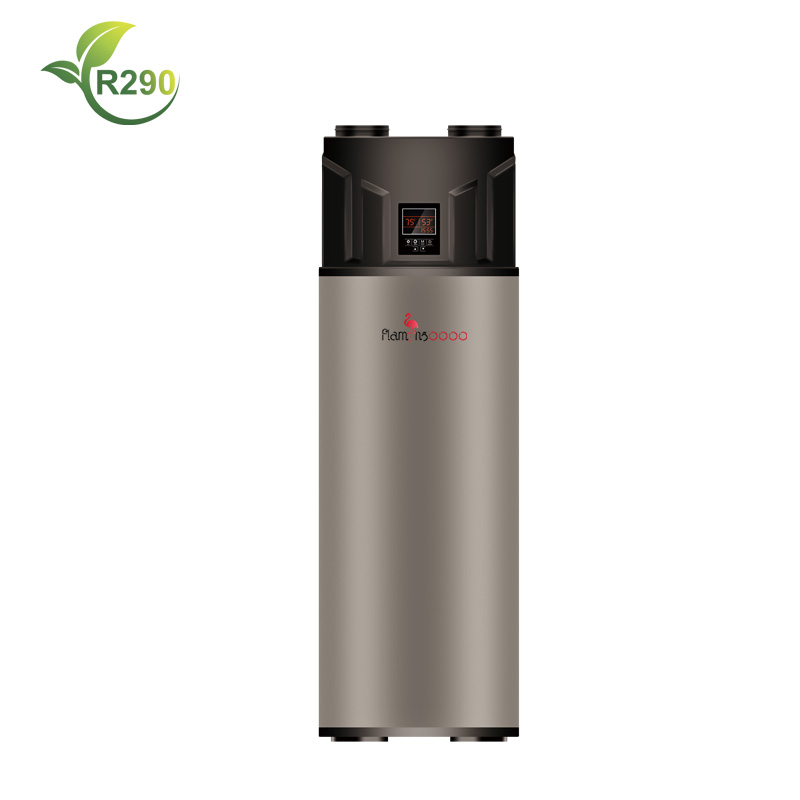
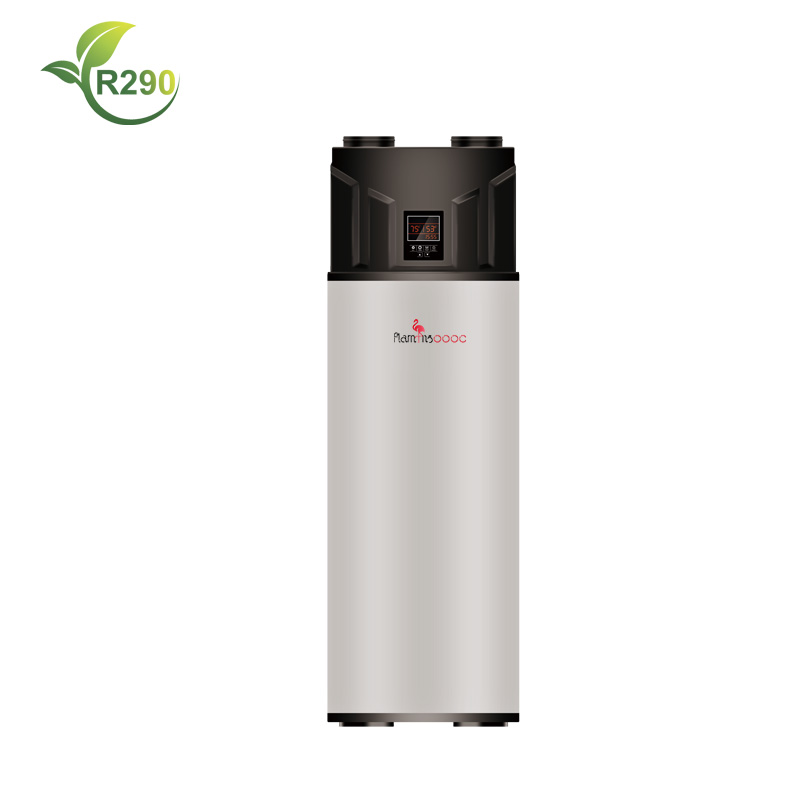
R290: Flammable. Requires strict safety standards (leak detection, ventilation, charge limits). Flamingo’s R290 models use very small refrigerant charges and advanced safety features to meet international standards.
CO₂: Non-flammable and non-toxic. However, it operates at much higher pressure, requiring stronger components and more careful piping design.
5. Other Key Differences(Key Parts Comparison)
| Component | R290 Heat Pump (Flamingo) | CO₂ Heat Pump (NuLite NL-J2BKK/CO2) | Main Difference |
|---|---|---|---|
| Refrigerant | R290 (Propane) | CO₂ (R744) | R290 is flammable but highly efficient; CO₂ is non-flammable and has the lowest GWP |
| Compressor | Panasonic EVI Twin-rotary DC Inverter | Panasonic Full Inverter + EVI Compressor | Both use Panasonic high-end compressors, but different configurations |
| Maximum Outlet Water Temp. | 80°C | 100°C | CO₂ can produce much hotter water |
| Operating Ambient Temp. | -5°C ~ 60°C | -35°C ~ 43°C | R290 excels in high-temperature areas; CO₂ excels in very cold areas |
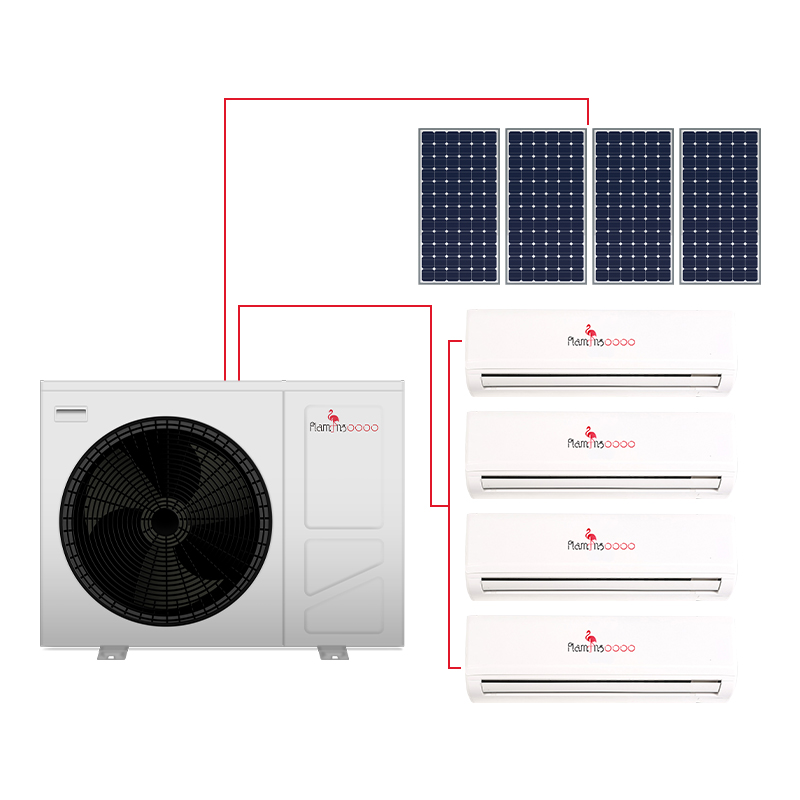
| Solar Power System | Solar Direct Drive (PV panels directly power the unit, no battery needed) | Standard PV connection (usually requires inverter + battery or grid backup) | R290 has a clear advantage in solar utilization |
| Heat Exchanger | Patented C&S high-efficiency counter-current heat exchanger + spiral titanium tube in PVC | Plate heat exchanger | R290 has superior heat exchange efficiency and anti-clogging design |
| Controller | Wi-Fi enabled controller Multi-language controller (supports 14 languages) | Wi-Fi enabled controller Multi-language controller (supports 14 languages) | R290 offers much better multilingual support |
| Expansion Tank | Built-in | Built-in | Same |
| Circulation Pump | Built-in variable frequency pump | Built-in pump | Same |
| Fan | DC inverter horizontal fan | DC inverter fan | Similar |
| Other Features | Hydrophilic aluminum fins, EEV with PID control, Y-type filter | Pressure sensors, etc. | R290 has richer anti-corrosion and control features |
Advantages of Each Heat Pump
Flamingo R290 Heat Pump Advantages:
Excellent high-temperature performance – stable operation even at 60°C ambient temperature, ideal for hot climates like the Middle East, Southeast Asia, and Southern China.
Solar Direct Drive technology – connects directly to solar panels without expensive batteries, significantly reducing initial investment and maintenance costs.
Higher energy efficiency – COP up to 6.23, saving 30–75% electricity compared to conventional units.
Strong anti-corrosion design and patented heat exchanger for better reliability and longer service life.
Quiet operation and user-friendly 14-language controller, very suitable for international markets.
Lower overall system cost due to no battery requirement.
CO₂ Heat Pump Advantages:
Extremely high water temperature output – up to 100°C, perfect for traditional radiator heating systems, commercial high-temperature hot water, or sterilization applications.
Superior low-temperature performance – works reliably down to -35°C, making it ideal for cold regions (Northern Europe, Northern China, Canada, etc.).
Safest refrigerant – CO₂ is non-flammable and has the lowest GWP (only 1), offering better safety and environmental compliance.
Robust structure – designed for high-pressure operation, providing excellent durability in demanding commercial projects.
6. Which One Should You Choose?
Choose R290 if you are in:
Hot climates (Middle East, Southeast Asia, Southern Europe)
Swimming pool or spa heating
Situations where you want maximum efficiency and solar direct-drive capability
Choose CO₂ if you are in:
Cold climates (Northern Europe, Canada, Northern China)
Need water temperatures of 80–100°C (radiators, commercial hot water, sterilization)
Require non-flammable refrigerant
