
Can Photovoltaic Heat Pumps Be Used in Remote Areas?
With growing concerns about energy efficiency and sustainability, photovoltaic (PV) heat pumps have emerged as a promising solution for heating and cooling needs. But can they be effectively used in remote areas where access to conventional power grids is limited? The answer is a resounding yes. Here’s a closer look at how PV heat pumps work, their benefits, and the role they can play in off-grid communities.
How Do Photovoltaic Heat Pumps Work?
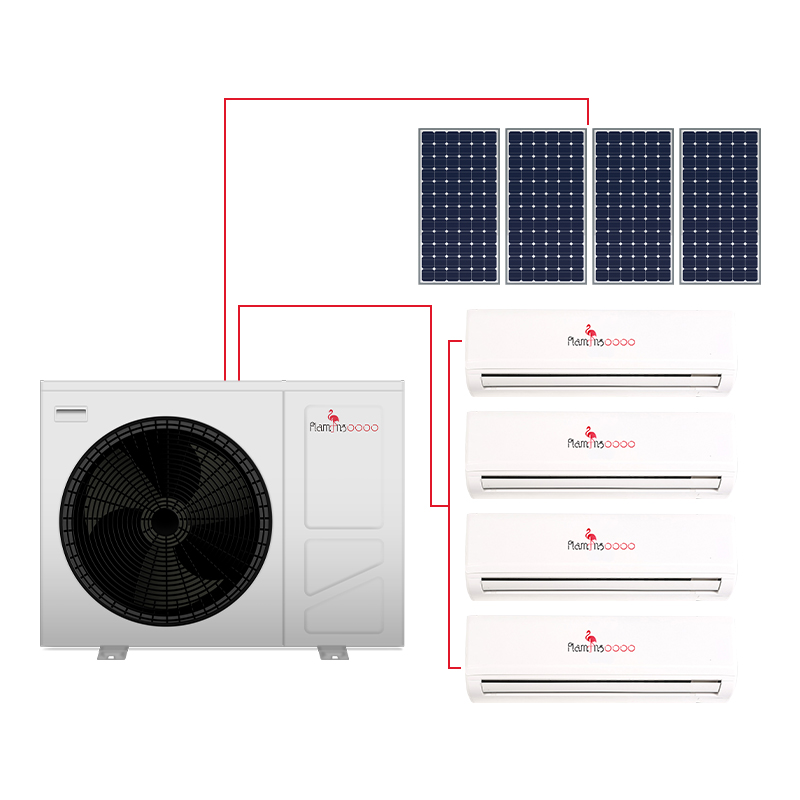
Photovoltaic heat pumps combine two established technologies: solar photovoltaic panels and heat pump systems. PV panels capture sunlight and convert it into electricity, which powers the heat pump. Heat pumps, in turn, transfer heat from one place to another, either heating or cooling a space. By relying on renewable solar energy, these systems operate independently of the traditional electrical grid.
In remote areas where power lines may be unavailable or unreliable, this self-sufficiency is a game changer. Unlike conventional heating and cooling systems, PV heat pumps do not require constant access to grid electricity, making them ideal for areas far from urban centers.
Key Benefits of PV Heat Pumps in Remote Areas
Energy Independence: Since photovoltaic systems generate their own electricity, they reduce or eliminate the need for external power sources. This makes them perfect for off-grid living or regions where energy infrastructure is underdeveloped.
Reduced Operational Costs: After the initial installation costs, PV heat pumps have minimal operational expenses. The energy from the sun is free, and with proper maintenance, the system can operate for years without costly repairs or utility bills.
Eco-Friendly Solution: By using clean, renewable solar energy, PV heat pumps help reduce greenhouse gas emissions. This is particularly important in remote areas where diesel generators are often used as a backup power source.
Reliability in Harsh Conditions: Advances in solar technology have made PV panels more efficient, even in low-light conditions. As a result, PV heat pumps can function in areas with less consistent sunlight, though battery storage systems may be necessary to store excess energy for nighttime use.
Challenges and Solutions
While the advantages are clear, some challenges remain. The initial installation cost of PV heat pump systems can be high, particularly in remote areas where transportation and logistics add to the expense. However, government incentives, subsidies, and falling prices for solar technology are making these systems more accessible.
Another issue is energy storage. Because the sun doesn’t shine 24/7, battery systems are often required to store excess energy generated during the day. Modern lithium-ion batteries provide a reliable solution, ensuring uninterrupted operation even at night.
Future Outlook
As solar and battery technology continue to advance, the potential for PV heat pumps in remote areas grows. With better efficiency, lower costs, and more durable components, these systems are becoming a viable option for homes, community centers, and even small businesses in off-grid locations.
In summary, photovoltaic heat pumps offer a sustainable, cost-effective, and independent heating and cooling solution for remote areas. Their ability to generate and use solar power on-site makes them a key player in the global transition to clean energy. As technology evolves, we can expect even greater adoption of this innovative approach to energy management.
