
Air Source Heat Pump vs. Boiler: Advantages for Home Heating
Introduction
As the world intensifies its focus on energy efficiency and reducing carbon emissions, homeowners and businesses are reevaluating traditional heating systems. The debate between air source heat pumps (ASHPs) and gas boilers (along with other boiler types) has never been more pertinent, with ASHPs clearly leading the way for modern heating demands. This guide explains why switching from a gas boiler to a heat pump offers better performance, significant cost savings, and environmental benefits.
1. Superior Energy Efficiency:
The most notable benefit of ASHPs is their remarkable efficiency. Unlike boilers, which generate heat by burning fuel and lose 5–15% of energy through combustion, ASHPs transfer existing heat from outdoor air into your home. For every 1 kWh of electricity used, ASHPs produce 3–5 kWh of heat (COP 3–5), whereas boilers generate a maximum of 0.95 kWh of heat per unit of fuel.
2. Reduced Long-Term Operating Costs
Although gas may appear cheaper per unit, ASHPs offer substantial savings over time due to their higher efficiency. Research indicates:
Up to 50% savings compared to gas boilers in areas with competitive electricity rates.
70% savings versus electric boilers (COP 1.0 vs. 3.0+).
40% savings compared to oil/LPG boilers.
Real-World Example: A 120m² home in the UK can save £400–£800 annually by switching from a gas boiler to an ASHP with a Seasonal Coefficient of Performance (SCoP) of 4.5.
3. Significant Reduction in Carbon Emissions
For environmentally conscious homeowners, carbon emissions from heating are a major concern. ASHPs produce far fewer emissions than boilers:
Gas boilers emit roughly 205 kg of CO₂ per MWh; oil boilers emit even more at 265 kg per MWh.
ASHPs typically emit only 35–70 kg of CO₂ per MWh, representing a 66–83% reduction compared to gas boilers and over 90% reduction compared to oil boilers.
As power grids incorporate more renewable energy sources, the carbon footprint of ASHPs will continue to decline—unlike fossil fuel boilers, which have a fixed emissions profile. For instance, when powered by a grid with 50% renewable energy, ASHPs can emit as little as 20 kg of CO₂ per MWh, achieving a 90% reduction compared to gas boilers.
4. Summer Cooling Capability: A Key Edge Over Boilers
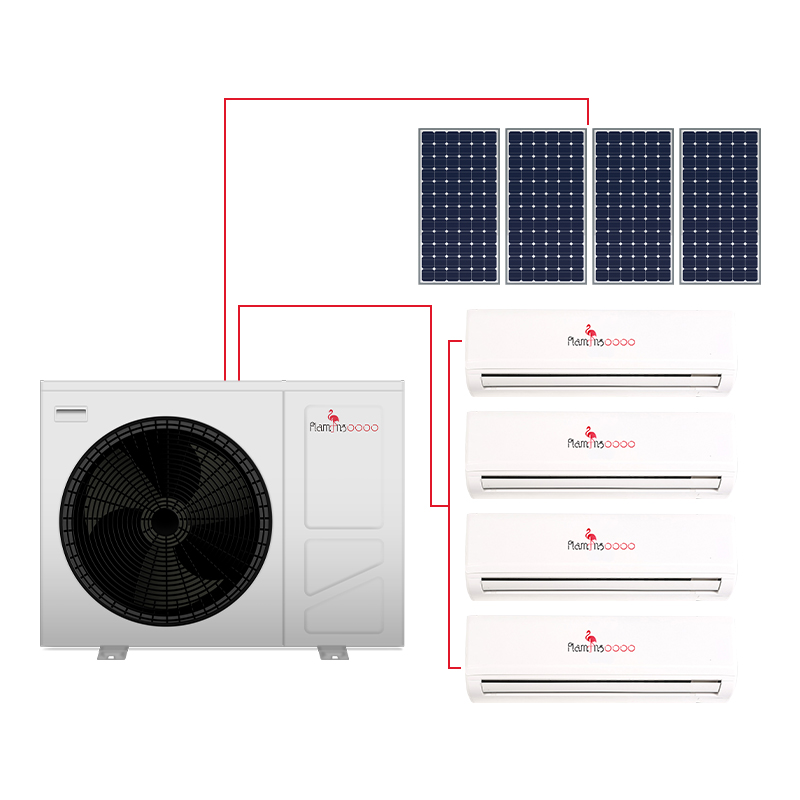
A major practical advantage of ASHPs is their ability to provide cooling in summer, a feature boilers lack. Modern ASHPs with reverse-cycle technology can seamlessly switch from heating your home in winter to cooling it in summer. This eliminates the need for a separate air conditioning system, saving on purchase and installation costs while freeing up space in your home. In contrast, boilers remain unused during warmer months, offering no additional value beyond heating—making ASHPs a more versatile, year-round solution for comfort.
5. Lower Maintenance Needs
Boilers require yearly safety inspections, flue cleaning, and combustion chamber checks. ASHPs, with their simpler mechanics (no combustion and fewer moving parts), have:
Biannual filter cleaning (easy to do yourself).
Professional servicing every 5 years.
Lower service costs (£100–£150 vs. £200–£300 for boilers).
6. All-in-One Comfort: Heating, Cooling, and Hot Water
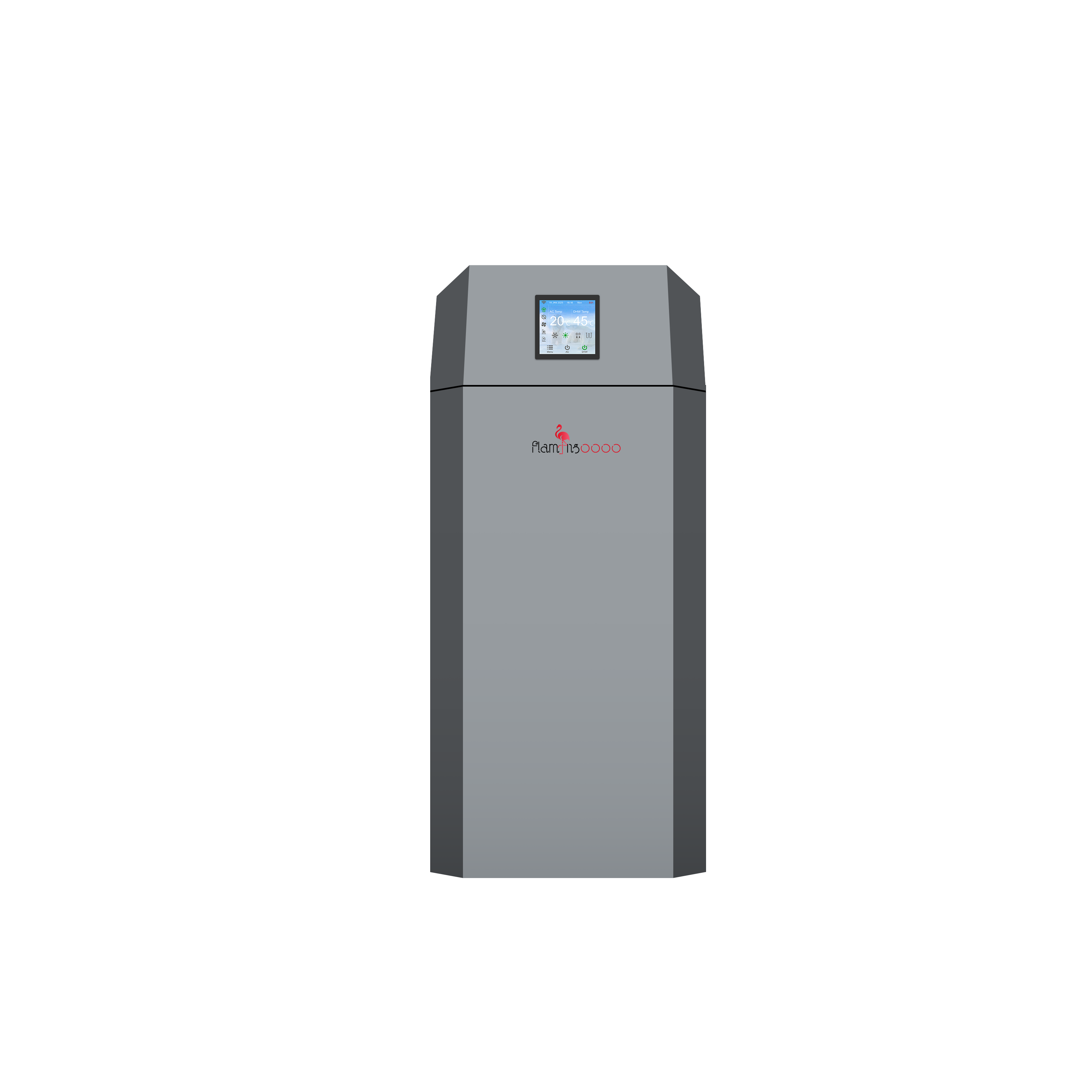
Unlike boilers, which only provide heat, modern ASHPs offer three functions in one:
Space heating (for radiators or underfloor heating).
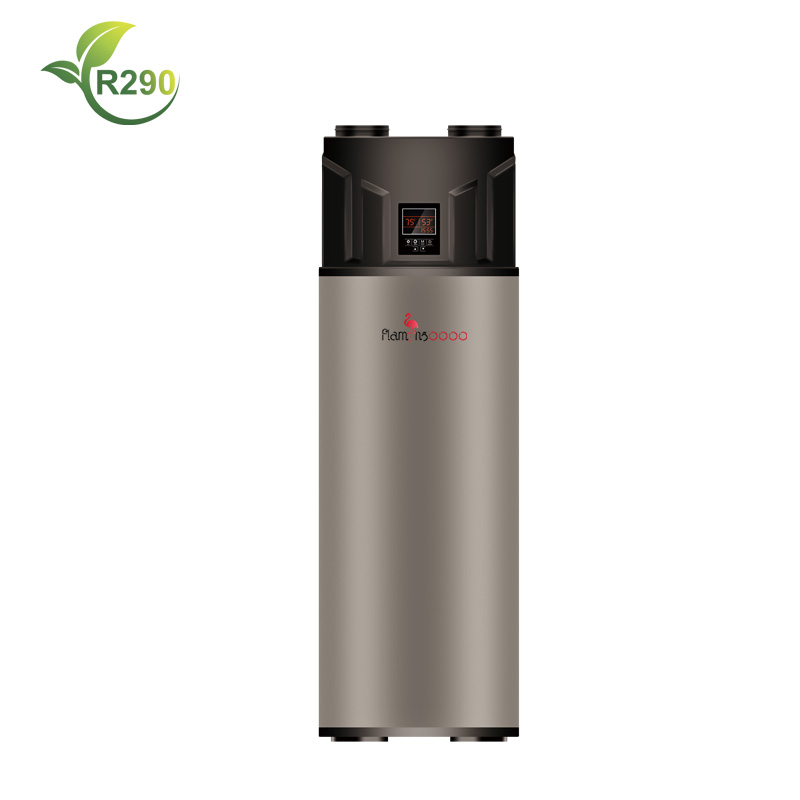
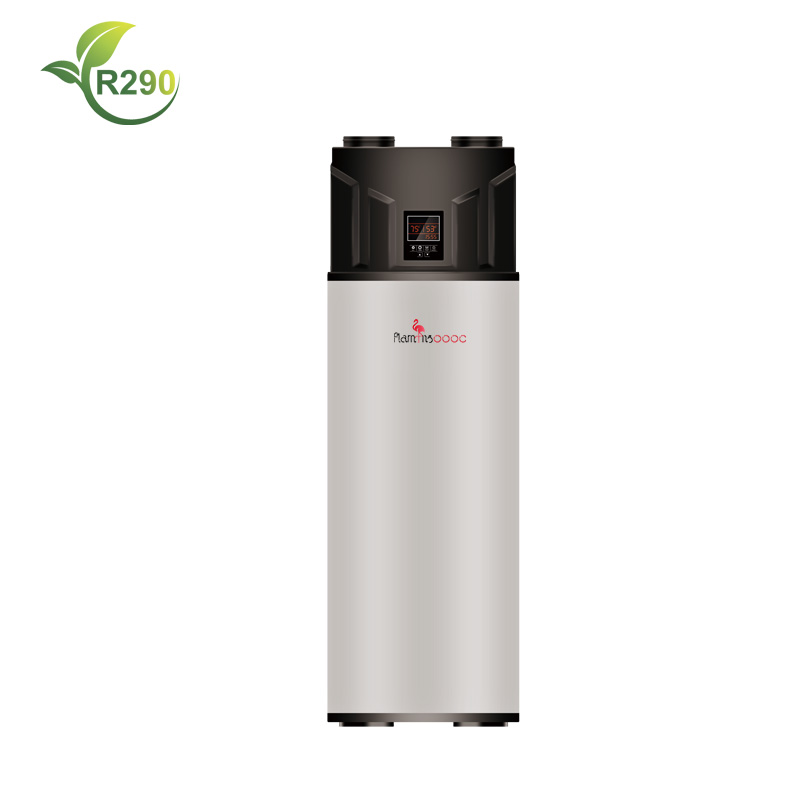
Domestic hot water (DHW).
Air conditioning (with reverse-cycle models).
This removes the need for separate AC systems, saving space and installation costs while enhancing year-round comfort.
Conclusion
ASHPs outperform boilers in efficiency, cost savings, environmental impact, and versatility. With government support, lower maintenance, and multi-season functionality, they provide a sustainable, future-proof heating solution for homes worldwide. Whether your priority is reducing carbon emissions, saving money, or enjoying year-round comfort, an ASHP is the clear choice in the heating revolution.
Make the switch today—for a greener, more efficient home. 🌍⚡🏠
