
Low-GWP Refrigerants Drive the Next Stage of Heat Pump Innovation
A New Era for Refrigerants in the Heat Pump Industry
The global heat pump industry is undergoing a significant transformation as environmental regulations increasingly focus on reducing greenhouse gas emissions. While heat pumps are already recognized as one of the most energy-efficient heating and cooling technologies available, the industry is now working to further reduce its environmental impact through the adoption of low-GWP refrigerants.
Global Warming Potential (GWP) measures how much heat a greenhouse gas can trap in the atmosphere compared to carbon dioxide. Traditional refrigerants used in heating and cooling systems often have relatively high GWP values, which has led regulators around the world to introduce stricter controls and phase-down schedules.
As a result, manufacturers are accelerating the development and deployment of refrigerants that offer lower environmental impact while maintaining high performance and reliability.
Regulatory Changes Accelerating Industry Transformation
In recent years, governments and regulatory authorities across Europe, North America, and Asia have strengthened policies aimed at reducing hydrofluorocarbon (HFC) emissions. These regulations are encouraging the gradual transition away from higher-GWP refrigerants toward more environmentally friendly alternatives.
The European Union continues to advance its F-Gas Regulation framework, while the United States is implementing refrigerant transition programs designed to reduce the use of high-GWP substances. Similar policy developments are emerging in many other regions as countries work toward climate neutrality and emissions reduction targets.
For heat pump manufacturers, compliance with these evolving regulations is no longer simply a legal requirement—it has become a key component of long-term competitiveness.
Growing Adoption of R32 and R290 Technologies
Among the low-GWP refrigerants gaining popularity within the industry, R32 and R290 have attracted significant attention.
R32 offers a substantially lower GWP compared to many traditional refrigerants and has become widely adopted in residential heat pump and air conditioning applications. It provides strong energy efficiency performance while helping manufacturers meet increasingly stringent environmental standards.
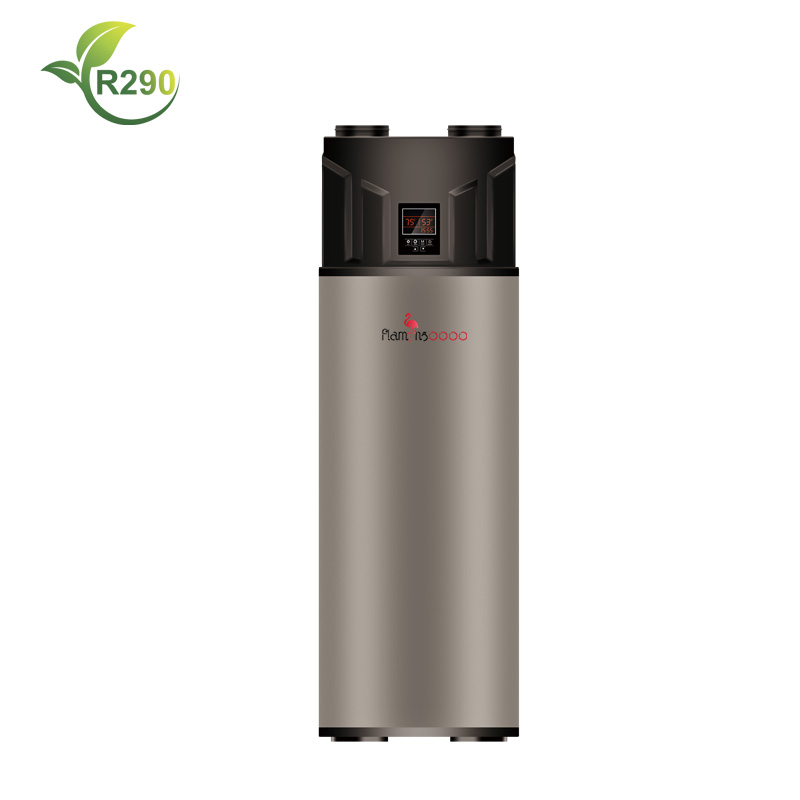
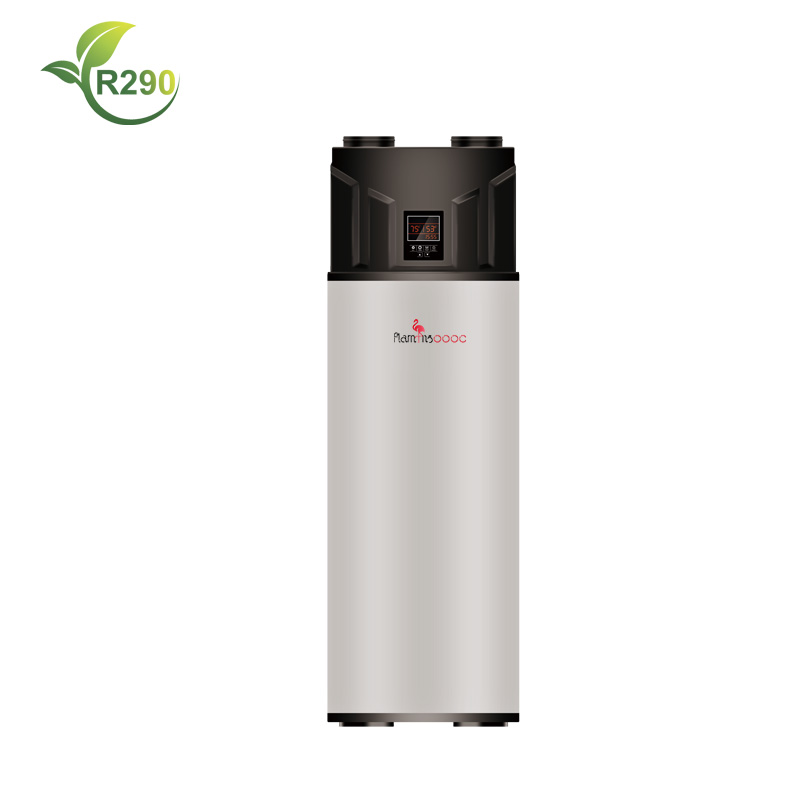
Meanwhile, R290 (propane) is emerging as one of the most promising refrigerants for next-generation heat pump systems. With an extremely low GWP value and excellent thermodynamic performance, R290 enables manufacturers to develop highly efficient systems that align with future sustainability requirements.
Many industry experts believe that R290-based heat pumps will play an increasingly important role in the European market, particularly as regulatory pressure continues to increase.
Improving Energy Efficiency and System Performance
The transition to low-GWP refrigerants is not only about environmental compliance. It is also creating opportunities for technological innovation and performance improvements.
Modern refrigerant technologies are helping manufacturers optimize heat transfer efficiency, improve operating stability, and enhance performance under a wide range of climate conditions. This is particularly important for heat pumps operating in colder regions where reliable heating performance is essential.
Combined with advances in inverter compressors, intelligent controls, and heat exchanger design, low-GWP refrigerants are contributing to a new generation of highly efficient heat pump systems.
As consumers increasingly prioritize energy savings and sustainability, these improvements provide additional value beyond regulatory compliance.
Challenges and Opportunities for Manufacturers
Although the transition toward low-GWP refrigerants presents significant opportunities, it also introduces new challenges for manufacturers.
Product redesign, certification updates, production adjustments, and workforce training all require investment. In addition, some refrigerants have unique technical characteristics that require careful system engineering and safety considerations.
However, companies that successfully adapt to these changes can gain a competitive advantage in global markets. Early adoption of advanced refrigerant technologies enables manufacturers to better meet customer expectations and prepare for future regulatory developments.
As environmental standards continue to evolve, innovation in refrigerant technology is becoming a critical differentiator within the heat pump industry.
Market Demand for Sustainable Heating Solutions
Consumer awareness of environmental sustainability is growing worldwide. Homeowners, commercial building operators, and industrial users are increasingly seeking solutions that can reduce both energy consumption and carbon emissions.
Low-GWP refrigerant heat pumps align closely with these objectives. By combining high efficiency with reduced environmental impact, these systems help customers achieve sustainability goals while lowering long-term operating costs.
This trend is particularly evident in Europe, where decarbonization policies and energy efficiency targets continue to drive demand for advanced heating technologies.
As market awareness increases, environmentally friendly refrigerants are expected to become a standard feature rather than a niche offering.
Company Perspective: Guangdong Flamingo New Energy Technology Co., Ltd.
At Guangdong Flamingo New Energy Technology Co., Ltd., innovation and sustainability remain central to product development strategies. As the global market moves toward low-GWP refrigerant solutions, the company continues to invest in advanced technologies that support both environmental responsibility and product performance.
By focusing on energy-efficient heat pump systems, compliance with international standards, and continuous technological improvement, Guangdong Flamingo New Energy Technology Co., Ltd. aims to provide customers with reliable solutions that meet the evolving demands of the global HVAC market.
The company believes that sustainable innovation will play an increasingly important role in shaping the future of the industry and creating long-term value for customers worldwide.
Looking Ahead
The transition toward low-GWP refrigerants represents one of the most important developments in the modern heat pump industry. Driven by regulatory requirements, environmental objectives, and technological advancements, this shift is accelerating innovation across the entire sector.
As manufacturers continue to develop safer, more efficient, and more sustainable systems, low-GWP refrigerants will become a cornerstone of next-generation heat pump technology. Companies that embrace this transformation today will be better positioned to succeed in the rapidly evolving global market.
Conclusion
Low-GWP refrigerants are driving a new wave of innovation in the heat pump industry. Beyond meeting regulatory requirements, they are enabling higher efficiency, lower emissions, and improved system performance. As sustainability becomes a defining factor in purchasing decisions and industry development, the adoption of environmentally friendly refrigerants will continue to shape the future of heat pump technology worldwide.
