
Your Guide to Selecting the Ideal System
In the ever - changing industrial environment of today, energy efficiency and sustainability hold unprecedented significance. As businesses endeavor to shrink their carbon footprint and cut down on operating expenses, industrial heat pumps have emerged as a revolutionary solution. These cutting - edge systems not only offer efficient heating and cooling but also lead to substantial energy savings. However, with a plethora of options available, picking the right industrial heat pump can seem like an overwhelming challenge. This guide will lead you through the fundamental factors to take into account when choosing an industrial heat pump, enabling you to make a well - informed decision that aligns with your operational requirements and sustainability objectives.
Understanding Industrial Heat Pumps
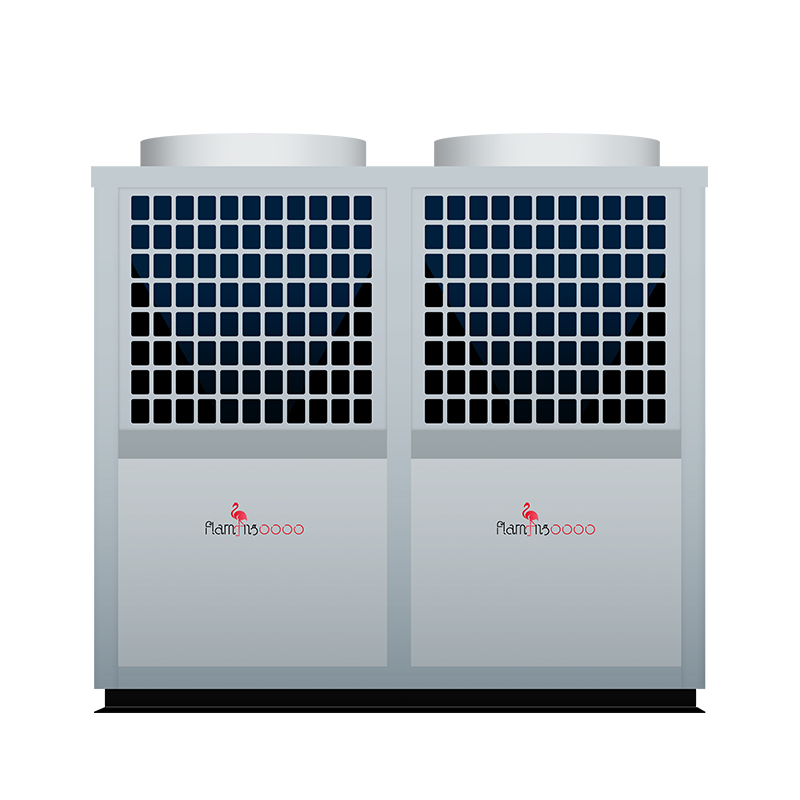
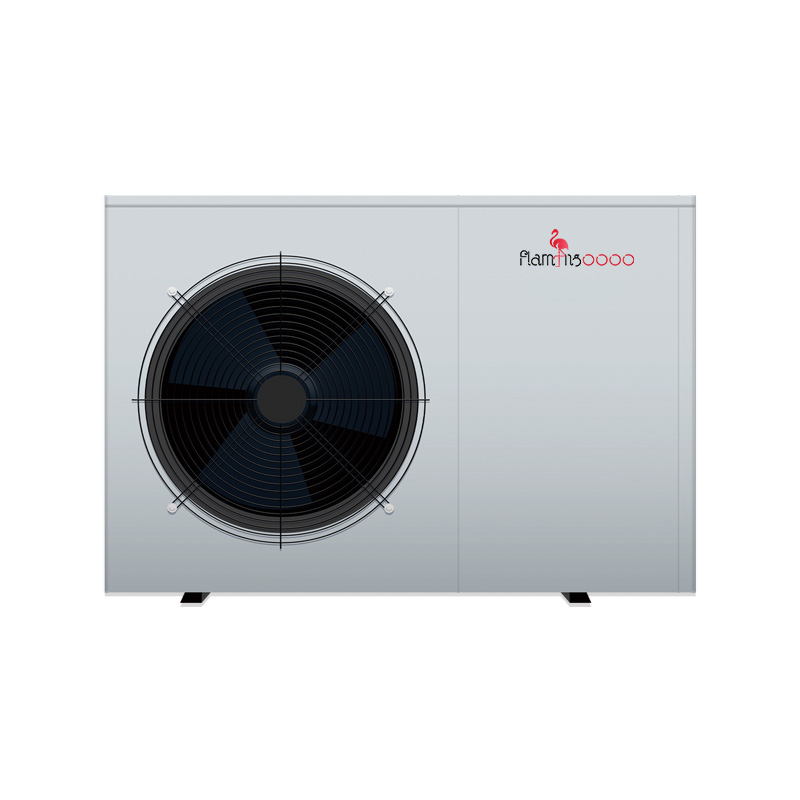
Before embarking on the selection journey, it's essential to grasp what an industrial heat pump is and its working principle. An industrial heat pump is a device that employs a refrigeration cycle to transfer heat from one place to another. It extracts heat from sources like the air, water, or ground and then transfers it to a building or a process to fulfill heating and cooling functions. This adaptability makes heat pumps suitable for a wide array of applications, including manufacturing, food processing, and chemical production.
Key Advantages of Industrial Heat Pumps
High Energy Efficiency: Industrial heat pumps can attain efficiencies of 300% or even higher. This implies that for every unit of energy they consume, they can generate three units of heat. Such high efficiency translates to lower energy bills and a reduction in greenhouse gas emissions.
Versatility: These systems can serve both heating and cooling purposes, making them an excellent choice for facilities that need year - round temperature regulation.
Sustainability: By tapping into renewable energy sources such as ambient air or groundwater, industrial heat pumps contribute to more sustainable operations, in line with the global fight against climate change.
Cost - Effectiveness: Although the initial investment in an industrial heat pump may be greater than that of a traditional heating system, the long - term savings in energy and maintenance costs can make it a financially prudent option.
Factors to Consider When Choosing an Industrial Heat Pump
Application Requirements: The first step in selecting an industrial heat pump is to assess your specific application needs. Take into account the required temperature range, the volume of heating or cooling needed, and the nature of the process involved. Different heat pumps are designed for different applications, so understanding your requirements is crucial.
Heat Source: Industrial heat pumps can draw heat from various sources, including air, water, or the ground. Each source has its own set of advantages and limitations. For instance, air - source heat pumps are generally easier to install and maintain, while ground - source heat pumps are more efficient but require more extensive installation work.
Capacity and Size: The capacity of the heat pump must be in line with your facility's heating and cooling demands. Undersized equipment will struggle to maintain the desired temperatures, while oversized equipment may lead to inefficiencies and increased wear and tear. Conducting a comprehensive load calculation is vital for determining the appropriate size.
Energy Efficiency Rating: Look for heat pumps with high Seasonal Energy Efficiency Ratio (SEER) and Coefficient of Performance (COP) ratings. These metrics indicate how effectively a heat pump converts energy into heating or cooling output. Higher ratings signify better performance and lower operating costs.
Installation and Maintenance: Consider the complexity of heat pump installation and its maintenance requirements. Some systems may require specialized installation, while others may be relatively straightforward. Additionally, evaluate the availability of service technicians and the ease of obtaining replacement parts.
Environmental Impact: As sustainability becomes a top priority for many businesses, it's important to consider the environmental impact of heat pumps. Opt for systems that use eco - friendly refrigerants and have a lower carbon footprint.
Budget: While the initial purchase price is a factor to consider, long - term operating costs should also be taken into account. A more expensive, energy - efficient heat pump can save you money in the long run by reducing your energy bills.
Manufacturer Reputation: Research the heat pump manufacturer you are considering. Look for a company with a good reputation for quality, reliability, and customer service. Reading reviews and seeking advice can provide valuable insights.
Regulatory Compliance: Ensure that the heat pump you choose complies with local regulations and standards. This is especially important for industries with strict environmental and safety requirements.
Conclusion
Choosing the right industrial heat pump is a crucial decision that can have a significant impact on your facility's energy efficiency, operating costs, and environmental footprint.
