
Ground Source Heat Pumps: A Long‑Term Investment Worth Making?
1. How GSHP Works – Tapping into the Earth’s Constant‑Temperature Reservoir
The operating principle of a ground source heat pump is elegantly simple. The shallow subsurface soil and groundwater maintain a relatively stable temperature throughout the year – warmer than the outside air in winter and cooler in summer. A GSHP system exploits this by circulating fluid through buried pipes (ground loops) to exchange heat with the ground. In winter, it extracts heat from the earth to warm the building; in summer, it rejects indoor heat into the ground for cooling.
Unlike conventional boilers or air conditioners that “generate” heat or cold, a GSHP primarily “moves” existing heat. It consumes a small amount of electricity to drive a compressor and circulation pumps, upgrading low‑grade underground thermal energy to a higher temperature usable for space heating. This energy‑transfer approach yields a coefficient of performance (COP) far superior to traditional equipment. In real‑world operation, GSHPs achieve COPs of 4.0–5.0 – meaning 1 kWh of electricity delivers 4–5 kWh of thermal energy. By comparison, air‑source heat pumps (ASHPs) under cold conditions deliver only 2.5–3.2 COP. The advantage becomes even more pronounced in extreme climates: when ambient temperature drops from 8.3°C to ‑26.1°C, a GSHP retains about 87% efficiency and 85.5% heating capacity, whereas an ASHP can only manage 55% efficiency and 44.5% capacity.
2. Is It Worth It? – Three Financial Perspectives
To answer that question, we must evaluate initial investment, operating costs, and whole‑lifecycle value.
First: Initial Investment – Undeniably Higher
The upfront cost of a GSHP system comprises two major parts: (1) the ground heat exchanger – drilling, pipe installation, and backfilling, which typically accounts for 40‑50% of total cost; and (2) the indoor unit and system integration. For a residential system, installation costs generally range from RMB 50,000 to 150,000; a medium‑sized villa (200‑300 m²) costs about RMB 150,000‑250,000; small commercial buildings run RMB 200,000‑500,000. Overall, a GSHP system costs roughly 1.5 to 2 times as much as a conventional “air‑conditioner + boiler” combination.
However, this should not be viewed as merely “buying equipment” – it is a long‑term infrastructure investment in the building’s energy system. The underground pipe network has a design life of over 50 years, essentially matching the building’s lifespan; the indoor unit typically lasts 20‑25 years, far longer than the 8‑12 years of conventional air conditioners.
Second: Operating Costs – Significantly Lower
The GSHP’s operating‑cost advantage is its core competitive edge. With a COP of 4.0‑5.0, electricity consumption is far lower than electric heating or gas boilers. Studies show that in passive ultra‑low‑energy buildings, GSHP systems consume 32.4% less energy than “chiller + municipal heating” systems and 37.3% less than ASHPs. In actual projects, a hybrid GSHP system saved about 417.86 tonnes of standard coal equivalent annually and cut operating costs by roughly RMB 794,000 compared to conventional systems. For households, annual electricity savings can exceed USD 1,000.
Third: Payback Period – 5 to 10 Years
Combining upfront cost with annual savings, the payback period for a GSHP is typically 5‑10 years. In some high‑efficiency applications, it can be shorter – e.g., cooling‑tower‑assisted hybrid systems have a payback of about 4.3 years, and magnetic‑bearing GSHP units have recovered costs in as little as two years in some retrofits. Given a system life of 20‑25 years, the 10‑15 years following payback represent a sustained “net‑profit” phase.
3. Challenges and Limitations – Not a Universal Panacea
Despite its advantages, GSHP has notable constraints.
Site and Geological Conditions. Sufficient land area is required for drilling or trenching – detached houses or villas with yards are most suitable; high‑rise apartments generally cannot be installed due to lack of outdoor space. Geological conditions matter too – rock formations increase drilling costs, and soil thermal properties directly affect heat‑exchange efficiency.
High Demands on Design and Installation. A GSHP follows the “30% equipment, 70% installation” rule. Every step – site survey, load calculation, system design, drilling, commissioning – requires professional expertise. Poor design or construction can drastically reduce efficiency or even render the system ineffective.
Thermal Balance. In regions with unbalanced heating/cooling loads (e.g., severe cold areas where heating demand far exceeds cooling), continuous heat extraction may gradually lower ground temperature, impairing performance. This requires auxiliary heat sources or hybrid system designs.
4. Flamingo’s Water‑ and Ground‑Source Heat Pumps – How Technological Breakthroughs Address the Challenges
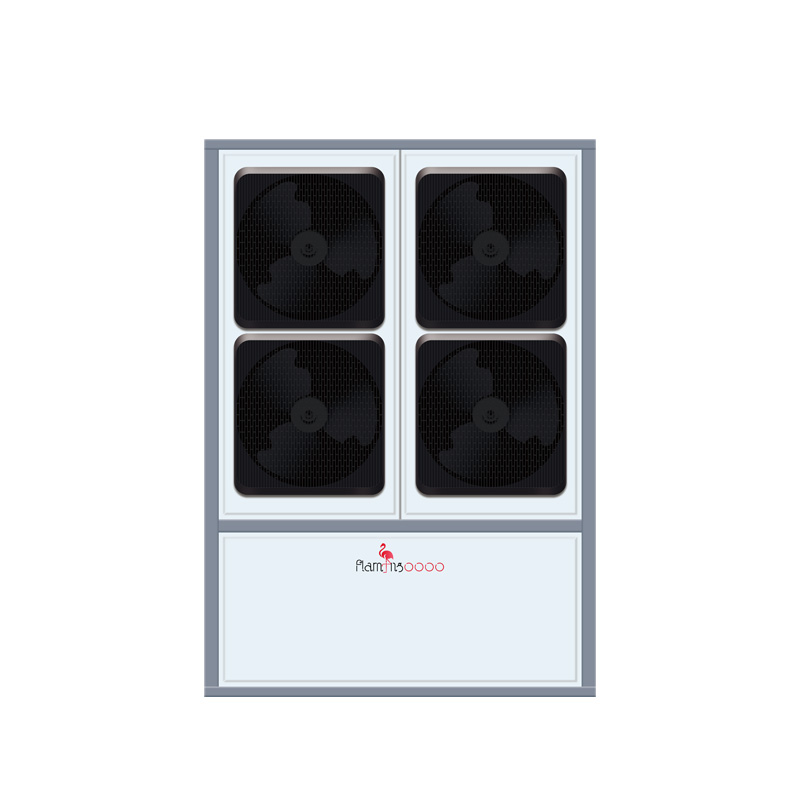
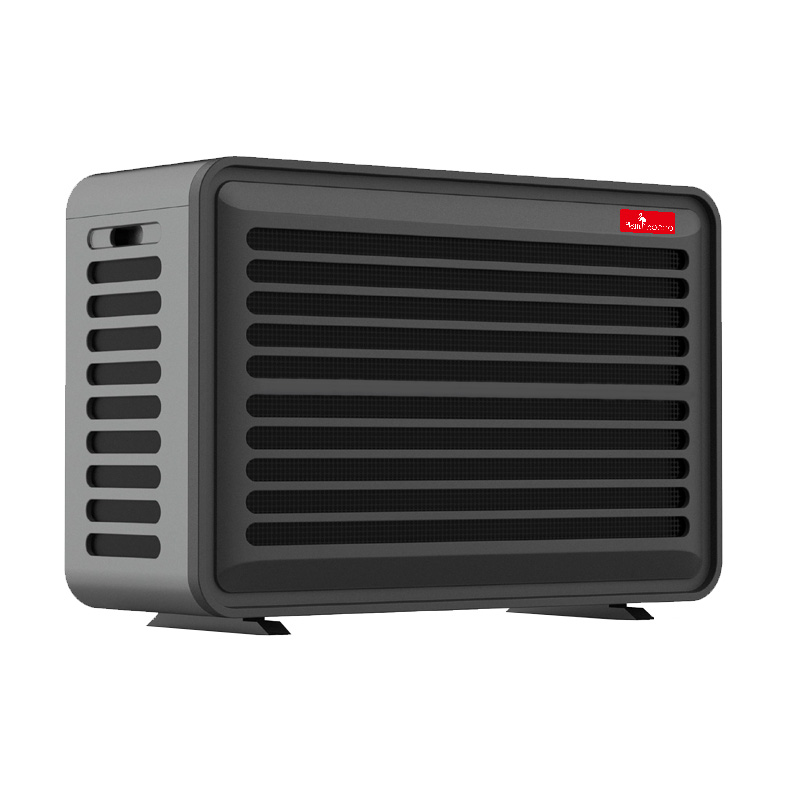
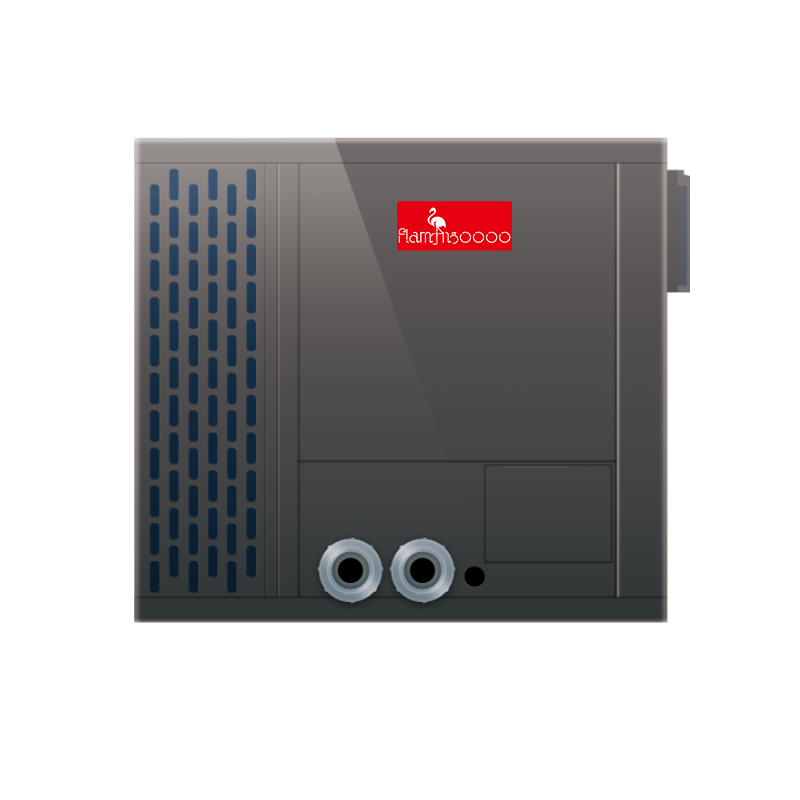
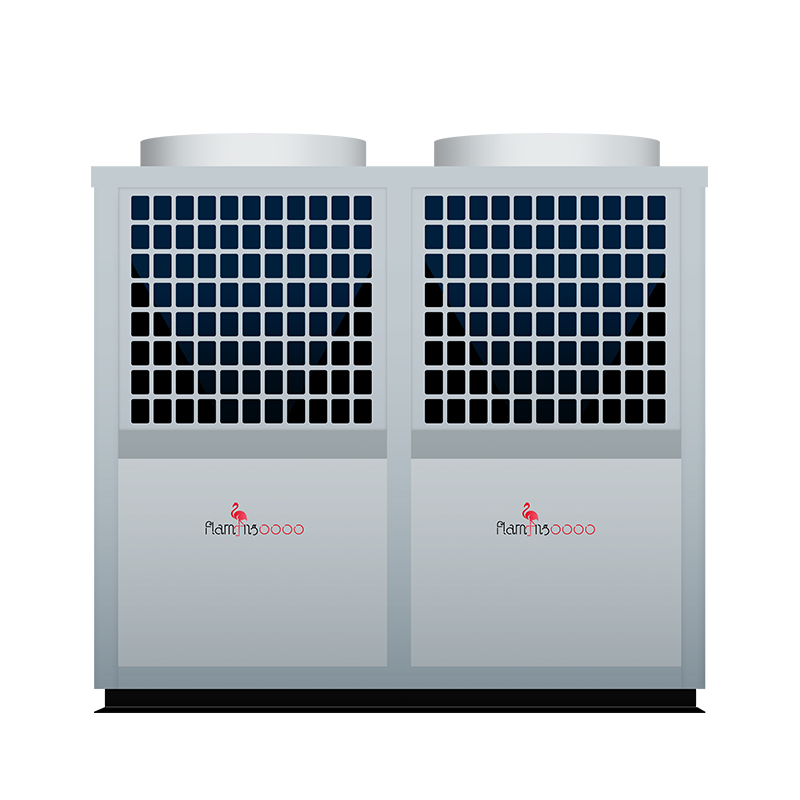
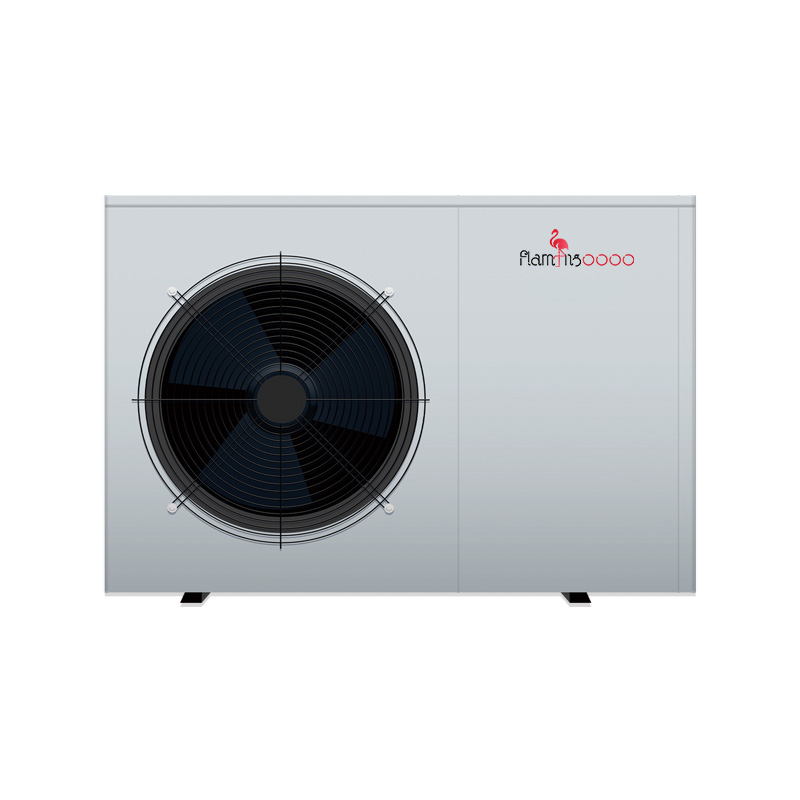
While the industry continues to debate these pain points, Flamingo (Guangdong Flamingo New Energy Technology Co., Ltd.) has already delivered concrete answers through a series of innovations. Founded in 2022 and based in Foshan, Guangdong, this technology‑driven company specialises in variable‑frequency heat pumps and photovoltaic (PV) direct‑drive heat pumps, and has rapidly distinguished itself in the global heat pump landscape.
PV Direct Drive – Pushing Energy Savings from 30% to Over 60%
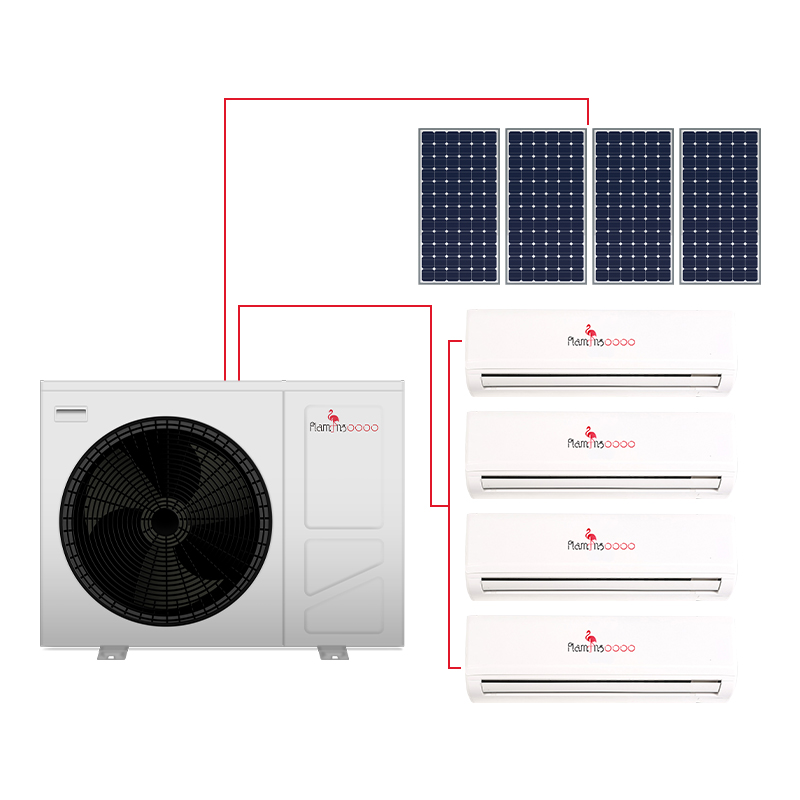
Flamingo’s most groundbreaking innovation is its integrated PV direct‑drive system. A conventional GSHP already saves about 30% energy compared to an ASHP. Flamingo takes this further by intelligently linking solar PV generation with the heat pump – during daylight hours, the system prioritises solar power to drive the unit, drastically reducing grid electricity consumption. This integrated approach raises overall energy savings to over 60%.
This is not a simple addition of solar and geothermal; it is a deep engineering integration that combines “instantaneous solar energy” with “constant geothermal energy” in both time and space, creating a highly autonomous and flexible micro‑energy system. At the 2025 China Heating Expo, Flamingo’s 30‑HP PV direct‑drive water‑source heat pump – featuring dual systems, liquid cooling, PV direct drive, and AI intelligent regulation – was a centrepiece attraction.
Full DC Inverter and Intelligent Control – Precise Matching of Real‑Time Demand
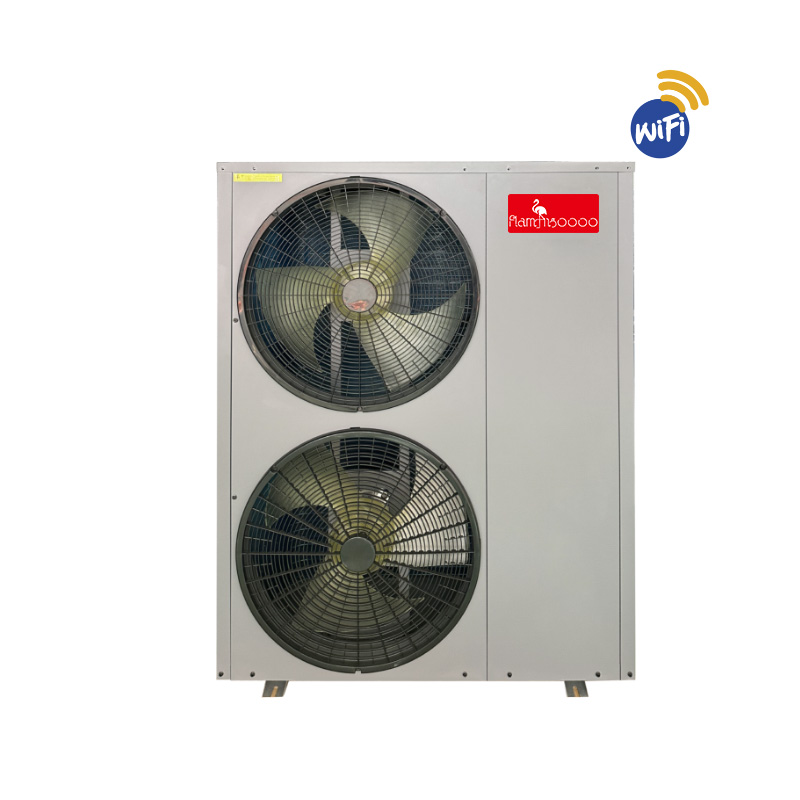
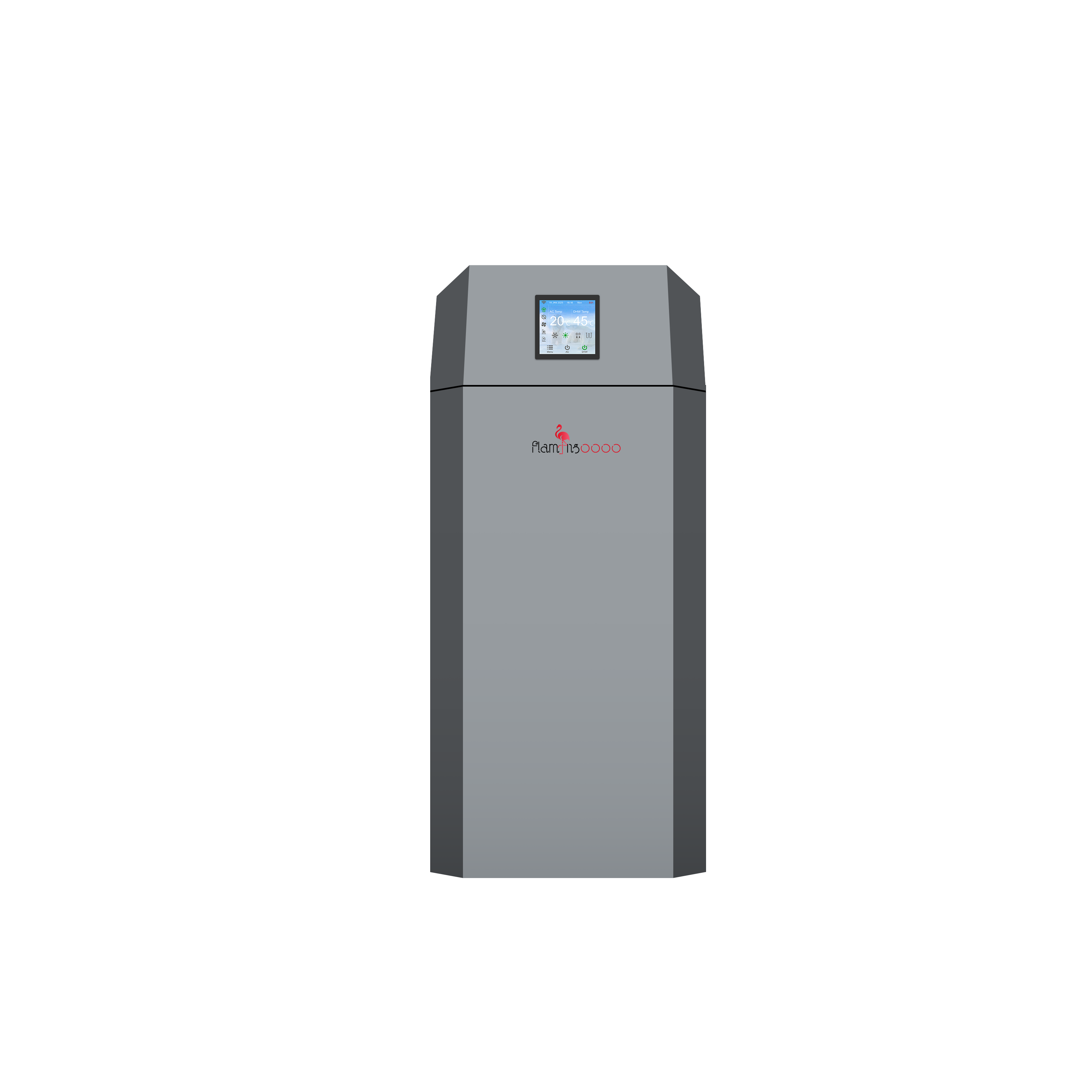
Flamingo’s units employ full DC inverter technology, enabling the system to continuously modulate output according to the building’s actual cooling/heating load, avoiding unnecessary waste. Coupled with AI‑based optimisation and proprietary wired controllers, operation is more precise and efficient. Users can also access remote control, scheduling, and temperature presets via Wi‑Fi.
Premium Core Components – The Foundation of Reliability
Flamingo spares no effort in component selection. Its water‑ and ground‑source heat pumps are equipped with Panasonic or Mitsubishi compressors – world‑renowned for reliability, durability, and performance. In the heat pump industry, compressor quality directly determines system lifespan and efficiency; Flamingo’s investment in this area ensures a solid guarantee of product quality.
Real‑World Validation – Five Years of Stable Operation
Technical specifications are compelling, but real‑world operating data is even more convincing. In a provincial government office building project, Flamingo’s GSHP system has operated continuously for over five heating seasons without major failure. Flamingo’s high‑efficiency heat exchanger design and intelligent control system have delivered over 20% higher energy efficiency than conventional systems. In addition, the system integrates heating, cooling, and domestic hot water production – a multi‑functional solution that further enhances overall value.
5. Policy Tailwinds – Subsidies and Incentives Are Lowering the Barriers
The promotion of GSHPs is also supported by favourable policies. In 2025, China’s National Development and Reform Commission and other ministries issued an action plan to promote high‑quality development of the heat pump industry, explicitly encouraging the scaled application of medium‑deep geothermal and surface‑water heat pumps, and supporting the replacement of coal‑fired boilers with various heat pump types. The National Energy Administration’s guidelines aim to double geothermal heating/cooling capacity by 2035 compared to 2025.
At the local level, Beijing, for example, provides a 10% subsidy on investment for new renewable‑energy heating projects covering shallow geothermal technologies. In the United States, the federal government offers a 30% Investment Tax Credit (ITC), with additional state‑level rebates and low‑interest financing. These policies are significantly reducing upfront costs and shortening payback periods.
6. Conclusion – The Right Choice for the Right Situation
So, back to the original question: Is it worth installing a ground source heat pump?
The answer is: “It depends – but for eligible users, it is a highly rewarding long‑term investment.”
GSHPs are best suited for:
Users with sufficient outdoor space (villas, detached houses, small commercial buildings).
Those who plan to occupy or operate the building long‑term and are willing to invest upfront for lasting energy savings.
Areas with high electricity prices or strict carbon‑emission regulations.
Regions with both hot summers and cold winters (e.g., the Yangtze River basin) – where the dual heating/cooling function of GSHPs is most fully utilised.
For such users, a GSHP is not only “worth it” – it may be the most efficient, lowest whole‑life‑cycle cost solution available today. With a 50+ year underground loop, a 20‑25 year unit lifespan, a 5‑10 year payback, and a further decade or more of net savings, the economic case is compelling.
And innovators like Flamingo are amplifying these advantages – with PV direct drive, full DC inverters, AI controls, and premium components – further shortening payback periods. When the inherent 30% energy saving of a water‑/ground‑source heat pump is combined with PV direct drive, overall savings exceed 60% – meaning your electricity bill could be cut by more than half.
The “niche” status of GSHPs is not due to technical flaws, but rather because they require a long‑term perspective. As global decarbonisation accelerates, policy support expands, and technology leaders like Flamingo continue to drive down costs and improve efficiency, GSHPs are moving from “a choice for a few” to “an option for many.” For those willing to look beyond the initial outlay and who have the right site conditions, a ground source heat pump is not only a sound investment – it is a wise decision for a greener future.
