
How Does a Solar Chiller Work?
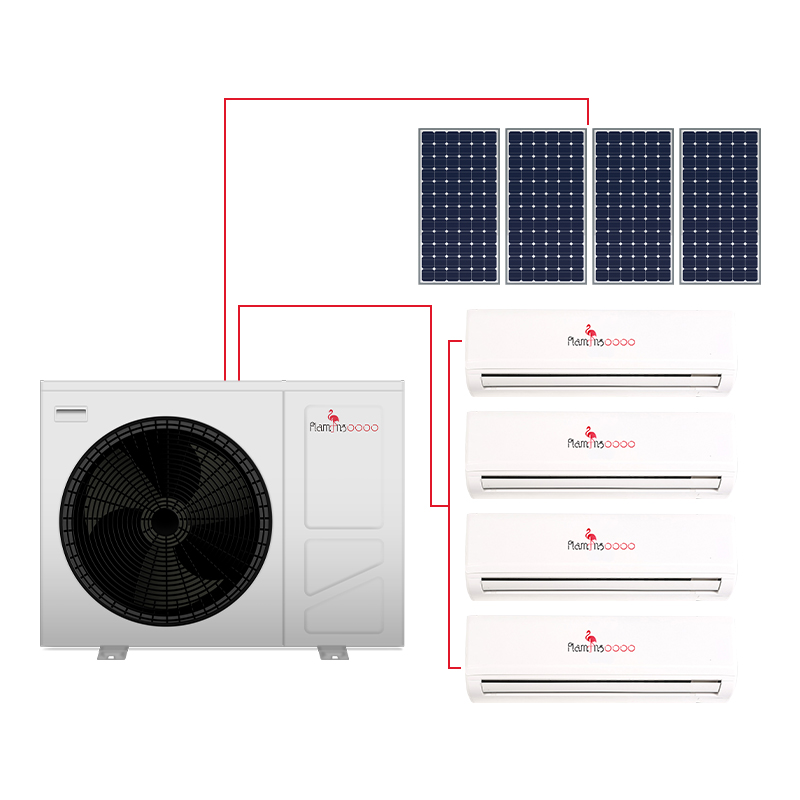
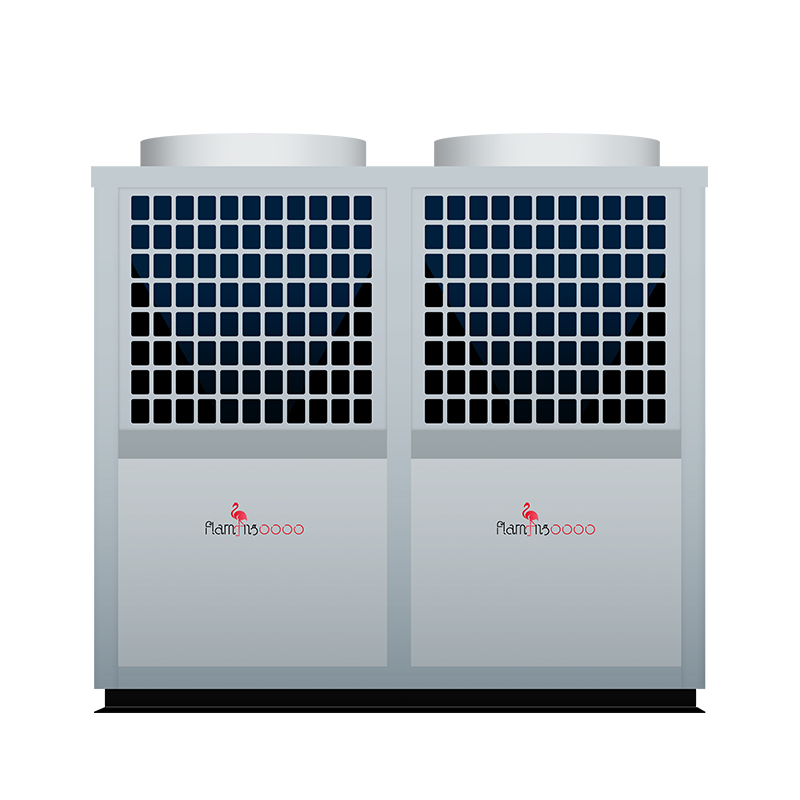
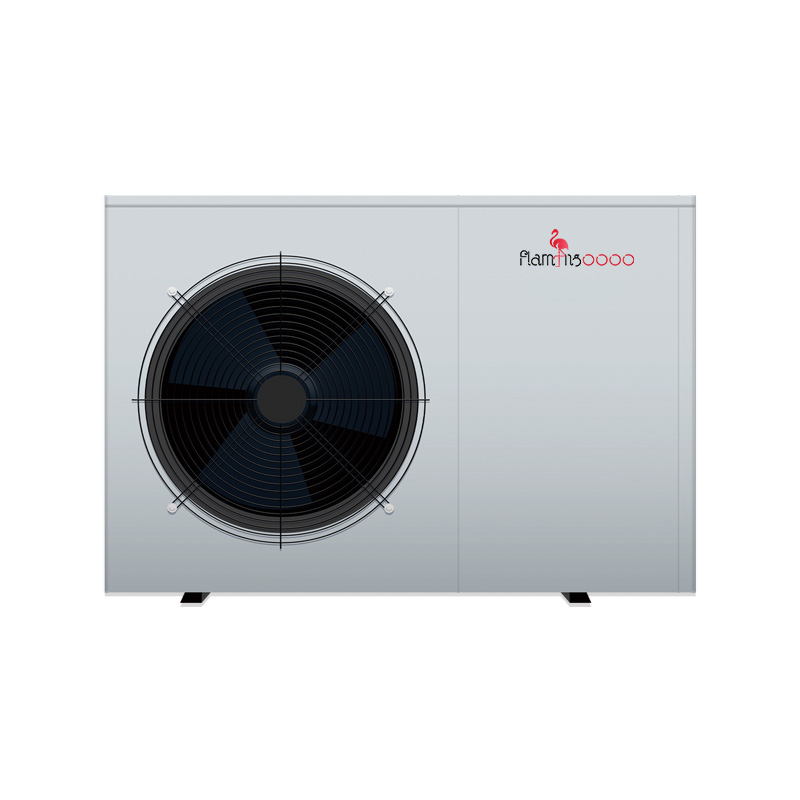
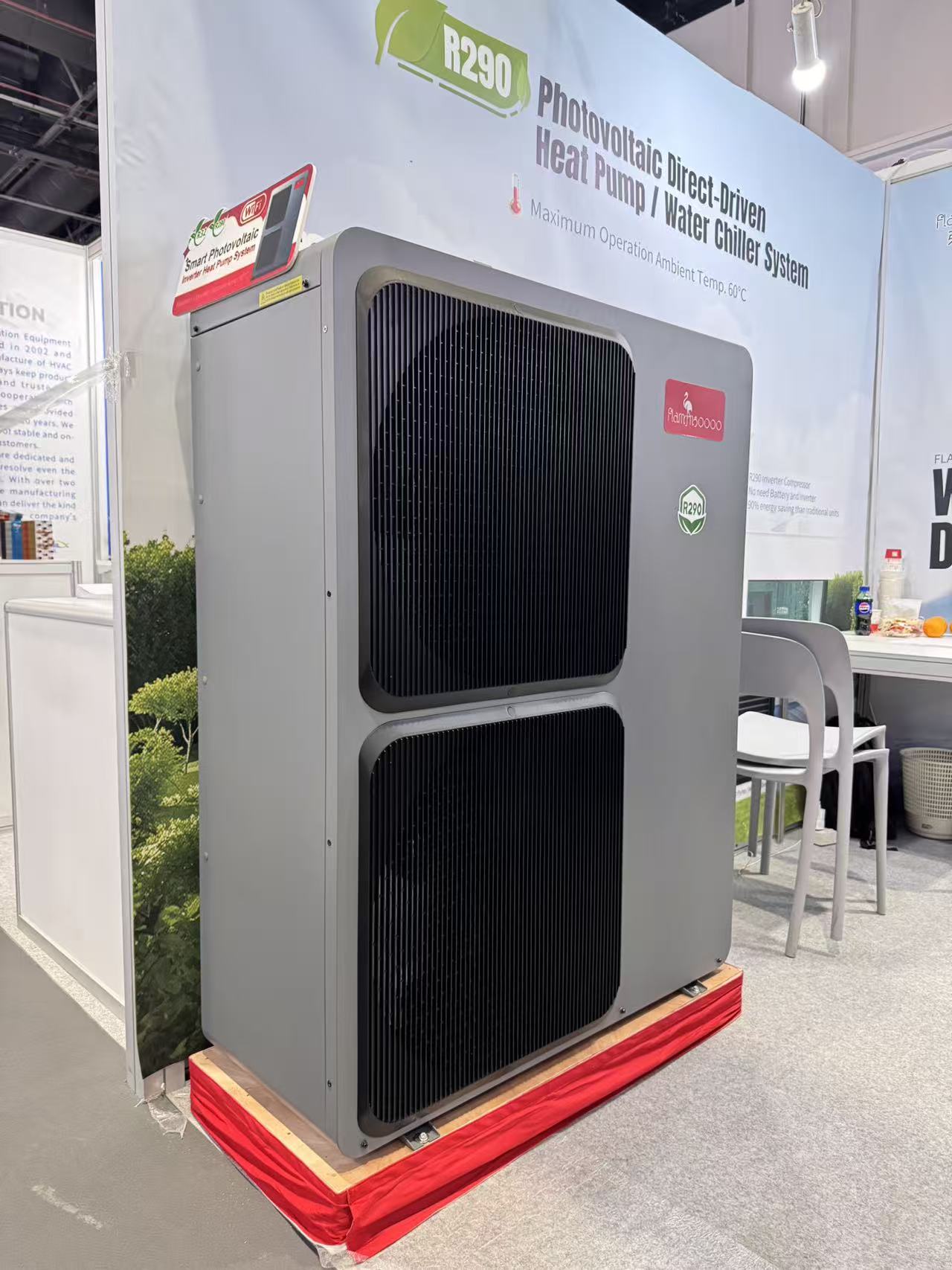
In the quest for sustainable cooling, solar chillers are sparking curiosity worldwide. But how do they actually work? A common confusion arises between "solar thermal absorption chillers" (which use solar-heated water to drive an absorption cycle) and "PV-powered electric chillers" (which harness photovoltaic panels to run a compressor-based system). The former relies on high-temperature solar collectors for heat-driven cooling, while the latter uses solar-generated electricity to power efficient vapor-compression cycles. Flamingo New Energy's R290 DC Inverter Air Source Heat Pump Water Chiller with Photovoltaic Direct Drive falls into the PV-powered category, offering a practical, battery-free solution that's revolutionizing cooling in high-heat regions like the Middle East.
Understanding the Two Main Types of Solar Chillers
Solar chillers convert sunlight into cooling power, but the mechanisms differ:
Solar Thermal Absorption Chillers: These use solar collectors to heat water or a fluid to 80-100°C, which then drives an absorption refrigeration cycle (typically with lithium bromide or ammonia). The hot fluid "absorbs" heat from the chilled water loop, creating cold output. Pros: No electricity needed for the cycle itself. Cons: Requires large collectors, works best with consistent high solar input, and efficiency (COP around 0.5-1.2) is lower. Ideal for large-scale industrial applications but less flexible for variable weather.
PV-Powered Electric Chillers: Photovoltaic panels generate DC electricity directly to power a compressor-based chiller (like vapor-compression heat pumps). The electricity runs the compressor, evaporator, and condenser to transfer heat and produce chilled water. Pros: Higher efficiency (COP 3-6+), compact, and adaptable to existing systems. Cons: Dependent on sunlight for free operation, though hybrids switch to grid power.
Many users mix them up because both are "solar," but PV-powered systems like Flamingo's are more versatile for residential and commercial use, especially in extreme heat where thermal systems might overheat.
How Flamingo's R290 Solar Direct Drive Chiller Works
Flamingo's innovative R290 chiller exemplifies PV-powered technology, eliminating batteries for a simpler, cost-effective setup. Here's the step-by-step process:
Solar Power Generation: Standard 450W/48V solar panels (e.g., 8-24 panels for 3-10HP models) convert sunlight to DC electricity. Series connections boost voltage (up to 600V max), parallel for power—covering up to 95% of the chiller's needs without storage batteries.
Direct Drive Integration: The DC power feeds straight into the unit's Panasonic EVI twin-rotary DC inverter compressor, bypassing inverters or batteries. In low-sun conditions, it seamlessly switches to grid AC power .
Cooling Cycle: R290 refrigerant (eco-friendly, low GWP=3) circulates through the patented C&S heat exchanger (counter-current design for super-cooling and efficient oil return). The compressor compresses the refrigerant, absorbing heat from water via the spiral titanium condenser. Hydrophilic aluminum fins on the evaporator enhance air exchange, achieving EER up to 3.26 in cooling mode.
Temperature Control: Variable frequency drive adjusts speed for energy savings (up to 75% vs fixed-speed). The world-famous EEV with PID control precisely manages refrigerant flow, delivering chilled water down to 10°C—perfect for air conditioning or process cooling.
High-Temp Resilience: Unlike competitors that fail above 40-50°C, this chiller operates stably up to 60°C ambient, with 200% increased cool output. It's a hit in the Middle East, where extreme heat is the norm.
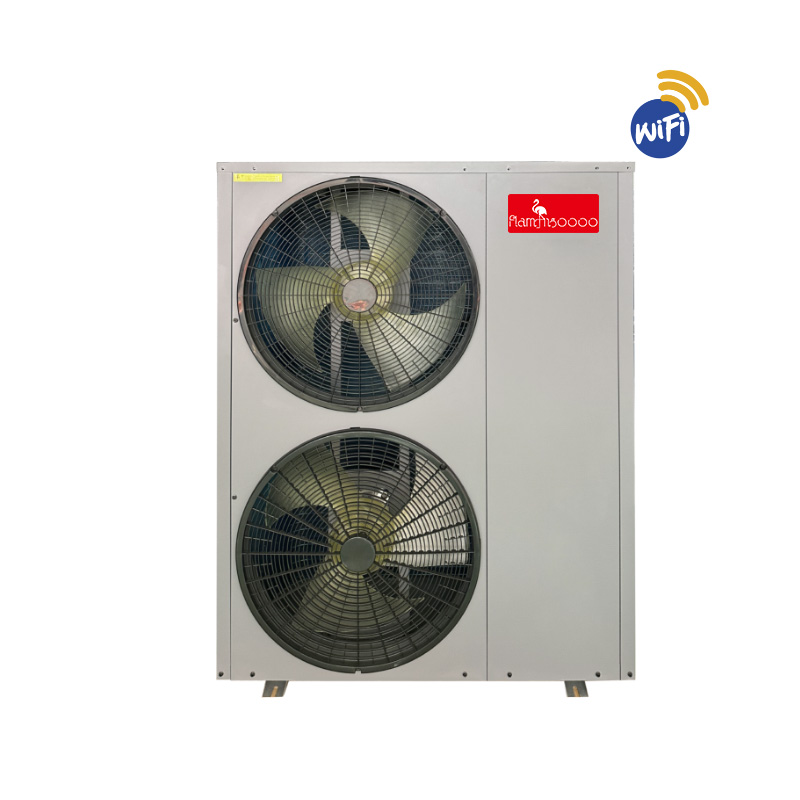
User-Friendly Features: 14-language system, WiFi/Tuya app for remote control, quiet DC motor fans (38-55 dB at 1m), and ABS plastic casing for durability. Functions include heating/cooling, with advised water flow 1.3-2.8 m³/h for various applications.
This direct-drive approach makes it plug-and-play, reducing costs by avoiding batteries while ensuring reliable cooling even in scorching deserts.