
The Hotel Energy Revolution Is Here: Why More and More Hotels Are Switching to Commercial Heat Pumps?
——An In-depth Conversation with Flamingo New Energy’s Commercial Heat Pump Division, Unpacking the Economic and Environmental Case Behind the Hospitality Industry’s Green Transformation
I. Double Pressure on the Hospitality Industry: Soaring Energy Costs Are Eating Into Profits
For any hotel, energy is a significant operating expense that cannot be ignored. Industry data show that the average daily energy cost per room in mid‑to‑high‑end hotels has risen by about 18% over the past three years, with HVAC and hot‑water supply systems accounting for more than 55% of total energy consumption.
Under traditional models, hotels typically use separate systems: gas or oil boilers for heating and domestic hot water, and chillers for cooling. This approach requires maintaining two independent systems, results in low efficiency, and generates high carbon emissions.
Even more troubling for operators, the efficiency of conventional boilers declines steadily with age. Industry research indicates that after a hotel retrofits its energy system — replacing traditional boilers with air‑source heat pumps — operating costs can be reduced by about 75%, with an overall energy‑saving rate of up to 55%.
Take the Xi’an Ancient Culture Hotel retrofit as an example. Its original energy equipment had been in continuous operation for 36 years, suffering from severe aging and high energy consumption. The retrofit plan replaced natural‑gas boilers with air‑source heat pumps, upgraded to high‑efficiency inverter chillers, and added rooftop PV panels and an intelligent control system. Calculations show that after completion, the hotel will reduce natural gas consumption by approximately 460,000 cubic meters per year, save over 800,000 kWh of electricity, and cut CO₂ emissions by about 1,000 metric tons annually.
Let’s do the math: the payback period for a commercial heat pump system is typically 2 to 5 years, while the system’s service life can exceed 15 years. This means that once the initial investment is recovered, the hotel enjoys a “pure profit period” of more than a decade. For hotel owners seeking long‑term, stable operations, that is an extremely attractive proposition.
II. Policy Tailwinds: The Dual‑Carbon Goal Presses the “Fast‑Forward” Button for Hotel Energy Transition
If market forces are the pull, policy is the push. Under the top‑level design of China’s “dual‑carbon” strategy, local governments are rolling out energy‑saving and carbon‑reduction incentive policies targeting public buildings including hotels, injecting strong policy momentum into the adoption of commercial heat pumps.
In 2025, six central government departments, including the National Development and Reform Commission (NDRC), jointly issued the Action Plan for Promoting High‑Quality Development of the Heat Pump Industry, explicitly requiring that the energy efficiency of key heat pump products be improved by more than 20% by 2030.
In 2026, the Implementation Plan for Energy‑Saving and Carbon‑Reduction Technology Projects in the Hotel Industry was officially released, mandating that all new and retrofit hotel projects submit an energy‑saving technology selection assessment report at the project initiation stage, with payback period as one of the references for project approval. The plan also requires that central air‑conditioning systems be equipped with AI load forecasting and inverter adaptive capabilities, achieving an annual comprehensive energy efficiency ratio (COP) of no less than 4.2.
At the same time, local financial subsidies have significantly lowered the cost of hotel retrofits. For example, Xi’an plans to promote various new‑energy heating modes including geothermal, air‑source heat pumps, and sewage‑source heat pumps. Shijiazhuang encourages cultural and tourism enterprises to build new‑energy projects such as ground‑source heat pumps, providing grid‑connection services. In Beijing and other regions, projects using heat pumps for heating can receive district‑level matching funds, with a maximum subsidy of RMB 1 million per project.
Globally, hotel electrification is also on the agenda. The UK’s Boiler Upgrade Scheme offers up to £7,500 for installing air‑source or ground‑source heat pumps in small and medium‑sized non‑domestic buildings. Accor Group’s sustainable development roadmap explicitly targets a 30% overall reduction in energy consumption by 2030, with decarbonization of hot‑water supply as one of its core measures.
Jiang Yi, academician of the Chinese Academy of Engineering and professor at Tsinghua University, stated clearly at China Heating 2026: “Heat pumps are the core technology for coupling renewable energy with heating systems. Large‑scale application can reduce carbon emissions in the heating sector by more than 60%, making them the central tool for China to restructure its new heating system and achieve carbon neutrality in heating.”
III. Commercial Heat Pumps Become a Hotel “Standard”: An Irreversible Industry Transformation
Market data show that this “switch‑to‑pump” wave is far from a short‑lived trend. According to the 2026 China Air‑Source Heat Pump Industry White Paper released by Shangpu Consulting Group, the Chinese air‑source heat pump market reached RMB 30–35 billion in 2025, a year‑on‑year increase of about 15%. More notably, the commercial sector is becoming the new growth engine — after rapid household adoption, future growth expectations are increasingly focusing on commercial and industrial scenarios with larger scale and more diverse demands.
In the hotel industry, the adoption of commercial heat pumps has evolved from scattered, individual retrofits to a systemic, industry‑wide transformation. In the first quarter of 2026 alone, publicly tendered hotel heat pump projects covered everything from high‑star hotels to boutique homestays:
Four Points by Sheraton Suzhou Wuzhong issued a heat‑source retrofit tender, including inverter air‑cooled scroll modular heat pump units and associated equipment.
Guiyang Guanshanhu Hotel launched a procurement and installation project for air‑source water heaters.
Qianshan Heyue Hotel replaced its original direct‑fired units entirely with air‑source heat pump units, equipped with an intelligent management system.
Beijing Jinyu Fengshan Hotel procured maintenance services for the air‑source heat pump units in its domestic hot‑water equipment room.
This shift from “sporadic procurement” to “systematic retrofitting” means that the hotel industry now regards commercial heat pumps as standard energy infrastructure, not an optional extra.
IV. Technological Leap: How Commercial Heat Pumps Meet the Complex Demands of Hotels
The commercial sector imposes far higher technical requirements on heat pumps than residential applications. Hotel buildings typically have complex functional zones, large load fluctuations, and long operating hours. This demands that commercial heat pump systems deliver higher coefficients of performance (COP), wider ambient adaptability, and stronger intelligent management capabilities.
Today, commercial heat pump technology is undergoing a major shift from “fixed‑speed” to “full DC inverter.” Inverter heat pumps can automatically adjust output power based on real‑time hotel load requirements, avoiding the energy waste caused by frequent on/off cycling of traditional fixed‑speed units. Market reports indicate that inverter models now account for 89% of compliant products, saving an average of more than 40% energy compared to fixed‑speed models. Heat pumps using fourth‑generation eco‑friendly refrigerants like R290 already account for 63% of new product launches, with average COP rising from 3.2 in 2020 to 4.5.
In terms of extreme‑cold adaptability, next‑generation commercial heat pumps have achieved breakthroughs. With advanced technologies such as Enhanced Vapor Injection (EVI), some products can maintain stable and efficient heating even at -25°C or -35°C. This breakthrough makes air‑source heat pumps a reliable solution for hotels in severe cold regions of northern China.
Simultaneously, the intelligence of hotel energy management is advancing. At the 2026 Shanghai Hotel Show, several leading energy management companies demonstrated “hotel energy brain” systems that use IoT sensors, AI algorithms, and digital twin technology to monitor and automatically optimize the operation strategies of core energy systems including central air‑conditioning, hot water, and lighting. As the core energy‑using component of the entire system, the inverter control capability and data interface openness of commercial heat pumps directly determine whether the “energy brain” can truly function.
V. Flamingo Commercial Heat Pumps: Tailor‑Made Energy Solutions for Hotels
In this global hotel energy revolution, Flamingo New Energy Technology is becoming the preferred choice for more and more hotel owners, thanks to its comprehensive product portfolio and leading technical advantages. As an ISO 9001‑certified industry innovator, Flamingo holds 12 patents in the renewable energy heating field, operates in more than 20 countries, and offers a full product line covering everything from small and medium‑sized boutique hotels to large five‑star resorts.
5.1 Central Hot Water Heat Pump Series — Ideal for Hotel Hot‑Water Systems
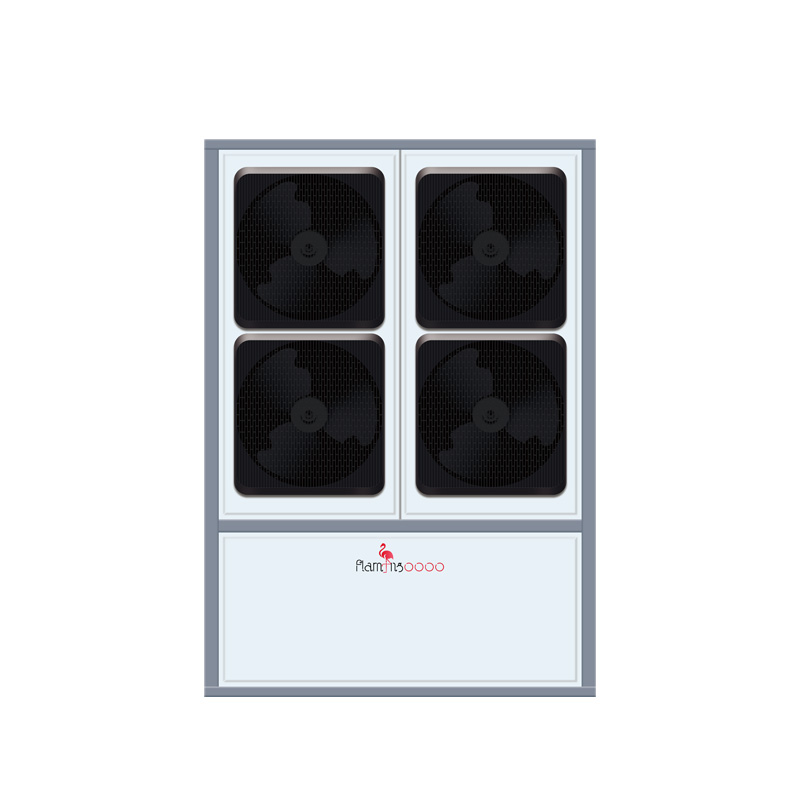
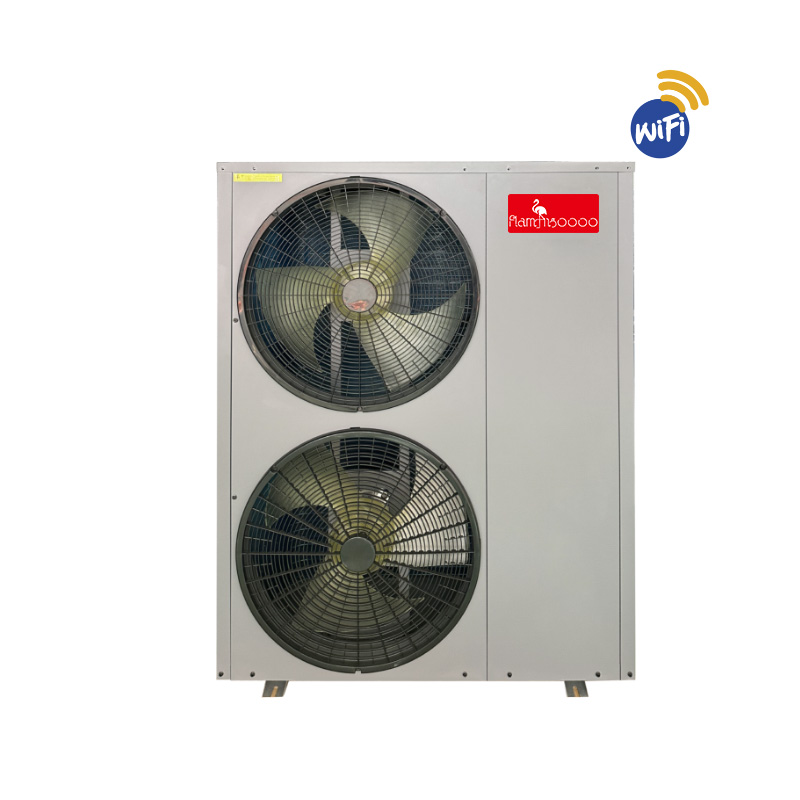
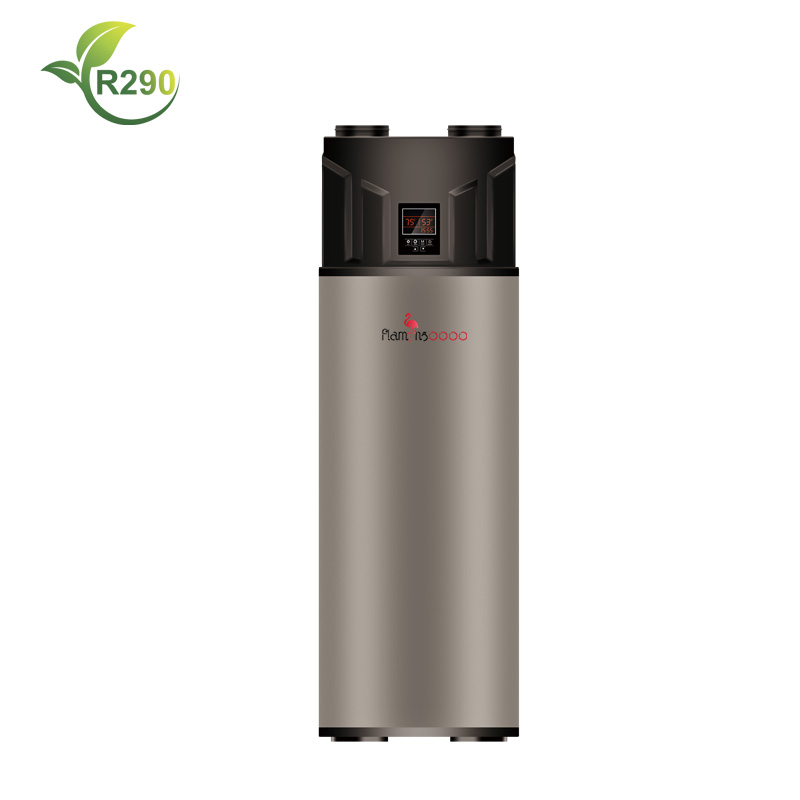
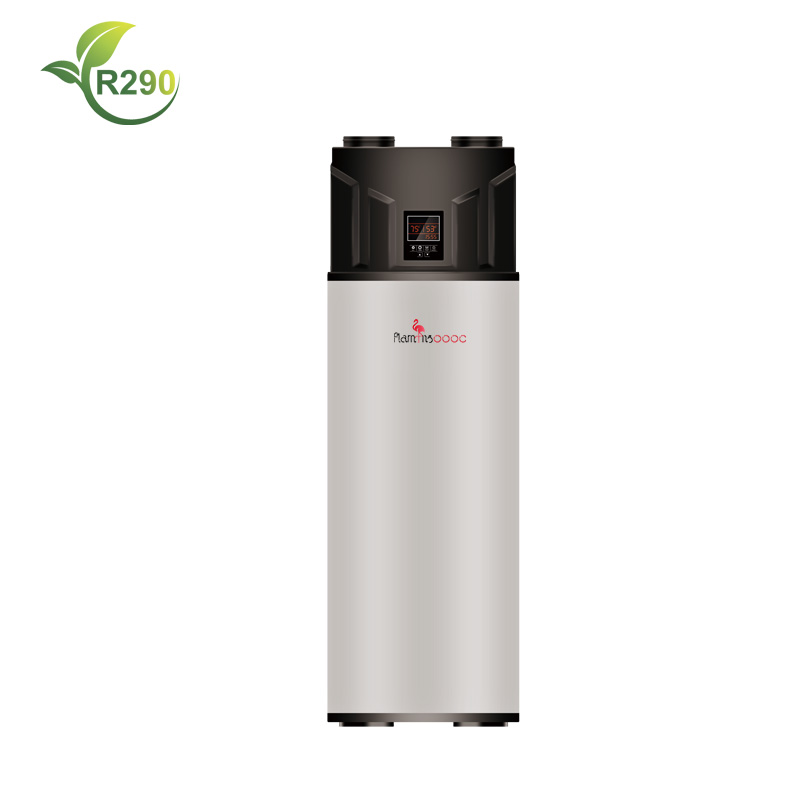
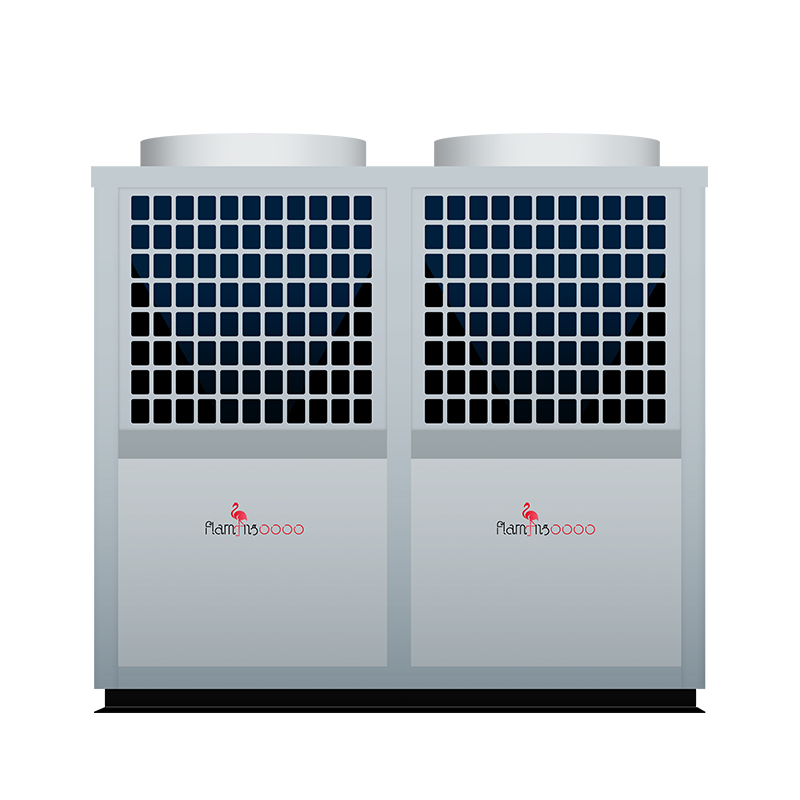
Hotels are classic “heavy hot‑water users.” The Flamingo Central Hot Water Heat Pump series is designed specifically for high‑demand hot‑water applications, with heating capacity ranging from 11kW to 230kW, flexibly combinable to meet the needs of different hotel sizes. It uses internationally renowned compressors from Panasonic, Copeland or Danfoss, combined with PID‑controlled electronic expansion valves and high‑efficiency heat exchangers, ensuring stable operation over a wide ambient temperature range of -25°C to 43°C.
5.2 DC Inverter Commercial Heat Pump — The Vanguard of Energy Saving
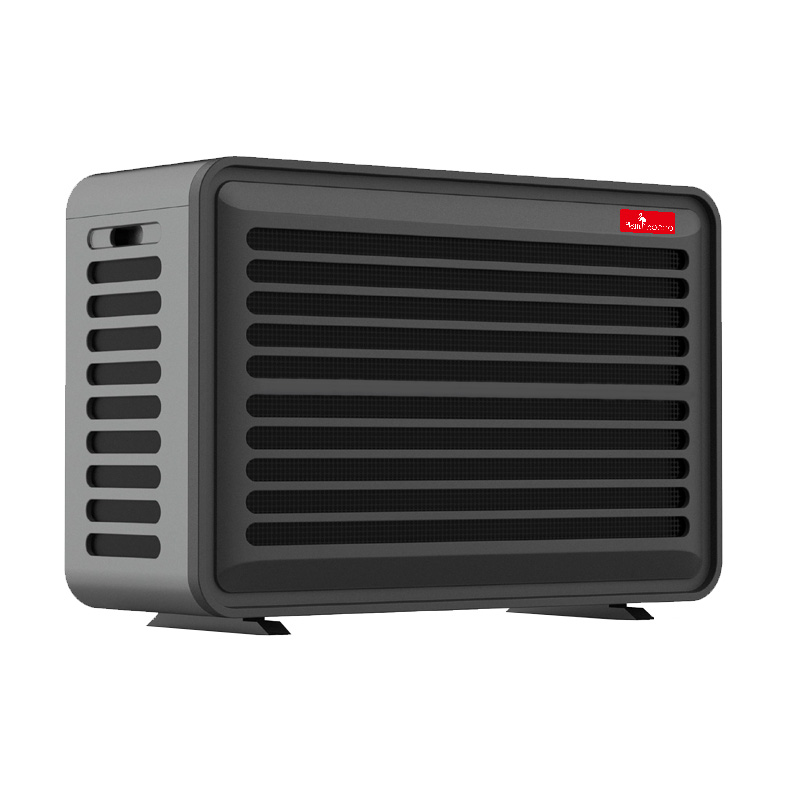
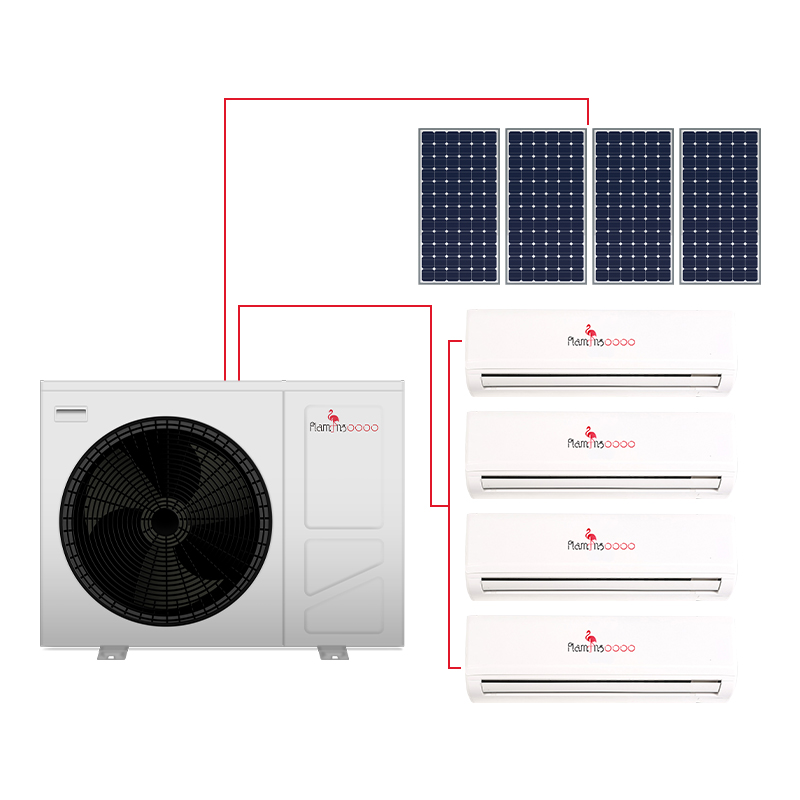
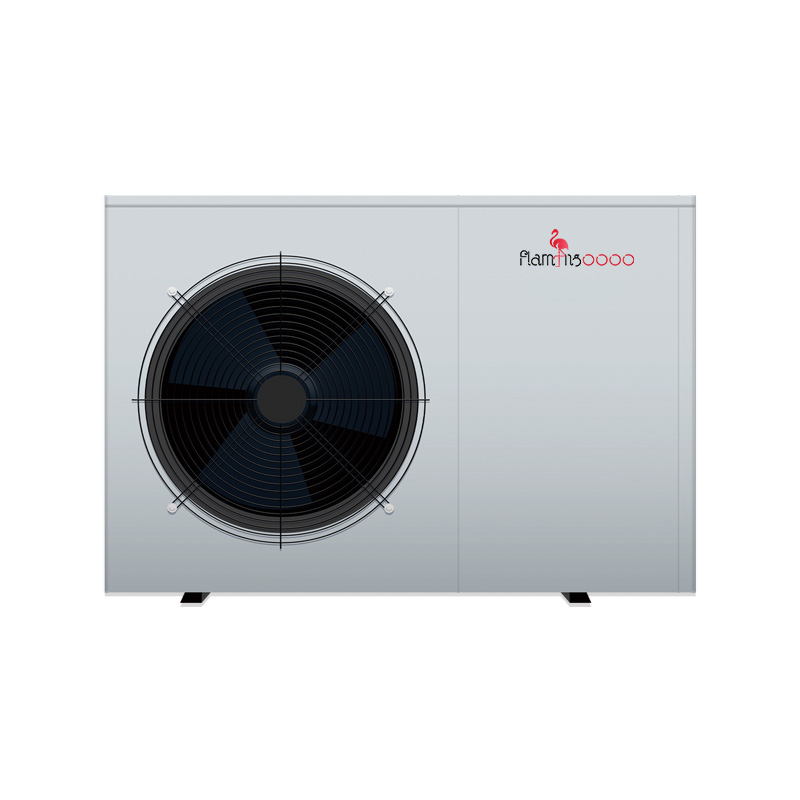
The new‑generation Flamingo DC Inverter commercial heat pump employs full DC inverter technology, with heating capacity from 10kW to 240kW, precisely adjusting output power according to the hotel’s actual load. Compared to traditional fixed‑speed models, it achieves a COP of up to 4.84, saves more than 75% energy, and operates at a noise level as low as 53 dB(A). When paired with PV‑direct‑drive technology, grid dependency can be reduced by 95% during peak sunshine hours.
Taking a typical 200‑room four‑star hotel as an example, replacing traditional gas boilers with Flamingo commercial heat pumps saves about 292 metric tons of standard coal and reduces CO₂ emissions by nearly 760 metric tons during the winter heating season alone, while also cutting SO₂ by 1.87 metric tons and NOx by 2.22 metric tons.
5.3 PV‑Direct Drive Solar Heat Pump — Ushering in the “Zero Electricity Bill” Era
Flamingo’s industry‑first PV‑Direct Drive solar heat pump series represents the future of hotel energy solutions. The system directly couples solar PV panels with DC inverter heat pumps, reducing grid dependency by 70%–95% during sunny periods and significantly cutting electricity bills. Whether for economy chain hotels or high‑end resorts committed to carbon neutrality, this system offers a practical and viable green energy solution.
5.4 R744 (CO₂) Fluorine‑Free Heat Pump — A Pioneer of Zero‑Carbon Technology
In environmental technology, Flamingo leads the industry. Its self‑developed CO₂ heat pump uses natural refrigerant R744 (CO₂) with ODP = 0 and GWP = 1, completely eliminating the environmental impact of HFCs. The product operates stably in extreme ambient temperatures from -40°C to 70°C, delivers outlet water temperatures up to 90°C or higher (or steam), and meets all hotel hot‑water and heating requirements without electric auxiliary heating. When operating together with a PV system, AI‑driven optimization can further improve efficiency by more than 30%.
5.5 Swimming Pool Heat Pump Series — An Efficiency Solution That Enhances Hotel Value
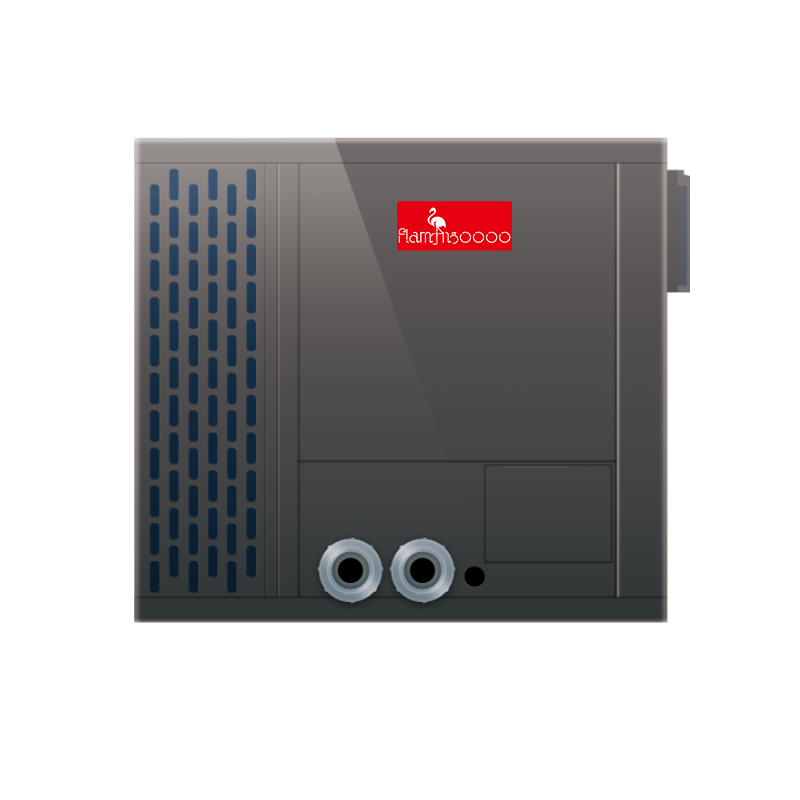
For high‑end hotels with pools, pool water heating is often a major energy “black hole.” The Flamingo Swimming Pool Heat Pump series uses high‑COP design and anti‑corrosion construction, combined with advanced inverter and EVI technology, to drastically reduce operating energy consumption and ensure durable, reliable performance in commercial scenarios.
5.6 EVI DC Inverter Heating & Cooling Heat Pump — All‑Season Comfort Guaranteed
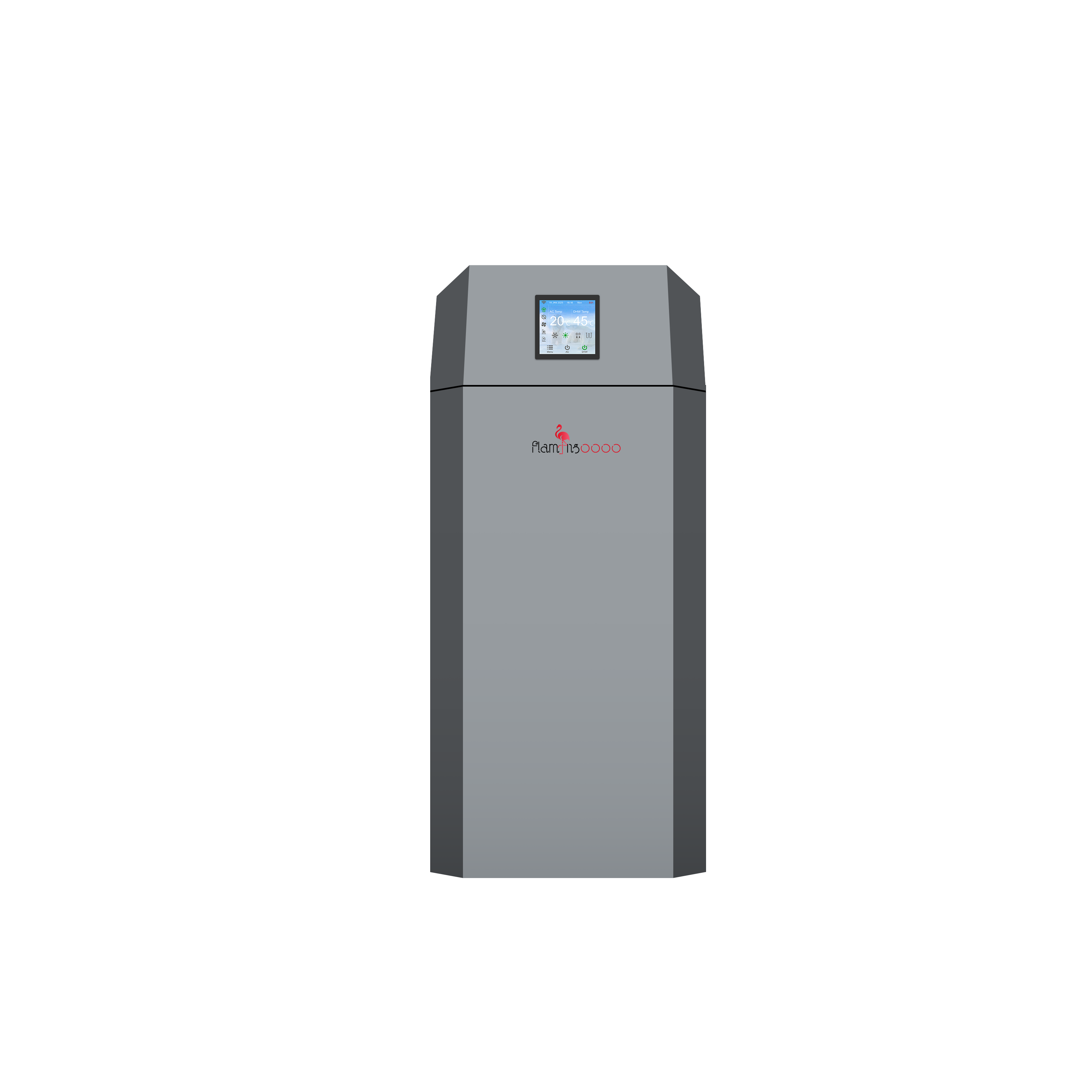
The Flamingo EVI DC Inverter Heating & Cooling Heat Pump series operates stably over a wide temperature range from -25°C to 43°C, integrating heating, cooling and hot‑water supply. It incorporates multiple safety mechanisms including water flow switches, freeze protection, high‑ and low‑pressure protection, and overload protection. The modular design enables seamless integration with Building Management Systems (BMS), allowing real‑time collection, analysis and optimization control of energy consumption data.
VI. Real‑World Cases: Global Practice of Flamingo Commercial Heat Pumps
Flamingo commercial heat pump systems have been successfully applied in numerous hotel and commercial building projects worldwide. After a commercial building in Tianjin installed a Flamingo heat pump system, the winter supply air temperature reached 45°C and the summer chilled water outlet temperature dropped to 7°C, fully meeting the building’s year‑round heating and cooling needs. With intelligent centralized control, the system monitors operating data in real time and dynamically adjusts, always maintaining optimal performance. The project manager commented: “This system has not only significantly improved comfort but also greatly reduced energy costs.”
In the shallow geothermal project at Hebei Dagang Oilfield, Flamingo heat pump technology reduced CO₂ emissions by 15,000 metric tons in a single heating season, fully demonstrating the powerful emission‑reduction capability of large‑scale commercial heat pump systems. Numerous hotels and commercial customers in the European market have also adopted Flamingo heat pumps, receiving high praise for their stable and efficient operation even in extremely cold environments.
VII. Quantifying the Return on Investment: The Real Economics of Commercial Heat Pumps
Let’s calculate based on a medium‑sized four‑star hotel:
Traditional gas boiler solution: Annual natural gas consumption ≈ 800,000 m³, gas cost ≈ RMB 2.40 million; auxiliary electricity ≈ 300,000 kWh, electricity cost ≈ RMB 240,000. Total annual energy expenditure ≈ RMB 2.64 million, CO₂ emissions ≈ 1,500 metric tons.
Flamingo commercial heat pump solution: After replacement, annual heat pump electricity consumption ≈ 2.5 million kWh, electricity cost ≈ RMB 2.00 million (can be further reduced using time‑of‑use tariffs and PV direct drive). Total annual energy expenditure ≈ RMB 2.00 million, CO₂ emissions reduced by ≈ 1,000 metric tons.
Annual saving: RMB 640,000 in energy costs.
Payback period: Assuming a total retrofit investment of approximately RMB 1.50 million, payback period ≈ 2.3 years. Thereafter, a “pure profit period” of 10–12 years yields cumulative operating cost savings of RMB 6.4–7.7 million.
In addition, after the retrofit, the hotel can apply for local government energy‑saving subsidies and green finance support. In some cities, subsidies can reach 15%–30% of the project investment, further shortening the payback period.
VIII. Global Footprint: Flamingo’s Mission and Outlook
Flamingo is not only committed to providing excellent products to hotel customers, but also regards promoting the global green energy transition as its mission. At the 2025 China Heat Pump Exhibition in Shijiazhuang, Flamingo’s four innovative PV‑direct‑drive heat pump products attracted strong attention from government delegations, EU energy advisors, and HVAC distributors from Southeast Asia. During the exhibition, Flamingo signed 23 distribution agreements with distributors from 15 countries, reached strategic cooperation on 7 customized solutions with engineering companies, and accumulated over 4,000 potential customer leads.
Looking ahead, Flamingo will continue to increase R&D investment and drive the development of AI‑integrated heat pump systems. In the future, AI heat pumps will automatically optimize operation strategies based on weather forecasts, occupancy predictions and real‑time electricity price signals, further improving energy efficiency and economic benefits.
Flamingo’s CTO stated: “By replacing traditional fluorinated refrigerants with our self‑developed CO₂ technology, we are pushing the boundaries of sustainable HVAC. Future products will further expand the operating range to -50°C, providing reliable green solutions for hotel customers in polar and high‑altitude severe cold regions.”
IX. Conclusion: Heat Pumps Have Become a New Dimension of Competitive Value in Hotels
In today’s increasingly competitive hotel industry, traditional differentiators such as room count, decoration grade, and service quality are no longer sufficient to create significant advantage. Energy management capability is becoming the key variable that determines a hotel’s long‑term profitability.
Hotels that adopt high‑efficiency commercial heat pump systems not only maintain guest comfort at a lower cost, but also gain significant advantages in soft dimensions such as carbon emissions, ESG ratings and green certifications, which can translate into higher room rates and stronger brand premium. The 2026 Implementation Plan for Energy‑Saving and Carbon‑Reduction Technology Projects in the Hotel Industry explicitly requires the adoption of grade‑1 energy‑efficiency heat pumps or gas condensing equipment, along with zone metering and timed circulation pump control. Hotels that fail to meet the standards will face increasing compliance pressure and rising operating costs.
This is an irreversible industry transformation. While traditional boilers continue to consume expensive gas and electricity, hotels that have already upgraded to commercial heat pumps are enjoying the cost advantages of technological dividends. Flamingo New Energy Technology is ready to work with hoteliers worldwide to move together toward a greener, more efficient and sustainable energy future.
