
FOSHAN, China – July 23, 2026 – For operators of hotels, hospitals, schools, factories, and other commercial facilities, a seemingly simple question carries critical weight: after the heat pump heats the water to the set temperature, how long does the water stay hot? After a night of downtime, is there still hot water available the next morning?
This question is not only asked by end-users — it is also one of the core indicators for evaluating the quality of a commercial heat pump hot water system. Heating capacity determines whether the system "can produce hot water," while heat retention capacity determines whether the system "can keep hot water" — both are indispensable.
Heat Retention: The Overlooked "Hard Metric"
The workflow of a commercial heat pump hot water system can be summarized as follows: the unit heats water to the set temperature (typically 55°C–60°C) and stores it in an insulated storage tank. Thereafter, the hot water in the tank, while in a static state, continuously dissipates heat to the surrounding environment through the tank walls, pipe connections, and other pathways, causing the water temperature to gradually decline.
So, what does the industry standard look like? According to relevant technical requirements, under ambient temperatures of 15°C–20°C and an initial tank water temperature of 55°C–60°C, the temperature drop over 24 hours should not exceed 4°C. Some tender documents further specify that under standard conditions, hot water at 55°C placed in a tank for 24 hours should see a temperature drop controlled within 5°C. High-quality tanks featuring polyurethane integral foaming technology with insulation layer density above 35kg/m³ and thickness reaching 50mm can achieve a temperature drop of approximately only 6.2°C after 24 hours of shutdown at 15°C room temperature.
Every 1°C improvement in heat retention means less energy loss, lower operating costs, and more stable hot water supply. For a hotel or hospital that requires dozens of tons of hot water daily, this 1°C difference can translate into tens of thousands of dollars in annual cost savings.
The Core of Heat Retention: A "Full-Chain" Defense from Tank to Piping
Heat loss in a heat pump hot water system primarily occurs in three areas:
First, the tank insulation layer. The tank is the "storage warehouse" for hot water and the primary pathway for heat loss. The material, density, and thickness of the insulation layer directly determine heat retention capability. Polyurethane rigid foam is widely recognized as one of the best insulation materials available, offering low thermal conductivity, high strength, and corrosion resistance. High-quality commercial tanks generally employ polyurethane integral foaming technology, with insulation layer thickness of 50mm or more and density of 35kg/m³ or above. Additionally, the tank structure, access points, and other areas require anti-thermal-bridge design, and overflow ports should be equipped with anti-convection devices to effectively prevent convective heat exchange between the air at the top of the tank and the outside air.
Second, pipe insulation. Over 60% of heat loss comes from exposed or poorly insulated supply and return pipes. Industry standards explicitly require that the main hot water pipe length for non-instantaneous air-source heat pump water heaters should not exceed 15 meters, and branch pipe one-way length should not exceed 8 meters. If pipes are excessively long without insulation measures, residual hot water in the pipes may drop below 30°C within 1.5 hours after shutdown.
Third, return system control. If the temperature-controlled return system of some units is not equipped with a shutdown interlock function, the return pump may continue to run after the unit is shut down, repeatedly drawing hot water from the upper layer of the tank into low-temperature pipes, causing ineffective heat migration and resulting in an additional 3°C–5°C drop in the average tank water temperature.
Flamingo: Protecting Every Degree of Heat with Full-Chain Insulation Technology
As a technology-driven enterprise specializing in inverter heat pumps and photovoltaic-driven heat pumps, Flamingo deeply understands the industry truth that "heating is capability, heat retention is wisdom." Flamingo's commercial heat pump product portfolio builds a complete "full-chain insulation" solution — from tank insulation and system design to intelligent control.
Tank Insulation: High-Standard Materials and Processes. The stainless steel insulated storage tanks that accompany Flamingo commercial heat pumps feature high-quality polyurethane integral foaming technology, with insulation layer thickness and density reaching industry-leading levels. The tank structure employs high-frequency resistance welding technology to ensure tank integrity, effectively preventing external rainwater and internal water vapor from damaging the insulation layer. Both the top and bottom of the tank feature anti-thermal-bridge designs, and overflow ports are equipped with anti-convection devices to minimize heat loss to the greatest extent possible.
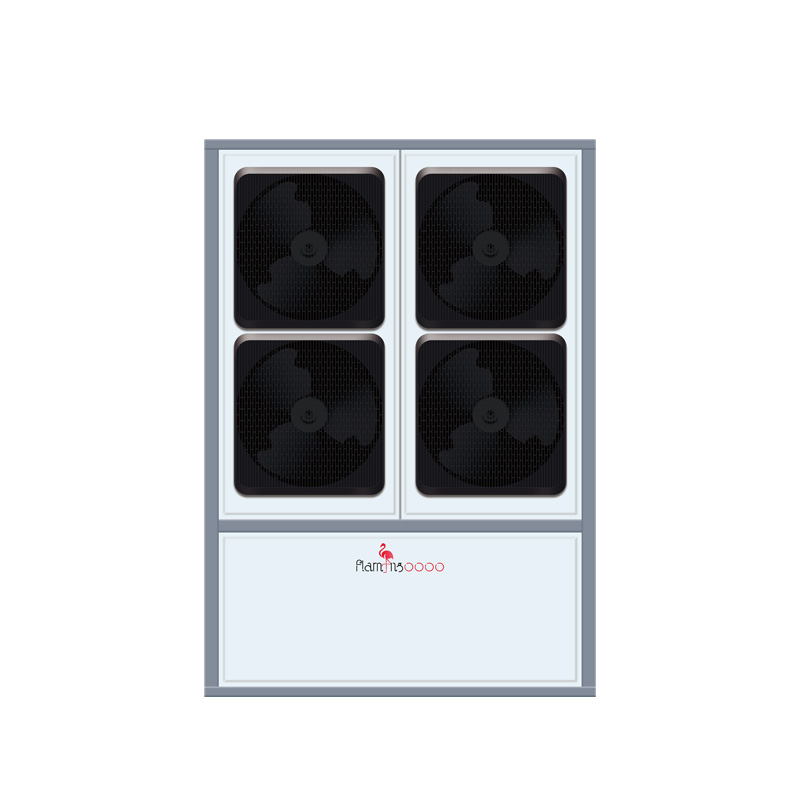
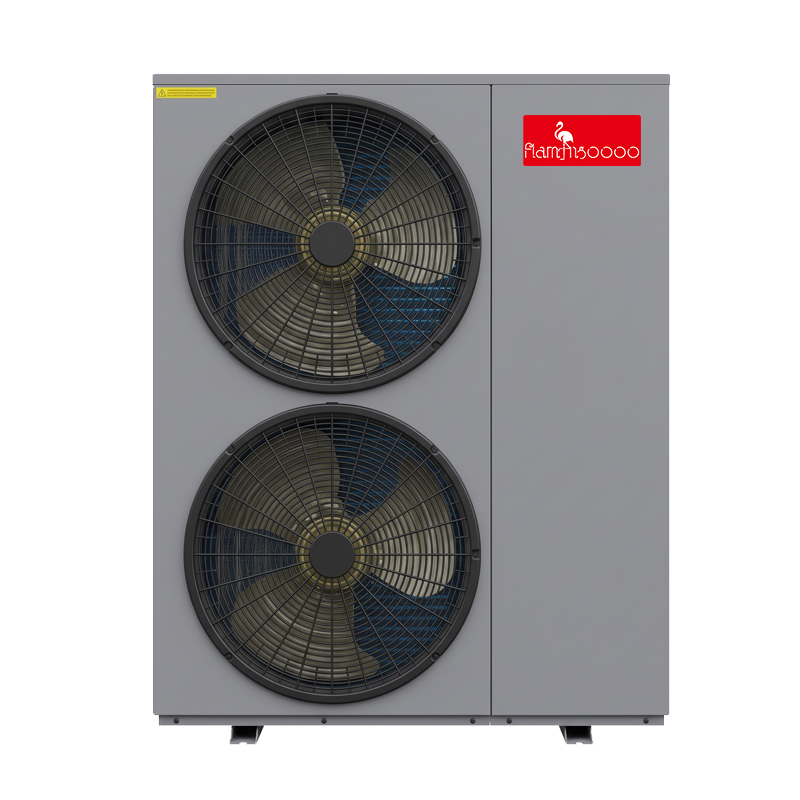
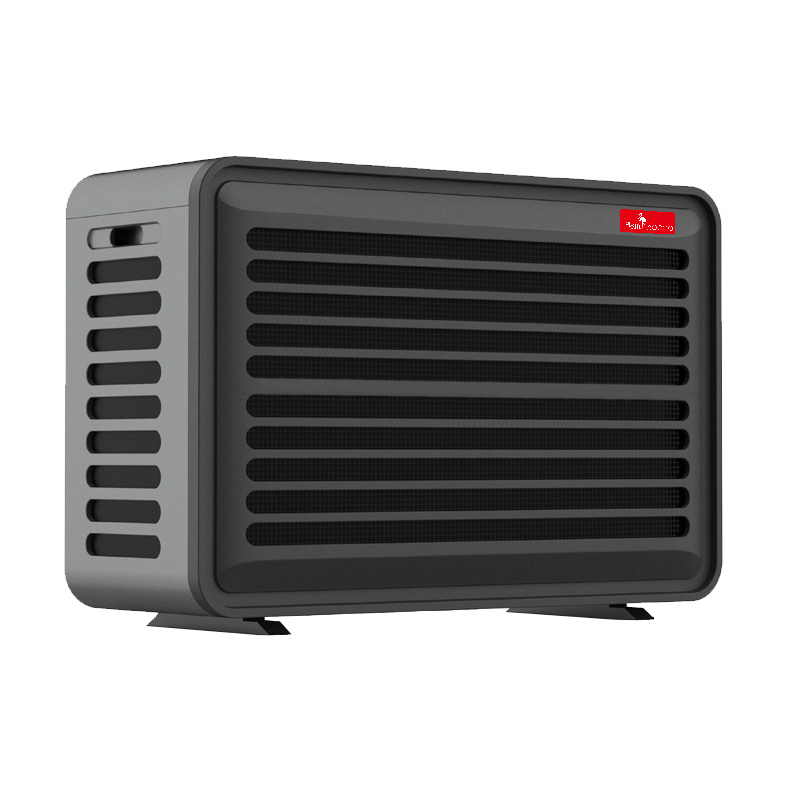
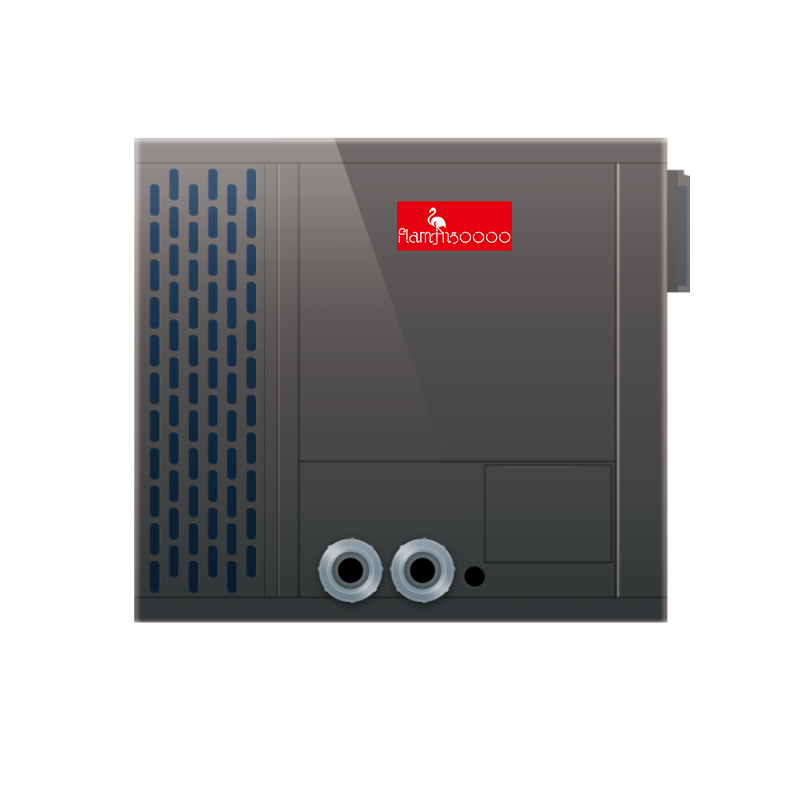
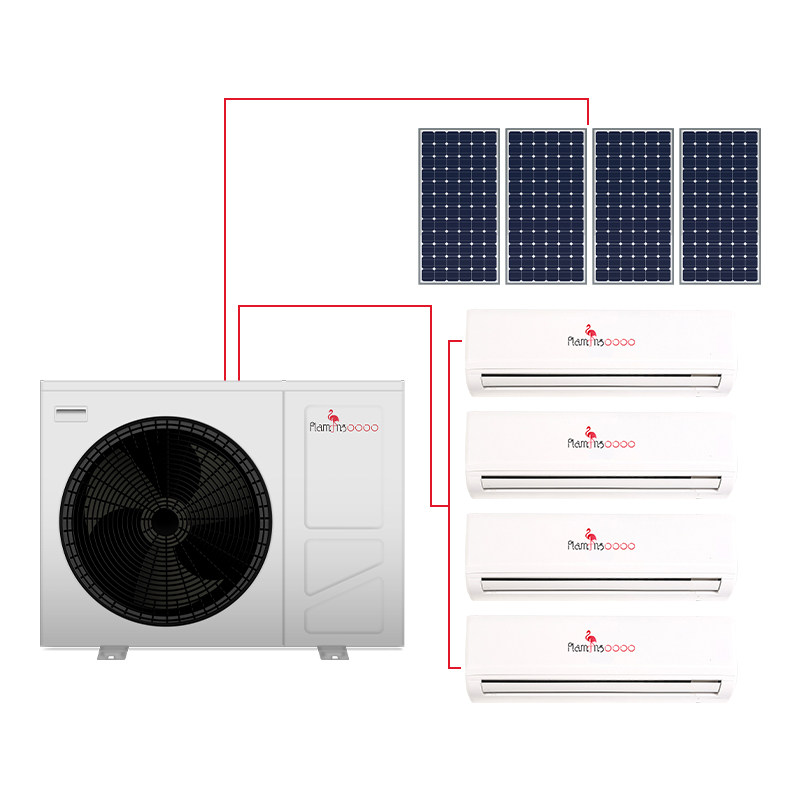
System Design: Reducing Heat Loss at the Source. Flamingo commercial heat pumps feature an integrated Monoblock design, with an operating temperature range covering -10°C to 43°C and a maximum water outlet temperature of 60°C. The heating capacity ranges from 11kW to 230kW, flexibly accommodating different hot water needs from small commercial establishments to large industrial facilities. The system is equipped with well-known brand compressors (such as Panasonic, Danfoss, etc.) to ensure stable operation.
More notably, Flamingo commercial heat pumps are equipped with DC inverter technology, which intelligently adjusts operating power based on actual load demand. This means that after completing the heating cycle, the system can automatically enter a low-power standby state, reducing unnecessary heat disturbances and energy consumption — creating favorable conditions for heat retention from an operational logic perspective.
Intelligent Control: Eliminating "Ineffective Heat Cycling." Flamingo commercial heat pumps are equipped with advanced remote monitoring systems that support distributed integrated control. The system performs real-time monitoring and intelligent scheduling of multiple parameters including return water temperature, tank water level, and ambient temperature, preventing heat loss caused by return system misoperation — a "hidden killer" of poor heat retention performance in many traditional systems.
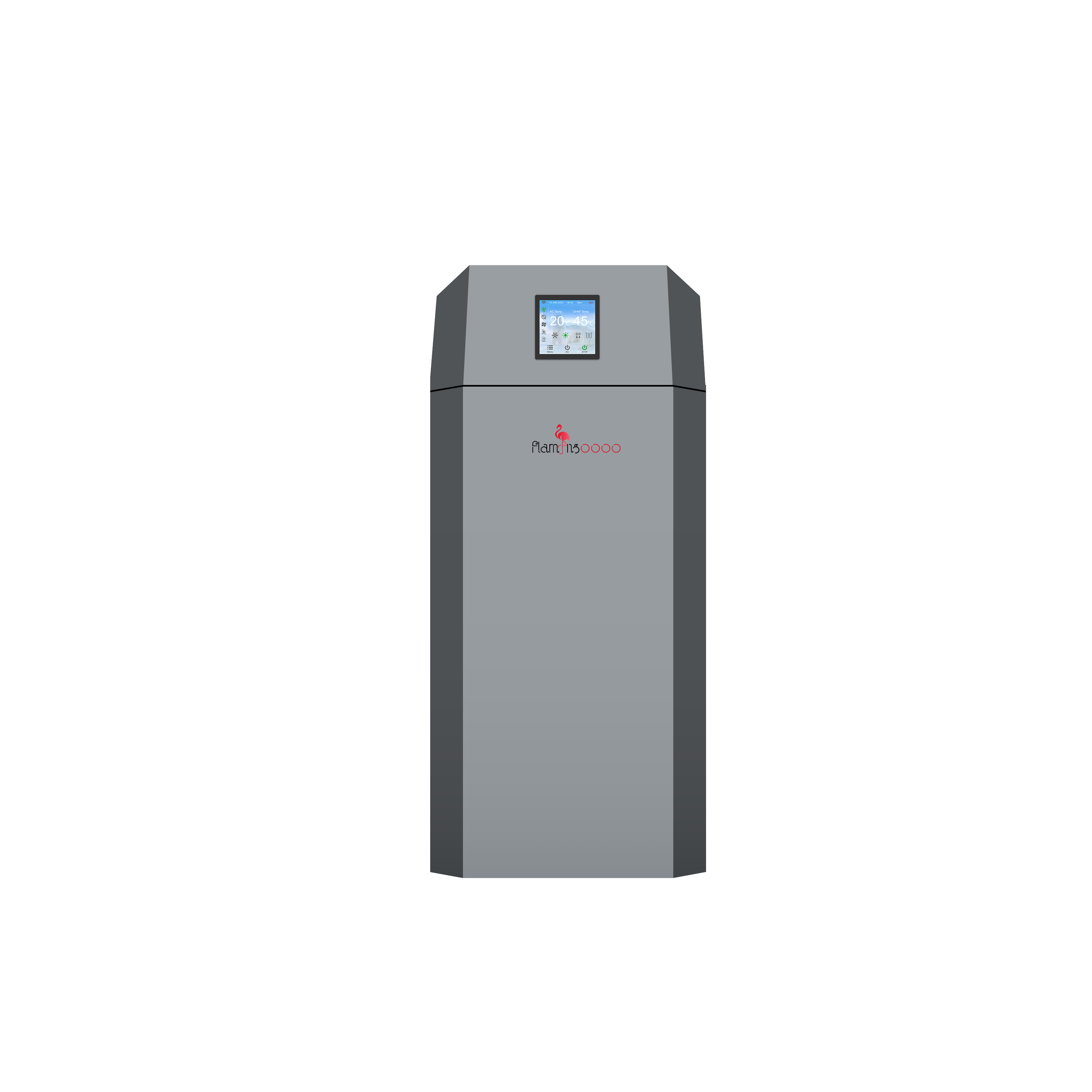
Full-Chain Heat Retention: A Complete Closed Loop from Heating to Usage. Flamingo's tri-generation (heating + cooling + hot water) heat pump system integrates heating, cooling, and hot water supply into one unit. The system features an independent return water system design and large-temperature-difference operation mode, ensuring stable temperature during hot water delivery. For customers pursuing the ultimate in heat retention performance, Flamingo also offers a CO₂ ultra-low temperature heat pump that operates stably at -40°C and delivers instantaneous high-temperature hot water up to 90°C.
The Business Value of Heat Retention: More Than Just "Saving Electricity"
For commercial users, the heat retention performance of a heat pump system directly relates to three core metrics:
Operating Costs. Every step up in heat retention performance means the unit needs to initiate reheating less frequently and for shorter durations each time. In a hotel project with annual hot water usage in the thousands of tons, this can translate into tens of thousands of dollars in annual electricity savings.
User Experience. Hotel guests don't care what technology the heat pump uses — but they do care whether the water is hot enough when they shower at 6 AM. Superior heat retention ensures that "all-weather" is not just a marketing slogan, but a service commitment that can be delivered.
Equipment Lifespan. Frequent start-stop reheating accelerates wear on core components such as compressors. Systems with excellent heat retention have lower unit start-stop frequency, longer equipment service life, and lower maintenance costs.
As industry experts have noted: "If a water heater does not have good heat retention, it is not a true water heater in the real sense."
Conclusion
"How long does the water stay hot after a heat pump heats it?" The answer to this question is becoming a key benchmark for distinguishing between the "basic capability" and "true mastery" of commercial heat pump brands. When virtually all mainstream brands can stably produce heat in low-temperature environments, heat retention capability is emerging as the new competitive frontier.
Flamingo delivers its answer through high-standard tank insulation processes, full-chain system design, and intelligent operational control: Hot water is not just "produced" — it is "preserved."
In the industry's progression from "functional" to "exceptional" in commercial heat pumps, heat retention — this once-overlooked "second-half" competition — is becoming a critical variable in determining brand excellence. And Flamingo is already at the forefront of this competition.
